
Navigating Maca Supplement Quality: What Third-Party Testing Offers
What third party testing does and does not confirm about a maca supplement, and how to read a certificate of analysis before buying.
What third party testing does and does not confirm about a maca supplement, and how to read a certificate of analysis before buying.
Most studied maca is Peruvian and grown at altitude. Whether origin genuinely affects potency, and what to actually look for on a label.
How maca root was used traditionally in the Andes, and how those uses compare with the way women in midlife take it as a supplement today.

Red, black, and yellow maca are often marketed for different purposes. Here is what the research supports about each for perimenopause.
Most maca research focuses on perimenopause. Here is what it may offer after menopause, and where the postmenopausal evidence runs out.
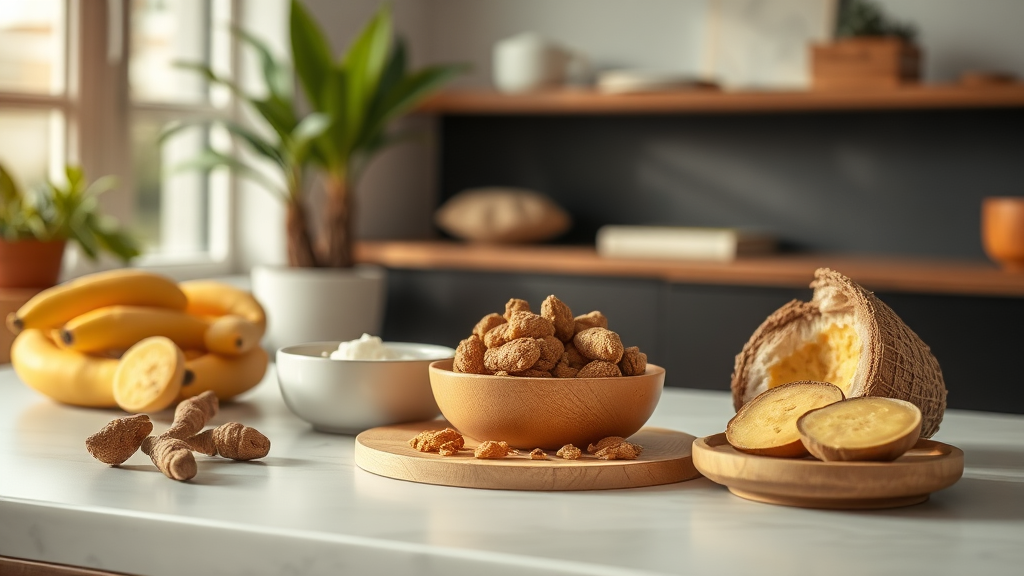
Maca is a root vegetable, so it can be eaten as food. Which forms and dishes provide it, and how dietary amounts compare with supplements.
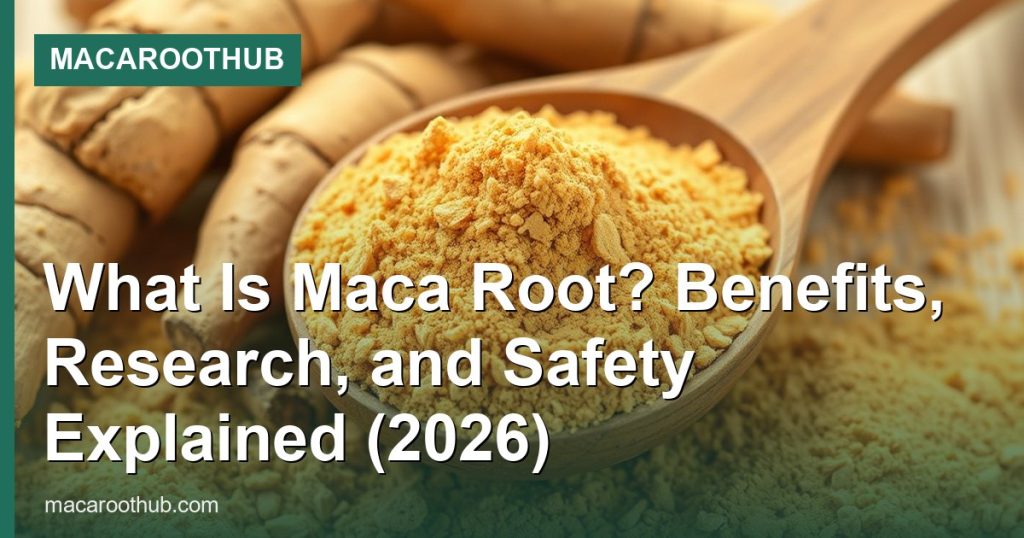
What maca root is, where it grows, and what human research says about its benefits, dosage, and safety for everyday supplement users.
How the body absorbs maca root, why gelatinized forms are often easier to tolerate, and practical ways to improve how well it is absorbed.
How maca root moved from a staple Andean food crop to a modern supplement, and what that long history does and does not tell us today.
How to judge a maca root supplement on sourcing, gelatinization, third party testing, and label accuracy before you spend money on one.