Long before maca root appeared on supplement shelves, it was a staple food crop cultivated at extreme altitude in the Peruvian Andes. Understanding its traditional role helps explain why modern researchers became interested in studying it scientifically.
Andean Cultivation and Traditional Use
Maca has been cultivated in the high-altitude Junin plateau region of Peru, at elevations above 4,000 meters[2], for thousands of years. Few crops can survive the harsh climate, thin soil, and intense UV exposure of that environment, which made maca an important food staple for indigenous Andean communities long before it had any commercial supplement use.
Traditionally, the root was consumed cooked, dried, or fermented into a beverage, and was valued primarily as a nutrient-dense food source in a region where agricultural options were limited. Traditional accounts describe its use to support stamina and general vitality, though these historical uses were not scientifically documented in the way modern clinical trials are conducted.
Introduction to Western Science
Maca remained largely unknown outside the Andean region until the 20th century, when botanists and agricultural researchers began cataloging it as part of broader interest in Andean crop diversity. Scientific interest accelerated in the 1990s and 2000s as researchers began isolating and characterizing maca’s unique compound classes, particularly the macamides and macaenes not found in other common food plants[3].
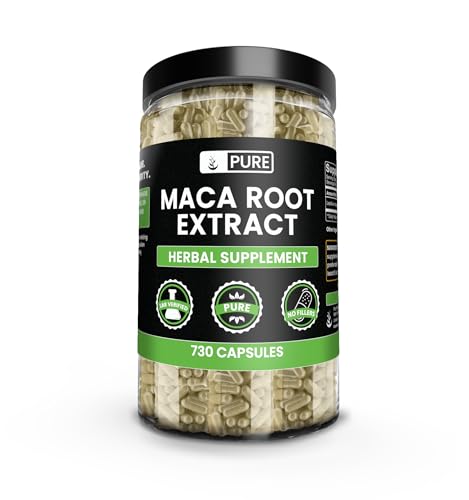
This period marked the shift from maca as a regional food staple to maca as a subject of pharmacological research[1], driven partly by growing global interest in adaptogenic and functional foods.
From Food Crop to Global Supplement Market
As clinical interest grew, so did commercial cultivation and export, with Peru remaining the primary global source of maca root. This transition created new questions around sourcing, authenticity, and quality control that consumers did not have to consider when maca was a regionally consumed food crop.
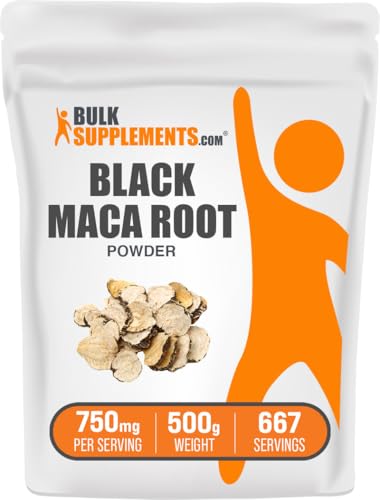
Today’s supplement market includes raw powder, gelatinized powder, capsules, and extracts, a level of product variation that did not exist during maca’s traditional use and that consumers now need to navigate when choosing a product.

How Maca Entered the Research Literature
The characterisation work that followed was chemical before it was clinical. Two imidazole alkaloids, named lepidiline A and lepidiline B, were isolated from a maca root extract and structurally identified in 2003 by spectroscopic methods, with single-crystal X-ray diffraction performed on the first of the two to confirm it.[4]
Analytical work on the macamides followed, identifying the main macamides by HPLC-UV-MS/MS and quantifying them across plant material from different vendors. Total macamide content in dried material ranged from roughly 0.0016 to 0.0123 percent, a range wide enough that two products labelled the same way need not carry comparable amounts.[3]

The First Controlled Trials
Human trial work began in the same period. A 12-week double-blind, placebo-controlled randomised trial in men aged 21 to 56 compared 1,500 mg and 3,000 mg daily doses of gelatinised maca against placebo, measuring self-reported sexual desire at 4, 8 and 12 weeks. An improvement was reported from 8 weeks, and regression analysis found it independent of Hamilton depression and anxiety scores and of serum testosterone and oestradiol.[5]
A companion trial using the same doses measured luteinising hormone, follicle-stimulating hormone, prolactin, 17-alpha hydroxyprogesterone, testosterone and 17-beta estradiol at 2, 4, 8 and 12 weeks, and found no effect on any of them. Taken together the two results are the origin of a claim this site repeats often: whatever maca does, the early trials did not show it doing so by moving reproductive hormone levels.[2]

What the Modern Evidence Base Looks Like
Research widened from men to postmenopausal women. A randomised, double-blind, placebo-controlled crossover trial gave 3.5 g/day of powdered maca for six weeks against six weeks of matching placebo and reported reduced Greene Climacteric Scale scores for anxiety, depression and sexual dysfunction, while serum estradiol, FSH, LH and sex hormone-binding globulin were unchanged.[6]
The evidence base remains small. A 2016 systematic review searching eleven databases for trials of maca and semen quality found five studies in total, of which three were randomised controlled trials. That is the honest scale of the literature for a plant that has been eaten in the Andes for far longer than it has been studied.[7]
Frequently Asked Questions
Is maca native to Peru?
Yes, maca root is native to the high-altitude regions of the Peruvian Andes, primarily the Junin plateau, and has been cultivated there for thousands of years.
How long has maca been used as a food?
Archaeological and agricultural evidence suggests maca cultivation in the Andes dates back thousands of years, well before its modern supplement use.
When did scientific research on maca begin?
Formal pharmacological research accelerated in the 1990s and 2000s as researchers began isolating and studying maca’s unique macamide and macaene compounds.
References
- Maca: from traditional food crop to energy and libido stimulant. Alternative therapies in health and medicine, 2002
- Effect of Lepidium meyenii (Maca), a root with aphrodisiac and fertility-enhancing properties, on serum reproductive hormone levels in adult healthy men. The Journal of endocrinology, 2003
- Analysis of macamides in samples of Maca (Lepidium meyenii) by HPLC-UV-MS/MS. Phytochemical analysis : PCA, 2005
- Imidazole alkaloids from Lepidium meyenii. Journal of natural products, 2003
- Effect of Lepidium meyenii (MACA) on sexual desire and its absent relationship with serum testosterone levels in adult healthy men. Andrologia, 2002
- Beneficial effects of Lepidium meyenii (Maca) on psychological symptoms and measures of sexual dysfunction in postmenopausal women are not related to estrogen or androgen content. Menopause, 2008
- The use of maca (Lepidium meyenii) to improve semen quality: A systematic review. Maturitas, 2016
These statements have not been evaluated by the Food and Drug Administration. This information is not intended to diagnose, treat, cure, or prevent any disease. Content is for informational purposes only and is not medical advice; consult a qualified healthcare provider before starting any supplement. As an Amazon Associate we earn from qualifying purchases.
