Ready to buy? Check current prices on Amazon and compare deals before you decide.
As women navigate midlife and menopause, many explore natural options like maca root. Maca (Lepidium meyenii) has gained attention, but the quality of maca supplements can vary significantly. Understanding how to identify high-quality products is essential for informed choices.
This article focuses on the importance of third-party testing for maca supplements. We’ll explore what this testing entails and what specific indicators to look for to help ensure you are selecting a product that meets appropriate standards for purity and potency.
Why Maca Supplement Quality Matters
Maca root, native to the high Andes of Peru, is available in various forms and colors, each with unique nutritional and phytochemical profiles [1]. The effectiveness of a maca supplement is closely linked to its quality, which can be influenced by factors like growing conditions, processing methods, and storage. Without proper quality control, a supplement may not contain the advertised amount of maca or could be contaminated with unwanted substances.
Ensuring the quality of maca products is a recognized concern, leading to the development of procedures to determine intact glucosinolates in maca root powder products, which are key compounds in maca [2]. This highlights the need for robust testing to verify what’s actually in a supplement.
What is Third-Party Testing?
Third-party testing refers to the evaluation of a product by an independent laboratory, meaning it is not affiliated with the supplement manufacturer. This independence is crucial as it helps to provide an unbiased assessment of the product’s contents and purity. Unlike in-house testing, which can be subject to conflicts of interest, third-party labs have no vested interest in the test results, offering an additional layer of consumer protection.

The primary goals of third-party testing for maca supplements include verifying the identity of the raw material, confirming the potency of active compounds, and screening for contaminants. This process helps ensure that the product label accurately reflects what is inside the package.
Key Indicators of Maca Supplement Quality
When evaluating maca supplement quality, several factors are important to consider. Look for products that clearly state the type of maca used (e.g., red, black, yellow), as different colors may have distinct properties [1]. The concentration of maca per serving should also be clearly indicated, often in milligrams.
Another crucial indicator is whether the maca is gelatinized. Gelatinization is a process that removes starch, which may make maca easier to digest for some individuals. While not impacting the core compounds, it can affect user experience. Reputable brands will typically specify if their maca is gelatinized.
What to Look for in Third-Party Test Results
When a maca supplement undergoes third-party testing, the results should ideally be made available to consumers, often through a Certificate of Analysis (CoA) accessible on the manufacturer’s website or by request. Key aspects to look for in these results include:
1. Identity Verification: The CoA should confirm that the product indeed contains Lepidium meyenii (maca) and not other plant materials.
2. Potency and Active Compounds: Look for assays that quantify key compounds, such as glucosinolates, which are considered important in maca [2]. The reported amount should match or be very close to what is stated on the product label.
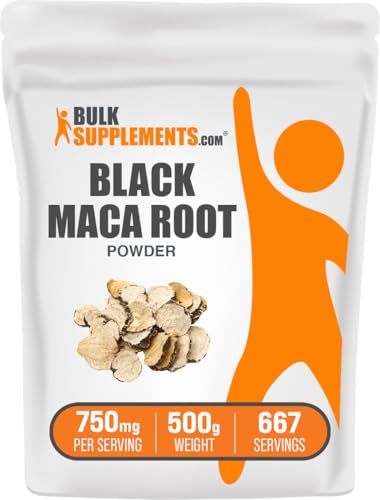
3. Purity and Contaminant Screening: Reputable third-party tests will screen for common contaminants including heavy metals (like lead, arsenic, cadmium, mercury), pesticides, and microbial contaminants (like bacteria, yeast, and mold). The results should indicate that these contaminants are either absent or present at levels well below established safety limits.
4. Batch-Specific Results: The most reliable CoAs are specific to the batch number of the product you are purchasing. This ensures that the testing is current and relevant to the specific supplement you hold.
Benefits of Choosing Third-Party Tested Maca
Opting for a third-party tested maca supplement offers several benefits. Primarily, it provides greater assurance regarding the product’s safety and efficacy. You can have more confidence that the supplement contains what it claims to and is free from harmful contaminants. This level of transparency is important for consumers making health-related decisions.
While research on maca’s effects in humans is ongoing, studies in other contexts have explored its potential impacts. For instance, maca supplementation has been studied in relation to sperm quality and quantity in animals [3][4][5]. Human research has also explored maca’s potential impacts on sleep and quality of life [6]. Choosing a high-quality, tested product helps ensure that any maca you consume aligns with the quality used in research settings.
Ultimately, prioritizing third-party tested maca supplements is a proactive step toward making informed and responsible choices for your well-being during midlife and menopause.
References
- Not All Maca Is Created Equal: A Review of Colors, Nutrition, Phytochemicals, and Clinical Uses. Nutrients, 2024
- Controlling the quality of maca (Lepidium meyenii) dietary supplements: Development of compendial procedures for the determination of intact glucosinolates in maca root powder products. Journal of pharmaceutical and biomedical analysis, 2021
- Lepidium meyenii (Maca) in male reproduction. Natural product research, 2021
- Effects of oral black Maca (Lepidium meyenii) supplementation on semen quality and refrigerated storage stability in subfertile and normofertile dogs: a study on sperm parameters and testosterone levels. The veterinary quarterly, 2025
- Effect of maca supplementation on bovine sperm quantity and quality followed over two spermatogenic cycles. Theriogenology, 2010
- The increasing popularity of Peruvian maca (Lepidium meyenii) and its potential impacts on sleep and quality of life. Clinics (Sao Paulo, Brazil), 2024
These statements have not been evaluated by the Food and Drug Administration. This information is not intended to diagnose, treat, cure, or prevent any disease. Content is for informational purposes only and is not medical advice; consult a qualified healthcare provider before starting any supplement. As an Amazon Associate we earn from qualifying purchases.
