Ready to buy? Check current prices on Amazon and compare deals before you decide.
Maca root, scientifically known as Lepidium meyenii, is a plant native to the high-altitude Andes Mountains of Peru. For centuries, it has been a staple food and traditional remedy in its native region, valued for its nutritional profile and adaptogenic properties.
As women navigate the physiological changes of midlife and menopause, many seek natural approaches to support their well-being. Understanding what maca root is and how it has been traditionally used can offer valuable insights for those considering its inclusion in their daily routine.
What Exactly Is Maca Root?
Maca root is a cruciferous vegetable, related to broccoli, cabbage, and kale. The part of the plant that is most commonly used is the hypocotyl, which is the fusion of the stem and root, resembling a radish or turnip. This root is traditionally dried and then consumed in various forms, including powders, liquids, and capsules.
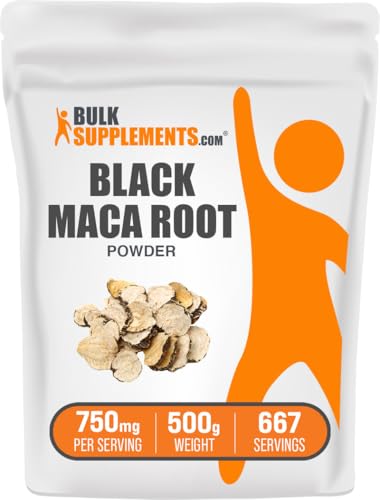
The growing conditions in the Andes, characterized by harsh sunlight, strong winds, and extreme temperatures, are believed to contribute to maca’s unique phytochemical composition. It has been recognized as a functional food and dietary supplement, with analytical studies reviewing its components [1].
A Historical Perspective: Maca’s Traditional Use
For thousands of years, maca has been cultivated and consumed by indigenous communities in the Peruvian Andes. It served not only as a vital food source, providing essential nutrients in a challenging environment, but also as a traditional remedy for various health concerns. Its use is deeply embedded in the cultural heritage of these regions, reflecting a long history of understanding its properties.
The traditional knowledge surrounding maca’s uses, particularly concerning reproductive health, has been a subject of interest. The ‘Rio Convention’ highlights the importance of protecting indigenous and local knowledge, which includes the historical applications of plants like maca [2].
The Potential Role of Maca for Women in Midlife
During midlife and menopause, women experience significant hormonal shifts that can impact various aspects of health, including mood, energy levels, and sexual well-being. While more research is always beneficial, some studies have explored maca’s potential relevance in this context.
Regarding reproductive health claims, research has investigated the justification for the hype around maca. Reviews have also examined complementary and alternative medicine (CAM) for sexual dysfunction in older men and women [3]. This suggests an ongoing interest in understanding how natural compounds like maca might support well-being during these life stages [4].
Understanding Maca Varieties and Forms
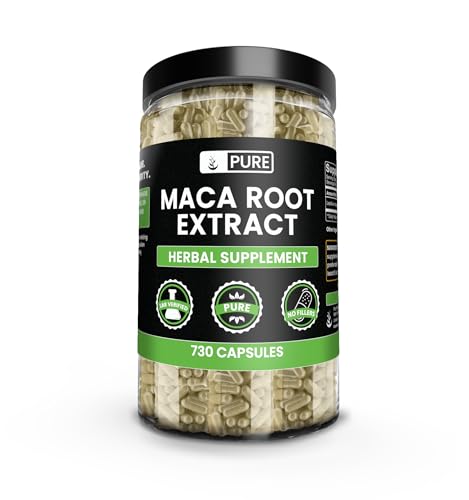
Maca root comes in several varieties, distinguished by the color of their hypocotyls, most commonly yellow, red, and black. While all varieties share a similar nutritional profile, traditional and some modern uses suggest subtle differences in their perceived effects.
The most common form available is maca powder, made from dried and ground maca root. It can be added to smoothies, oatmeal, or baked goods. Maca is also available in gelatinized form, which is pre-cooked to remove starch, potentially making it easier to digest for some individuals. Capsules and liquid extracts offer convenient alternatives for consistent intake.
Nutritional Profile of Maca Root
Beyond its traditional uses, maca is recognized for its rich nutritional content. It contains carbohydrates, protein, fiber, and a variety of vitamins and minerals, including vitamin C, copper, iron, and potassium. It also provides a range of bioactive compounds, such as macamides, macaenes, and glucosinolates, which are thought to contribute to its adaptogenic properties.
References
- Maca (Lepidium meyenii) as a Functional Food and Dietary Supplement: A Review on Analytical Studies. Foods (Basel, Switzerland), 2026
- 25 years after the `Rio Convention’–Lessons learned in the context of sustainable development and protecting indigenous and local knowledge. Phytomedicine : international journal of phytotherapy and phytopharmacology, 2019
- Complementary and alternative medicine (CAM) for sexual dysfunction and erectile dysfunction in older men and women: an overview of systematic reviews. Maturitas, 2011
- Is the hype around the reproductive health claims of maca (Lepidium meyenii Walp.) justified?. Journal of ethnopharmacology, 2018
These statements have not been evaluated by the Food and Drug Administration. This information is not intended to diagnose, treat, cure, or prevent any disease. Content is for informational purposes only and is not medical advice; consult a qualified healthcare provider before starting any supplement. As an Amazon Associate we earn from qualifying purchases.
