Ready to buy? Check current prices on Amazon and compare deals before you decide.
As women navigate the unique changes of midlife and menopause, many seek natural ways to support their well-being. Maca root, a cruciferous vegetable native to the Andes Mountains, has gained attention for its potential to help with various aspects of this transition. With its growing popularity, questions often arise about the different types of maca available, particularly concerning its origin.
A common query is whether maca sourced from its traditional home in Peru offers distinct advantages over maca grown elsewhere. Understanding the nuances of maca’s origin can help you make informed choices, even with limited scientific evidence currently available on this specific distinction.
The Traditional Home of Maca: Peru
Maca (Lepidium meyenii) has a long and rich history in the high-altitude regions of the Peruvian Andes, where it has been cultivated for thousands of years[1]. Indigenous communities have traditionally used maca not only as a food source but also for its perceived health benefits. The harsh, nutrient-poor soil and extreme climate of the Andes are thought to contribute to maca’s unique phytochemical profile.
The term ‘Peruvian maca’ often refers to maca that is grown, harvested, and processed within Peru, frequently adhering to traditional farming practices. When you see ‘organic maca root Peru,’ it typically indicates that the product has been cultivated without synthetic pesticides or fertilizers in its native region, aligning with both historical methods and modern organic standards.
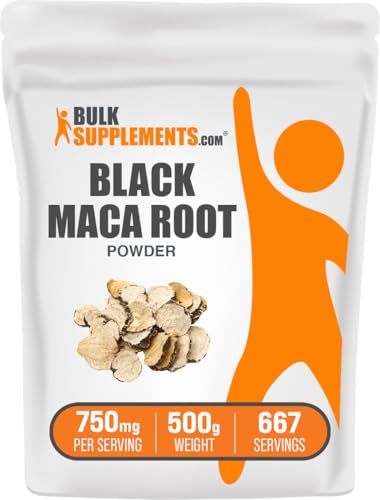
Maca Cultivation Beyond Peru
Due to increasing global demand, maca cultivation has expanded beyond its native Peru. Some countries, particularly in other parts of South America or Asia, have begun growing maca. These regions may have different soil compositions, altitudes, and climatic conditions compared to the Peruvian Andes. These environmental factors are known to influence the chemical makeup of many plants.
While maca grown outside Peru is still botanically the same species, the specific growing conditions could potentially lead to variations in its nutritional and phytochemical content[2][1]. However, there is currently no specific research directly comparing the effects or composition of maca grown in Peru versus other regions, particularly as it relates to women’s health in midlife.
Does Origin Impact Maca’s Composition or Efficacy?
The question of whether the origin of maca significantly impacts its chemical composition or its potential effects for women in midlife is a complex one. For many plants, the ‘terroir’ – the unique combination of climate, soil, and topography – can influence the concentration of active compounds. For maca, this could mean that the specific conditions of the Peruvian Andes might foster a particular balance of macamides, macaenes, alkaloids, and other beneficial compounds often associated with its properties.
However, without direct comparative studies, any claims about the superior efficacy or distinct composition of Peruvian maca versus non-Peruvian maca remain speculative. While traditional knowledge often emphasizes the importance of native growing conditions, scientific validation specific to maca’s origin and its impact on human health, especially for women in midlife, is not yet established. When considering organic maca root Peru, the ‘organic’ certification ensures certain cultivation practices, but the ‘Peru’ aspect is more about traditional origin than scientifically proven differential efficacy at this time.
Choosing Your Maca: What to Consider
Given the limited evidence directly comparing maca from different origins, focusing on other quality indicators may be more practical. When selecting maca, consider the following:
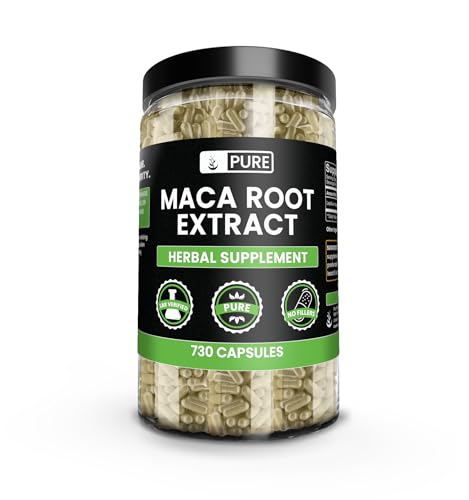
Organic Certification: Whether from Peru or elsewhere, opting for organic maca helps ensure that the product is free from synthetic pesticides and herbicides, which is a general good practice for any plant-based supplement. An ‘organic maca root Peru’ label provides reassurance on both origin and cultivation methods.
Processing Method: How maca is processed (e.g., raw vs. gelatinized) can influence its digestibility and concentration of certain compounds. Gelatinized maca, for example, has its starch removed, which may make it easier for some people to digest.
Reputable Suppliers: Choose brands that are transparent about their sourcing, processing, and quality control. Look for third-party testing when possible, as this can help confirm the product’s purity and potency, regardless of its origin.
Type of Maca: Different colors of maca (red, black, yellow) are sometimes associated with varying properties, though research on these distinctions is also still developing[2]. Your personal needs may guide this choice more than origin at present.
References
- Is the hype around the reproductive health claims of maca (Lepidium meyenii Walp.) justified?. Journal of ethnopharmacology, 2018
- Not All Maca Is Created Equal: A Review of Colors, Nutrition, Phytochemicals, and Clinical Uses. Nutrients, 2024
These statements have not been evaluated by the Food and Drug Administration. This information is not intended to diagnose, treat, cure, or prevent any disease. Content is for informational purposes only and is not medical advice; consult a qualified healthcare provider before starting any supplement. As an Amazon Associate we earn from qualifying purchases.
