Ready to buy? Check current prices on Amazon and compare deals before you decide.
Maca root, scientifically known as Lepidium meyenii, is a plant native to the high-altitude Andes mountains of Peru. For centuries, it has been a staple in the diets of indigenous communities in the region, traditionally consumed for its nutritional value and potential health properties [1].
In recent years, maca has gained attention as an adaptogen, a classification often used for natural substances believed to help the body adapt to various stressors and support balance. For women navigating the complexities of midlife and menopause, understanding what is maca root and its potential role in supporting well-being can be a valuable area of exploration.
The Origins and Characteristics of Maca Root
Maca root thrives in harsh, high-altitude environments, growing at elevations of 13,000 to 14,000 feet in the central Andes [1]. This resilient plant belongs to the Brassica family, making it a relative of broccoli, cabbage, and kale. The part of the plant most commonly consumed and studied is the hypocotyl, which is often referred to as the ‘root’ due to its underground growth and appearance.
There are several varieties of maca, distinguished by the color of their hypocotyls, including yellow, red, and black maca. While they share many nutritional similarities, research suggests there might be subtle differences in their phytochemical profiles and potential effects [1]. Traditionally, maca has been consumed in various forms, including dried, powdered, or cooked, as part of the daily diet in Andean communities [2].

Maca is recognized for its rich nutritional content, including carbohydrates, protein, fiber, and essential minerals. Beyond its basic nutritional profile, maca contains unique bioactive compounds, such as macamides, macaenes, and glucosinolates, which are thought to contribute to its potential adaptogenic properties [1].
Maca as an Adaptogen: What Does it Mean?
The term ‘adaptogen’ is used to describe certain natural substances that are believed to help the body maintain balance and adapt to physical, chemical, and biological stressors. Adaptogens are generally understood to have a normalizing effect on the body, supporting overall resilience rather than targeting specific symptoms directly [3]. This concept is particularly relevant for women experiencing the fluctuating hormones and various changes associated with midlife and menopause.
Unlike substances that stimulate or depress particular systems, adaptogens are thought to work by supporting the body’s own regulatory processes. This broad-spectrum support is why adaptogens like maca, Panax ginseng, and Eleutherococcus senticosus are often explored for general well-being rather than for specific medical conditions [3]. For women in midlife, the potential for supporting overall resilience and balance can be an appealing aspect of adaptogenic plants.
It’s important to understand that the adaptogenic classification is based on traditional use and emerging research. While the concept is widely discussed in wellness communities, the scientific understanding of how adaptogens precisely exert their effects is an ongoing area of study. The potential benefits are often described in terms of supporting general vitality and the body’s capacity to cope with daily demands.
Exploring Maca Root for Women’s Midlife Health
For women navigating menopause, some research has explored maca’s potential to support various aspects of well-being. A systematic review from 2011 suggested that maca might have a role in helping with menopausal symptoms [4]. However, the review also noted that the available evidence was limited by the small number and size of studies at the time [4].
More recent, small-scale studies have continued to investigate maca’s effects. For instance, a pilot study involving postmenopausal women indicated that maca consumption was associated with reductions in blood pressure and self-reported depression [5]. Another area of interest has been maca’s potential influence on mood and energy levels, which can be significant concerns during menopause [4].
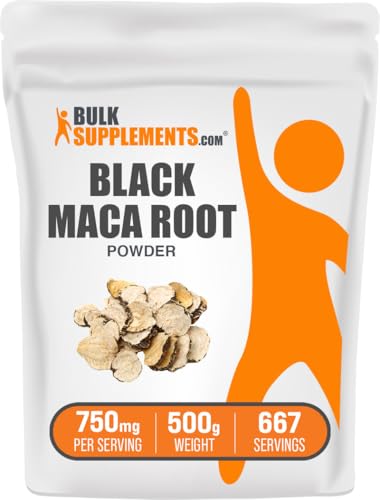
Beyond specific menopausal symptoms, maca’s general nutritional profile and unique compounds are being studied for broader wellness support. Research has explored its antioxidant properties and potential anti-inflammatory effects, with some studies focusing on fermented maca root extracts [6]. These broader investigations contribute to understanding the full spectrum of what is maca root and its potential contributions to overall health in midlife.
Understanding Maca’s Phytochemicals and Potential Mechanisms
The potential effects of maca root are largely attributed to its unique array of phytochemicals. These include compounds such as macamides, macaenes, alkaloids, and glucosinolates, which are distinct from those found in many other plants [1]. These compounds are thought to interact with various systems in the body, contributing to maca’s adaptogenic properties.
Oxylipins, which include macamides and macaenes, are a group of biologically active substances that are being investigated for their roles in various physiological processes [7]. In maca, these specific oxylipins are unique to the plant and are believed to be key contributors to its potential health-supporting actions [1].
It’s important to note that the exact mechanisms by which maca exerts its effects are still being elucidated. Research is ongoing to fully understand how these complex phytochemicals interact with human physiology to produce the observed outcomes. The unique chemical fingerprint of maca is what differentiates it from other adaptogens and nutritional plants [1].
References
- Not All Maca Is Created Equal: A Review of Colors, Nutrition, Phytochemicals, and Clinical Uses. Nutrients, 2024
- Smallanthus sonchifolius and Lepidium meyenii – prospective Andean crops for the prevention of chronic diseases. Biomedical papers of the Medical Faculty of the University Palacky, Olomouc, Czechoslovakia, 2003
- Comparison between the Biological Active Compounds in Plants with Adaptogenic Properties (Rhaponticum carthamoides, Lepidium meyenii, Eleutherococcus senticosus and Panax ginseng). Plants (Basel, Switzerland), 2021
- Maca (Lepidium meyenii) for treatment of menopausal symptoms: A systematic review. Maturitas, 2011
- Maca reduces blood pressure and depression, in a pilot study in postmenopausal women. Climacteric : the journal of the International Menopause Society, 2015
- Anti-Inflammation and Anti-Melanogenic Effects of Maca Root Extracts Fermented Using Lactobacillus Strains. Antioxidants (Basel, Switzerland), 2023
- [Oxylipins – biologically active substances of food]. Voprosy pitaniia, 2020
These statements have not been evaluated by the Food and Drug Administration. This information is not intended to diagnose, treat, cure, or prevent any disease. Content is for informational purposes only and is not medical advice; consult a qualified healthcare provider before starting any supplement. As an Amazon Associate we earn from qualifying purchases.
