Ready to buy? Check current prices on Amazon and compare deals before you decide.
As women navigate midlife and the menopausal transition, maintaining cellular health becomes increasingly important. Oxidative stress, an imbalance between free radicals and antioxidants in the body, is a natural part of aging and can impact various bodily systems.
Maca root (Lepidium meyenii) is a plant traditionally used for its potential health supportive properties. Recent research has begun to explore its antioxidant capacity, suggesting it may play a role in supporting cellular well-being during this significant life stage.
Understanding Oxidative Stress in Midlife
Oxidative stress is a normal biological process, but an excess can contribute to cellular changes over time. During midlife and menopause, various physiological shifts can influence the body’s antioxidant defenses. Supporting these defenses is a key aspect of maintaining overall health and vitality.
Antioxidants are compounds that can help stabilize free radicals, reducing their potential impact on cells. A diet rich in antioxidant-containing foods is often recommended to support the body’s natural protective mechanisms.
Maca Root: A Source of Bioactive Compounds
Maca root contains a variety of bioactive compounds, including polyphenols, flavonoids, and glucosinolates, which are known for their antioxidant properties [1][2]. These compounds contribute to the plant’s overall potential to support health.
Specific fractions isolated from maca, such as macamides and macaenes, have also demonstrated antioxidant activities in laboratory settings [3]. This suggests that multiple components within maca root may contribute to its cellular supportive effects.
Evidence for Maca Root’s Antioxidant Benefits
Research indicates that maca root may help support the body’s antioxidant systems. A systematic review and meta-analysis concluded that maca (Lepidium meyenii Walp) can positively influence cellular oxidative stress [4]. This suggests a broader impact on the body’s ability to manage free radicals.
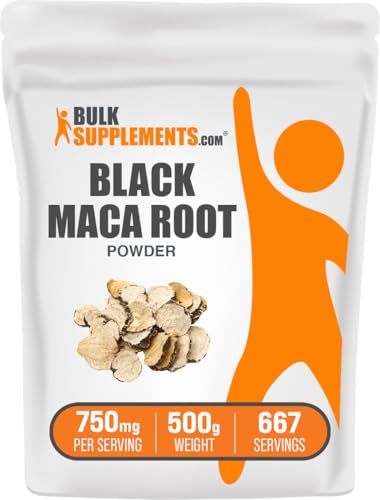
Studies have also explored the specific effects of different maca varieties. For instance, black maca has shown antioxidant effects in some research [5]. Additionally, red maca supplementation was observed to help prevent acrylamide-induced oxidative stress in rat studies, with its phytochemical composition analyzed by UHPLC-ESI-MS/MS [6]. While these findings are promising, it’s important to note that much of the current evidence comes from in vitro and animal studies, and more human-specific research is needed to fully understand the implications for women in midlife.
The compounds within maca root are thought to work through various mechanisms to support antioxidant defenses. These mechanisms can include directly neutralizing free radicals or enhancing the body’s own antioxidant enzyme systems [1][2].
Maca Root and Cellular Protection
The potential of maca root to support antioxidant activity suggests it could play a role in cellular protection. By helping to modulate oxidative stress, maca may contribute to maintaining the integrity and function of cells as women age.
While the specific impact on midlife women’s health is still being explored, the general antioxidant properties observed in maca root contribute to its reputation as a supportive botanical for overall well-being [1].


References
- Medicinal effects of Peruvian maca (Lepidium meyenii): a review. Food & function, 2020
- Exploring the chemical and pharmacological variability of Lepidium meyenii: a comprehensive review of the effects of maca. Frontiers in pharmacology, 2024
- Antioxidant and antitumoral activities of isolated macamide and macaene fractions from Lepidium meyenii (Maca). Talanta, 2021
- The Effects of Maca (Lepidium meyenii Walp) on Cellular Oxidative Stress: A Systematic Review and Meta-Analysis. Antioxidants (Basel, Switzerland), 2024
- Antioxidant, Neuroprotective, and Antinociceptive Effects of Peruvian Black Maca (Lepidium meyenii Walp.). Antioxidants (Basel, Switzerland), 2025
- Lepidium meyenii Walp (red maca) Supplementation Prevents Acrylamide-Induced Oxidative Stress and Liver Toxicity in Rats: Phytochemical Composition by UHPLC-ESI-MS/MS. Plant foods for human nutrition (Dordrecht, Netherlands), 2022
These statements have not been evaluated by the Food and Drug Administration. This information is not intended to diagnose, treat, cure, or prevent any disease. Content is for informational purposes only and is not medical advice; consult a qualified healthcare provider before starting any supplement. As an Amazon Associate we earn from qualifying purchases.
