As you navigate the dynamic landscape of perimenopause, the quest for sustained energy, revitalized libido, and a sense of hormonal equilibrium often leads to a dizzying array of supplements and lifestyle adjustments. You’ve likely encountered countless claims, from the latest “miracle” herb to pharmaceutical interventions. But how do these options truly measure up, especially when considering a natural adaptogen like maca root?
This comprehensive guide, updated for 2026, cuts through the noise to provide an evidence-based comparison of maca root against its most common alternatives. We’ll explore the science, acknowledge the limitations, and help you make an informed decision about integrating maca into your perimenopausal wellness strategy.
Disclosure: This article contains affiliate links. As an Amazon Associate, MacaRootHub earns from qualifying purchases.
Maca Root: An Adaptogen for Perimenopausal Women
Maca (Lepidium meyenii), a cruciferous vegetable native to the Andes, has been traditionally used for centuries for its purported energizing and fertility-enhancing properties. In recent decades, it has gained significant attention as an adaptogen, meaning it helps the body adapt to stress and maintain homeostasis.
For women experiencing perimenopause, maca’s appeal lies in its potential to address common symptoms like fatigue, low libido, and mood fluctuations. While it does not contain hormones itself, research suggests it may exert its effects by supporting the endocrine system and influencing neurotransmitter function.
Maca for Energy vs. Stimulants and Other Energy Boosters
One of the primary reasons women seek out maca during perimenopause is for its purported energy-boosting effects. Unlike stimulants such as caffeine, maca is believed to provide a more sustained and balanced energy without the jitters or subsequent crash.
How Maca Works for Energy
The exact mechanisms by which maca enhances energy are still being investigated. It is hypothesised that its compounds, including macamides, macaenes and glucosinolates, support cellular energy production, and preclinical work has also reported effects on metabolic regulation and fatigue[1]. These are laboratory and animal findings rather than results measured in perimenopausal women, and the mechanism behind maca’s reported energy effects has not been established in humans.
Maca vs. Caffeine and Energy Drinks
Caffeine provides a rapid, albeit often short-lived, surge of energy by blocking adenosine receptors in the brain. While effective for immediate alertness, excessive caffeine intake can lead to anxiety, sleep disturbances, and a dependency cycle. Energy drinks often combine high doses of caffeine with sugar and other stimulants, potentially exacerbating these issues and offering little nutritional value.
Maca, in contrast, is typically reported to offer a more gentle and sustained increase in vitality. Users often describe feeling more mentally clear and physically enduring without the nervous stimulation associated with caffeine. This makes it a compelling alternative for those seeking stable energy without the side effects of stimulants.
Maca vs. B Vitamins and Iron Supplements
B vitamins, particularly B12 and folate, are crucial for energy metabolism and red blood cell formation. Iron is essential for oxygen transport, and iron deficiency anemia is a common cause of fatigue in women. If a deficiency is present, supplementing with these nutrients is vital and directly addresses the root cause of fatigue.
Maca’s role is complementary; it acts as an adaptogen supporting overall energy resilience, rather than directly correcting a specific nutritional deficiency. It’s important to rule out deficiencies through blood tests before relying solely on maca for persistent fatigue.
Maca for Libido vs. Hormonal Therapies and Herbal Aphrodisiacs
Declining libido is a common and often distressing symptom for women during perimenopause, driven by fluctuating hormone levels and other factors. Maca has garnered significant interest for its potential to naturally enhance sexual desire.

How Maca Works for Libido
The clinical picture is mixed rather than uniformly positive. A systematic review that searched 17 databases found four randomised placebo-controlled trials: two reported a significant effect on sexual desire or sexual dysfunction (in menopausal women and in adult men), one found no effect at all in healthy cyclists, and a fourth reported a significant improvement in men with erectile dysfunction. The reviewers concluded that the evidence for maca improving sexual function is limited[2]. The trials are small and the mechanism is not established; a role for the hypothalamic-pituitary-adrenal axis has been proposed but not demonstrated in these studies.
Crucially, the placebo-controlled trials that actually measured hormones found no change in them. In a crossover trial in postmenopausal women, 3.5 g/day of maca produced no difference in estradiol, follicle-stimulating hormone, luteinising hormone or sex hormone-binding globulin, while the psychological and sexual-dysfunction subscales of the Greene Climacteric Scale improved; maca extracts showed no meaningful androgenic or estrogenic activity in a yeast reporter assay[3].
A second crossover trial at 3.3 g/day likewise found no change in estradiol, FSH, TSH or sex hormone-binding globulin[4]. That distinguishes it from hormonal therapies. Instead, it may work by supporting the body’s natural balance and enhancing overall well-being, which can indirectly improve sexual function.
Maca vs. Hormone Replacement Therapy (HRT)
HRT, which involves supplementing with estrogen and sometimes progesterone, is a highly effective treatment for many perimenopausal symptoms, including low libido. It directly replaces declining hormone levels. However, HRT carries its own set of risks and considerations, including potential cardiovascular and breast cancer risks for some women, and requires medical supervision.
Maca offers a non-hormonal alternative for women seeking to improve libido without the direct introduction of exogenous hormones. It may be particularly appealing to those who are unable or unwilling to use HRT. The choice between maca and HRT often depends on individual health profiles, symptom severity, and personal preferences regarding synthetic hormones.
Maca vs. Other Herbal Aphrodisiacs (e.g., Damiana, Tribulus)
Various other herbs are marketed for libido enhancement, such as damiana, tribulus terrestris, and yohimbe. While some have traditional uses, robust scientific evidence supporting their efficacy and safety for female libido, especially during perimenopause, is often limited. Yohimbe, in particular, can have significant side effects and is not recommended without medical guidance.
Maca stands out due to a growing body of research specifically addressing its impact on sexual function, often with a favorable safety profile. It’s important to approach all herbal supplements with caution and consult with a healthcare provider, especially when combining them.
Maca for Hormonal Balance vs. Phytoestrogens and Synthetic Hormones
The fluctuating and declining hormone levels during perimenopause contribute to a wide range of symptoms, including hot flashes, night sweats, and mood swings. While maca does not contain hormones, its adaptogenic properties are often linked to supporting overall endocrine health.
How Maca Works for Hormonal Balance
Maca is thought to work by nourishing the hypothalamus and pituitary glands, which are the master glands of the endocrine system. By supporting these glands, maca may help the body produce its own hormones more effectively and maintain a better balance. This is a subtle, supportive action rather than a direct hormonal input.
Symptom relief has been reported. A double-blind crossover trial in early-postmenopausal women using pre-gelatinised maca reported alleviation of menopausal symptoms on both the Kupperman Menopausal Index and the Greene score[5]. That trial, unlike the two above, also reported shifts in estradiol and FSH, so maca’s hormone-neutrality is better described as the finding of the larger, better-controlled trials than as settled fact. The systematic review of maca for menopausal symptoms identified four randomised trials, all favourable, but judged the total number of trials, the total sample size and their methodological quality too limited to draw firm conclusions[6].
Maca vs. Phytoestrogens (e.g., Soy Isoflavones, Red Clover)
Phytoestrogens are plant compounds that have a chemical structure similar to estrogen and can exert weak estrogen-like effects in the body. Soy isoflavones and red clover are popular examples often used to alleviate menopausal symptoms. They directly interact with estrogen receptors.
While phytoestrogens can be effective for some women in reducing hot flashes, their estrogenic activity means they may not be suitable for everyone, particularly those with a history of estrogen-sensitive conditions. Maca, by contrast, is non-estrogenic and is believed to work through a different pathway, making it a potentially safer option for a broader range of women.
Maca vs. Black Cohosh
Black cohosh is another widely used herbal remedy for menopausal symptoms, particularly hot flashes. Its mechanism of action is complex and not fully understood, but it is thought to involve modulation of neurotransmitters and potentially some selective estrogen receptor modulation. Some women find it highly effective, while others experience no benefit.
Maca offers an alternative mechanism of action, focusing on overall endocrine support rather than direct receptor interaction. The efficacy of both black cohosh and maca can vary significantly among individuals, underscoring the personalized nature of perimenopausal symptom management.
Side Effects and Safety Considerations: Maca vs. Alternatives
When comparing any supplement or therapy, safety is paramount. Maca is generally well tolerated in the trials run so far, with rare adverse effects and low toxicity in preclinical testing[1], and mild digestive upset is the complaint most often reported, especially when starting at a high dose. That tolerability record is not the same as an established safety profile: the systematic review of maca in menopausal women states plainly that its safety has not yet been proved, and the placebo-controlled trials ran only six to twelve weeks[6].
Compared to pharmaceutical interventions like HRT, which carry specific risks and require medical monitoring, maca presents a lower risk profile. However, it’s always advisable to consult with a healthcare provider before starting any new supplement, especially if you have existing health conditions or are taking medications.
Some alternatives, such as certain herbal aphrodisiacs or high-dose stimulants, can have more significant side effects including elevated blood pressure, heart palpitations, and interactions with medications. The gentle adaptogenic nature of maca often means a smoother experience for many users.
Maca Root Comparison Table: Key Differentiators (2026)
| Feature | Maca Root | Hormone Replacement Therapy (HRT) | Caffeine/Stimulants | Phytoestrogens (e.g., Soy) | Black Cohosh |
|---|---|---|---|---|---|
| Mechanism | Adaptogenic; supports HPA axis & endocrine system indirectly. Non-hormonal. | Directly replaces declining estrogen/progesterone. | Blocks adenosine receptors; stimulates CNS. | Weakly mimics estrogen; binds to estrogen receptors. | Modulates neurotransmitters; potential SERM activity. |
| Primary Benefits for Perimenopause | Energy, libido, mood, mild hot flash support. | Comprehensive relief for hot flashes, night sweats, vaginal dryness, libido. | Temporary alertness, increased energy. | Hot flash reduction, bone health support. | Hot flash reduction, mood. |
| Speed of Effect | Gradual (weeks to months) | Relatively rapid (days to weeks) | Immediate (minutes) | Moderate (weeks) | Moderate (weeks) |
| Safety Profile | Generally good; mild GI upset possible. | Specific risks (e.g., blood clots, breast cancer for some); requires medical supervision. | Jitters, anxiety, sleep disruption, dependency. | Generally good; not for estrogen-sensitive conditions. | Generally good; liver toxicity rare but reported[7]. |
| Hormonal Impact | Non-estrogenic; supports natural balance. | Directly introduces synthetic hormones. | Indirect, minimal. | Estrogenic activity (weak). | Non-estrogenic (primary belief); some debate on receptor interaction. |
Choosing the Right Maca Product: What to Look For
When considering maca root, the quality and type of product are important for efficacy. Not all maca is created equal.
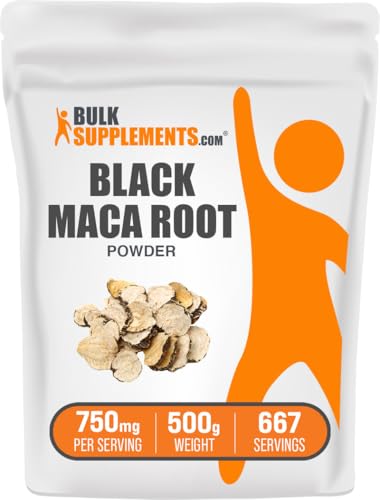
Look for products that specify the color of maca, as different colors (yellow, red, black) are traditionally associated with slightly different benefits. For perimenopausal women, a blend of colours or red maca is often recommended for hormonal balance, while black maca is frequently cited for energy and stamina. These colour-specific claims rest largely on animal work: red and black maca protected bone architecture in ovariectomised rats without producing estrogenic effects on uterine weight, whereas yellow maca did not[8]. No trial has compared maca colours head to head in perimenopausal women.
Another key factor is whether the maca is gelatinized. Gelatinization is a process that removes starch, making the maca easier to digest and potentially increasing the bioavailability of its active compounds. For those with sensitive stomachs, gelatinized maca is often preferred. Always look for products that are organic and third-party tested for purity and potency to ensure you are getting a high-quality supplement.
Amazon Affiliate Section: Finding Your Maca Root
When searching for maca root supplements, consider these types of products for your perimenopausal needs:
Organic Gelatinized Maca Powder: This form is ideal for adding to smoothies, yogurts, or oatmeal. Look for options that specify “gelatinized” for easier digestion and “organic” for purity. Search for “organic gelatinized maca powder”.
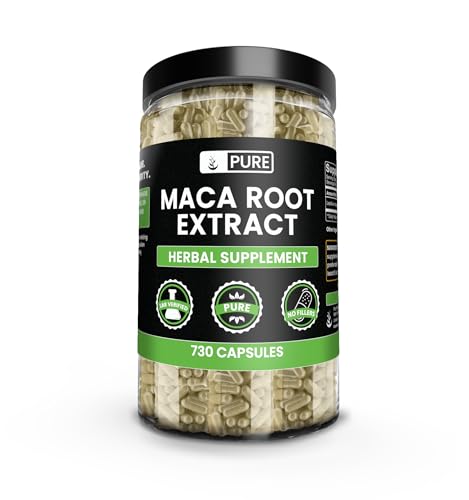
Maca Root Capsules (Red or Black Maca): For convenience and precise dosing, capsules are an excellent choice. Many brands offer specific types like red maca or black maca, which some women prefer for targeted benefits. Search for “red maca capsules” or “black maca root capsules”.
Maca Root Extract: A more concentrated form, extracts can be a good option for those looking for higher potency. Ensure the product specifies a clear extraction method and standardization. Search for “maca root extract liquid”.
Conclusion: Making an Informed Choice
Navigating perimenopause requires a personalised approach to wellness. Maca is a non-hormonal option with a genuine, but small, randomised evidence base: four trials in menopausal symptoms and four in sexual function, all of them modest in size, with the reviewers of both bodies of work concluding that the evidence is limited and that larger trials are needed[6][2]. It is not established as equivalent to hormone replacement therapy, and this page should be read as a comparison of what each option has been shown to do, not a ranking.
Its non-hormonal action, generally favorable safety profile, and unique mechanisms of action offer a compelling alternative or complement to other therapies. By understanding how maca compares to its alternatives, you are better equipped to make a choice that aligns with your health goals and lifestyle.
Always remember to consult with your healthcare provider to discuss your symptoms and determine the most appropriate course of action for your individual needs.
Frequently Asked Questions About Maca Root for Perimenopause
How long does it take for maca root to work for perimenopausal symptoms?
The effects of maca root are typically gradual. Many women report noticing benefits for energy, mood, and libido within 4-8 weeks of consistent daily use. Hormonal balance support may take longer to manifest visibly.
Can maca root be taken with other perimenopause supplements?
Maca root can often be safely taken with other supplements, but it is crucial to consult your healthcare provider first. They can advise on potential interactions, especially with supplements that also impact hormones or energy.
What is the recommended dosage of maca root for perimenopause?
Typical dosages range from 1,500 mg to 3,000 mg per day, often split into two doses. It’s best to start with a lower dose and gradually increase to assess your tolerance and optimal effect. Always follow product-specific instructions or your doctor’s advice.
Are there any specific types of maca root better for perimenopause?
Colour-specific recommendations are common but thinly evidenced. The bone claim attached to red maca comes from ovariectomised rats, where red and black maca preserved bone architecture and yellow maca did not[8]; it has not been tested in women. Black maca is popularly favoured for energy and stamina. No trial has compared the colours head to head in perimenopausal women, so a blend is a reasonable default rather than an evidence-based choice.
Can maca root help with hot flashes and night sweats?
Some women report a reduction in hot flashes and night sweats with maca root supplementation. While not as potent as HRT for these symptoms, its adaptogenic properties may help the body better cope with hormonal fluctuations that trigger them.
Is maca root safe for long-term use during perimenopause?
Long-term safety has not actually been established. Maca has a long history of dietary use in the Andes and is well tolerated in trials, but the placebo-controlled studies ran only six to twelve weeks, and the systematic review of maca for menopausal symptoms states that its safety has not yet been proved[6]. Review your supplement regimen periodically with your healthcare provider, particularly if you take it continuously for months at a time.
These statements have not been evaluated by the FDA. This product is not intended to diagnose, treat, cure, or prevent any disease.
Ready to buy? Check current prices on Amazon and compare deals before you decide.
References
- Exploring the chemical and pharmacological variability of Lepidium meyenii: a comprehensive review of the effects of maca. Frontiers in pharmacology, 2024
- Maca (L. meyenii) for improving sexual function: a systematic review. BMC complementary and alternative medicine, 2010
- Beneficial effects of Lepidium meyenii (Maca) on psychological symptoms and measures of sexual dysfunction in postmenopausal women are not related to estrogen or androgen content. Menopause (New York, N.Y.), 2008
- Maca reduces blood pressure and depression, in a pilot study in postmenopausal women. Climacteric : the journal of the International Menopause Society, 2015
- Hormone-Balancing Effect of Pre-Gelatinized Organic Maca (Lepidium peruvianum Chacon): (III) Clinical responses of early-postmenopausal women to Maca in double blind, randomized, Placebo-controlled, crossover configuration, outpatient study. International journal of biomedical science : IJBS, 2006
- Maca (Lepidium meyenii) for treatment of menopausal symptoms: A systematic review. Maturitas, 2011
- Review of black cohosh-induced toxicity and adverse clinical effects. Journal of environmental science and health. Part C, Toxicology and carcinogenesis, 2025
- Effects of different varieties of Maca (Lepidium meyenii) on bone structure in ovariectomized rats. Forschende Komplementarmedizin (2006), 2010
These statements have not been evaluated by the Food and Drug Administration. This information is not intended to diagnose, treat, cure, or prevent any disease. Content is for informational purposes only and is not medical advice; consult a qualified healthcare provider before starting any supplement. As an Amazon Associate we earn from qualifying purchases.
