Are you a woman navigating the often-turbulent waters of perimenopause, seeking natural ways to reclaim your energy, rekindle your libido, and find a sense of hormonal equilibrium? You’ve likely heard the buzz around maca root (Lepidium meyenii) and its potential as an adaptogen for women. But with so much information out there, a crucial question remains: what’s the right maca root dosage for you, and how can you ensure you’re taking it safely and effectively in 2026?
Understanding the optimal dosage of maca root is key to experiencing its benefits without unnecessary side effects. This comprehensive guide from MacaRootHub will cut through the noise, providing evidence-based insights into how much maca to take, when to take it, and important safety considerations, all tailored for women aged 40-55.
FTC Disclosure: Please note that this article contains affiliate links. If you make a purchase through these links, MacaRootHub may earn a small commission at no extra cost to you. This helps support our mission to provide valuable information.
Understanding Maca Root: An Adaptogen for Women
Maca root, a cruciferous vegetable native to the high Andes of Peru, has been used for centuries for its nutritional and medicinal properties. It is increasingly recognized as an adaptogen, meaning it helps the body adapt to stress and promotes overall balance.
For women in perimenopause, maca’s adaptogenic qualities are particularly appealing. It does not contain hormones itself, but it appears to support the body’s endocrine system, potentially influencing the hypothalamus-pituitary-adrenal (HPA) axis and ovarian function.
Maca Root Dosage for Perimenopause Symptoms
When considering maca for perimenopausal symptoms like hot flashes, mood swings, or sleep disturbances, research suggests a consistent daily intake is most beneficial. Studies often use a range that provides a good starting point for women.
Controlled trials in menopausal women have generally used 2,000 mg to 3,500 mg per day, and the largest tolerability study to date gave 3,000 mg daily to 175 adults for 12 weeks with good acceptability and no serious adverse effects[1]. This is typically divided into two or three doses throughout the day to maintain consistent levels.
Evidence for Perimenopausal Support
While large-scale randomized controlled trials (RCTs) specifically on perimenopause are still limited, several smaller studies show promising results. One study published in the journal Menopause investigated the effects of maca on postmenopausal women[2].
Participants receiving 3.5 grams of maca per day reported a reduction in psychological symptoms, including anxiety and depression, and an improvement in sexual dysfunction[2]. Two things belong with that result. It was a small crossover trial, fourteen women over six weeks, and it measured no change in estradiol, follicle-stimulating hormone, luteinising hormone or sex hormone-binding globulin, so the benefit was not explained by a hormonal shift.
A separate crossover trial in 29 postmenopausal women used 3.3 grams per day and likewise found no hormone change, reporting lower depression scores and lower diastolic blood pressure instead[3]. The mechanism is thought to involve maca’s unique compounds, such as macamides and macaenes, which may modulate neurotransmitter activity and hormone receptor sensitivity.
Maca Root Dosage for Energy and Stamina
Many women in their 40s and 50s report a noticeable dip in energy levels, often attributed to hormonal fluctuations and increased life demands. Maca has a traditional reputation as an energizer, and some contemporary research supports this.
For enhancing energy and stamina, a slightly lower daily dose than for full-blown menopausal symptoms might be effective for some individuals. A range of 1,000 mg to 2,000 mg daily, taken consistently, is often cited by users seeking an energy boost.
Mechanisms Behind Maca’s Energy Effects
Maca’s energy-boosting properties are not due to caffeine or stimulants. Instead, it is believed to work by supporting adrenal function and improving cellular energy production. Some animal studies suggest maca can improve mitochondrial function and reduce oxidative stress, contributing to sustained energy.
Users often report a more stable, sustained energy throughout the day, rather than a sudden jolt. This sustained energy can be particularly beneficial for managing the fatigue associated with perimenopause.
Maca Root Dosage for Libido and Sexual Health

A decline in libido is a common concern during perimenopause, often impacting quality of life. Maca root has gained significant attention for its potential to support sexual function in both men and women.
For libido enhancement, studies typically use dosages in the range of 1,500 mg to 3,000 mg per day. It often takes several weeks of consistent use to observe significant changes.
Scientific Findings on Maca and Libido
A systematic review published in BMC Complementary and Alternative Medicine found limited but encouraging evidence for maca’s positive effects on sexual dysfunction and libido, while cautioning that the four trials it found were too few and too small to draw firm conclusions[4].
One placebo-controlled trial showed that 3.0 grams of maca per day significantly improved self-reported sexual desire from 8 weeks of treatment, though it is worth knowing that trial enrolled healthy men aged 21 to 56, not women[5]. The closest equivalent in women is a 12-week trial of the same 3.0 gram dose in 45 women with antidepressant-induced sexual dysfunction, average age 41, where the improvement was real but modest and was concentrated in the postmenopausal participants[6].
The proposed mechanism for maca’s effect on libido is not fully understood, but it is thought to involve its impact on neurotransmitters like dopamine and serotonin, which play crucial roles in sexual arousal and desire. It does not appear to directly alter sex hormone levels in a significant way.
Starting Slow: Titrating Your Maca Root Dosage
Regardless of your primary reason for taking maca, it is always recommended to start with a lower dose and gradually increase it. This allows your body to adjust and helps you identify your optimal dosage without overwhelming your system.
A good starting point is often 500 mg to 1,000 mg per day for the first week. If well-tolerated, you can then increase by 500 mg every few days until you reach your desired therapeutic range or experience benefits.
When to Take Maca Root
Maca can be taken at any time of day, but many prefer to take it in the morning or early afternoon due to its energizing effects. Taking it too close to bedtime might interfere with sleep for some individuals.
Dividing your daily dose into two or three administrations, for example, with breakfast and lunch, can help maintain consistent levels in your system and potentially reduce the likelihood of digestive upset.
Types of Maca and Their Dosages
Maca root comes in different forms, which can influence how you approach dosage. The most common types are raw maca powder, gelatinized maca powder, and maca extracts or capsules.
| Maca Type | Description | Typical Daily Dosage Range | Considerations |
|---|---|---|---|
| Raw Maca Powder | Dried and ground maca root. Contains all active compounds. | 1,000 mg – 3,000 mg | Some find it difficult to digest due to starch content. Start with smaller doses. |
| Gelatinized Maca Powder | Raw maca that has been cooked and pressurized to remove starch. | 1,500 mg – 4,000 mg | Easier to digest, more concentrated. Often preferred for sensitive stomachs. |
| Maca Capsules/Extracts | Concentrated powder or liquid extract in capsule form. | 500 mg – 2,000 mg (depending on concentration) | Convenient, precise dosing. Check extract ratio (e.g., 4:1, 10:1). |
Gelatinized maca is often recommended for those new to maca or with sensitive digestive systems. The gelatinization process breaks down the starch molecules, making it easier to absorb nutrients and potentially reducing gastrointestinal discomfort.
When using concentrated extracts, always pay close attention to the manufacturer’s recommended dosage, as a 4:1 extract will be much more potent than an equal amount of raw powder.
Safety Notes and Potential Side Effects
Maca root is generally considered safe for most people when consumed in appropriate doses. However, like any supplement, it’s essential to be aware of potential side effects and contraindications.
Common Side Effects
Some individuals may experience mild side effects, especially when starting with a high dose. These can include:
Digestive upset: Bloating, gas, or mild stomach discomfort, particularly with raw maca powder.
Insomnia or jitters: If taken too close to bedtime due to its energizing properties.
Headaches: Less common, but reported by some.
Contraindications and Interactions
While maca is generally safe, certain conditions warrant caution or avoidance:
Hormone-sensitive conditions: Although maca does not contain hormones, its adaptogenic effects might influence the endocrine system. Women with hormone-sensitive conditions like breast, uterine, or ovarian cancer, or endometriosis, should consult their doctor before using maca.
Thyroid conditions: Maca is a cruciferous vegetable and contains goitrogens, which can interfere with thyroid function in individuals with iodine deficiency or existing thyroid issues. If you have a thyroid condition, speak with your healthcare provider.
Pregnancy and breastfeeding: There is insufficient research on the safety of maca during pregnancy and breastfeeding. It is best to avoid use during these periods.
Medication interactions: Maca may interact with certain medications, particularly blood thinners due to its vitamin K content, and potentially with medications affecting hormone levels. Always consult your doctor if you are on prescription medication.
Choosing a Quality Maca Supplement (Amazon Affiliate Insights)
When purchasing maca, quality matters significantly. Look for reputable brands that prioritize purity, potency, and ethical sourcing. On platforms like Amazon, you’ll find a wide array of options.
When searching for maca, consider these product types:
Organic gelatinized maca powder: This is a popular choice for its ease of digestion and concentrated nutrients. Search for “organic gelatinized maca powder”.
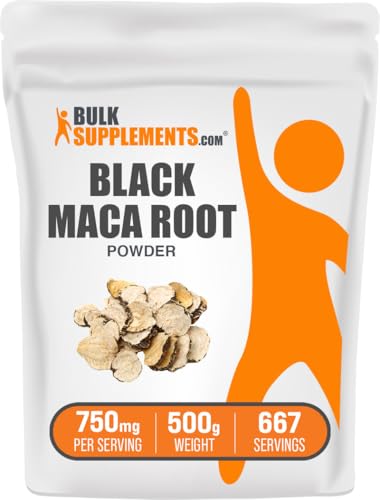
Red or black maca capsules: Some brands offer specific maca phenotypes, like red maca often favored by women for hormonal balance, or black maca for energy and stamina. Search for “red maca capsules organic” or “black maca extract”.
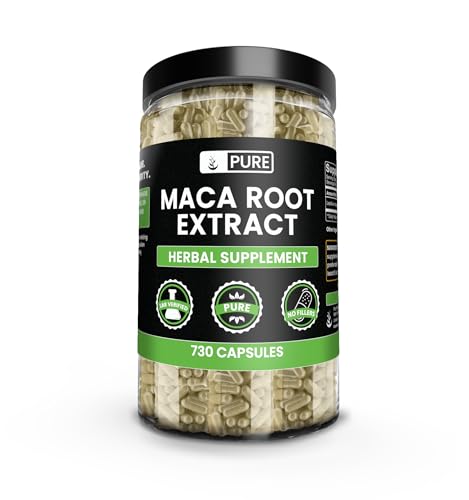
Maca root extract standardized: For those seeking a more potent and precisely dosed option, standardized extracts ensure a consistent level of active compounds. Search for “standardized maca root extract”.
Always check for third-party testing, certifications (like USDA Organic), and transparent sourcing information in product descriptions to ensure you’re getting a high-quality product.
Conclusion: Finding Your Maca Balance
Maca root offers a promising natural avenue for women navigating the challenges of perimenopause, from energy slumps and dwindling libido to hormonal fluctuations. While research is ongoing, the existing evidence and centuries of traditional use support its adaptogenic benefits.
The key to success lies in understanding appropriate dosages, starting slowly, and listening to your body. Always prioritize quality supplements and, most importantly, consult with your healthcare provider before introducing any new supplement, especially if you have underlying health conditions or are taking medications. With a thoughtful approach, maca root could become a valuable ally in your journey towards balanced well-being.
Frequently Asked Questions About Maca Root Dosage
Many individuals report noticing subtle changes within 2-4 weeks of consistent daily use, especially for energy and mood. For more significant effects on libido or hormonal balance, it can take 6-8 weeks or longer.
Yes, maca root is typically taken daily for optimal results. Consistent intake helps maintain its adaptogenic effects. Some people choose to cycle maca, taking it for a few months and then taking a break, but daily use is common.
There is no universally established maximum safe dose. Controlled trials have generally used 1.5 to 3.5 grams per day, and the largest tolerability study gave 3 grams daily to 175 adults for 12 weeks without serious adverse effects. Doses above that range have not been well studied, so going higher without medical supervision is not recommended and may increase the risk of side effects.
These are different phenotypes (colors) of maca root, each with slightly varying nutrient profiles and traditional uses. Yellow maca is the most common. Red maca is often favored by women for hormonal balance and bone density. Black maca is frequently chosen for energy, stamina, and male fertility. All types share general adaptogenic properties.
Maca’s adaptogenic properties may help regulate hormonal balance, which could potentially influence irregular cycles during perimenopause. Some women report more predictable cycles or a reduction in PMS symptoms. However, responses vary, and it’s important to monitor your body’s reaction and consult a healthcare provider.
Many women combine maca with other perimenopause-supporting supplements like black cohosh, dong quai, or magnesium. However, always exercise caution when combining supplements. It is strongly recommended to discuss your entire supplement regimen with your doctor or a qualified nutritionist to avoid potential interactions or over-supplementation.
These statements have not been evaluated by the FDA. This product is not intended to diagnose, treat, cure, or prevent any disease.
Ready to buy? Check current prices on Amazon and compare deals before you decide.
References
- Acceptability, Safety, and Efficacy of Oral Administration of Extracts of Black or Red Maca (Lepidium meyenii) in Adult Human Subjects: A Randomized, Double-Blind, Placebo-Controlled Study. Pharmaceuticals (Basel, Switzerland), 2016
- Beneficial effects of Lepidium meyenii (Maca) on psychological symptoms and measures of sexual dysfunction in postmenopausal women are not related to estrogen or androgen content. Menopause (New York, N.Y.), 2008
- Maca reduces blood pressure and depression, in a pilot study in postmenopausal women. Climacteric: the journal of the International Menopause Society, 2015
- Maca (L. meyenii) for improving sexual function: a systematic review. BMC Complementary and Alternative Medicine, 2010
- Effect of Lepidium meyenii (MACA) on sexual desire and its absent relationship with serum testosterone levels in adult healthy men. Andrologia, 2002
- A double-blind placebo-controlled trial of maca root as treatment for antidepressant-induced sexual dysfunction in women. Evidence-Based Complementary and Alternative Medicine, 2015
These statements have not been evaluated by the Food and Drug Administration. This information is not intended to diagnose, treat, cure, or prevent any disease. Content is for informational purposes only and is not medical advice; consult a qualified healthcare provider before starting any supplement. As an Amazon Associate we earn from qualifying purchases.
