Maca root (Lepidium meyenii), a plant native to the Andes, has gained attention for its various potential benefits. For women navigating midlife and menopause, understanding how different dietary components might support overall well-being is often a priority.
Among the many aspects of health, gut health plays a crucial role in digestion and nutrient absorption. This article explores the current, albeit limited, scientific understanding of maca root’s potential influence on gut health, including its interaction with the gut microbiome and digestive processes.
Understanding the Gut Microbiome
The gut microbiome refers to the vast community of microorganisms, including bacteria, viruses, and fungi, that reside in the digestive tract. This complex ecosystem plays a significant role in various bodily functions, from nutrient metabolism to immune system regulation. A balanced and diverse gut microbiome is often associated with digestive comfort and overall health.
Disruptions to the gut microbiome have been linked to various health concerns. Therefore, dietary components that may support a healthy gut environment are of interest, particularly for women experiencing changes during midlife and menopause.
Maca Root and the Gut Microbiome: Early Research
Emerging research suggests that compounds found in maca root may interact with the gut microbiota. For instance, studies have explored the structural characteristics of polysaccharides from Lepidium meyenii and their effects on gut microbiota in vitro [1]. Polysaccharides are complex carbohydrates that can act as prebiotics, providing nourishment for beneficial gut bacteria.
Another area of investigation involves network pharmacology, which has suggested gut microbiota modulation as a potential mechanism for some of maca’s reported effects [2]. While these are early findings, they point to a possible connection between maca compounds and the balance of microorganisms in the gut.
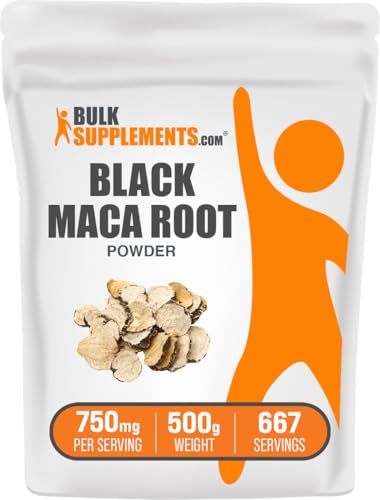
Furthermore, research involving maca protein has indicated its potential to influence the gut microbiota and the production of short-chain fatty acids (SCFAs) in animal models [3]. SCFAs are important byproducts of bacterial fermentation in the gut and are known to have various beneficial effects on gut health and beyond.
Maca Root and Digestive Processes
Beyond the microbiome, maca root’s potential influence on general digestive processes has been an area of some inquiry. The chemical composition of maca, which includes various bioactive compounds, may contribute to its effects [4].
Some research in animal models has looked at the effects of maca on nutrient digestibility [5]. For example, studies in rats fed a high-fat diet investigated how maca might influence the digestibility of nutrients and major nutrient transporters [5]. Another study in rats also explored maca’s modulation of fat and liver energy metabolism markers [6].
It’s important to note that while these studies offer insights into potential mechanisms, findings from animal research do not always directly translate to humans. Human studies specifically examining maca’s impact on digestion are limited.
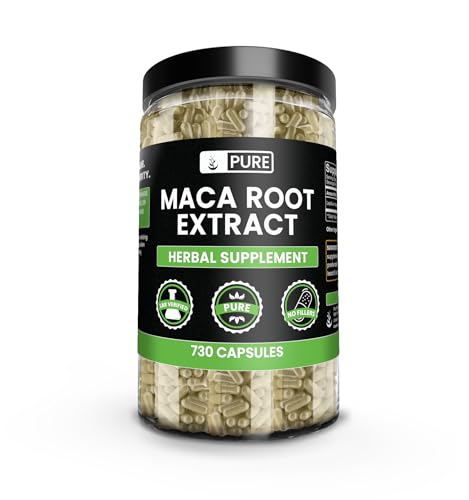
Maca’s Phytochemicals and Their Potential Role
Maca root contains a diverse array of phytochemicals, which are naturally occurring plant compounds that can have various biological activities [7]. These include macamides, alkaloids, and glucosinolates, among others [8]. These compounds are thought to be responsible for many of maca’s observed effects.
The interaction of these phytochemicals with the gut environment is a complex area of study. As mentioned earlier, some of maca’s polysaccharides have been studied for their effects on gut microbiota in vitro [1]. This suggests that specific components within maca may play a role in shaping the gut microbiome. However, more research is needed to fully understand the specific mechanisms and overall impact in humans.
Considerations for Women in Midlife and Menopause
During midlife and menopause, women often experience various physiological changes, which can sometimes include shifts in digestive patterns or gut comfort. While current evidence regarding maca root and gut health is limited, the ongoing research into its potential to influence the gut microbiome and digestive processes is a promising area.
It is important for women considering maca root to approach it as a dietary supplement and not as a substitute for medical care or established dietary guidelines for gut health. Supporting gut health typically involves a balanced diet rich in fiber, diverse plant foods, adequate hydration, and a healthy lifestyle.


References
- Structural characterization of six new Lepidium meyenii polysaccharides and their effects on gut microbiota in vitro. International journal of biological macromolecules, 2025
- Network Pharmacology Exploration Reveals Gut Microbiota Modulation as a Common Therapeutic Mechanism for Anti-Fatigue Effect Treated with Maca Compounds Prescription. Nutrients, 2022
- The maca protein ameliorates DSS-induced colitis in mice by modulating the gut microbiota and production of SCFAs. Food & function, 2023
- Chemical composition and health effects of maca (Lepidium meyenii). Food chemistry, 2019
- Effects of maca (Lepidium meyenii) on nutrient digestibility and major nutrient transporters in rats fed a high-fat diet. Food science & nutrition, 2021
- Maca modulates fat and liver energy metabolism markers insulin, IRS1, leptin, and SIRT1 in rats fed normal and high-fat diets. Archives of physiology and biochemistry, 2023
- Phytochemical and pharmacological investigation of the non-volatile compounds of Lepidium cartilagineum (J. C. Mayer) Thell. and determination of the essential oil composition of its flowers and fruits. Fitoterapia, 2024
- Maca. 2012
These statements have not been evaluated by the Food and Drug Administration. This information is not intended to diagnose, treat, cure, or prevent any disease. Content is for informational purposes only and is not medical advice; consult a qualified healthcare provider before starting any supplement. As an Amazon Associate we earn from qualifying purchases.
