Maca root (Lepidium meyenii) is a popular adaptogen often considered by women navigating midlife and menopause. As with any supplement, understanding its potential effects on vital organs like the liver is a common and important concern.
This article examines the available research on maca root and liver health, focusing on its safety profile. It’s important to note that while some studies suggest potential benefits, the current evidence is limited, and more human research is needed to draw definitive conclusions.
What is Maca Root and How is it Used?
Maca (Lepidium meyenii) is a cruciferous vegetable native to the Andes mountains of Peru, where it has been cultivated for thousands of years. The root, which resembles a radish or turnip, is traditionally consumed as food and has been used in traditional medicine for its various purported health benefits [1].
It is often consumed in powdered form, derived from dried maca roots. Women in midlife and menopause frequently consider maca for its potential to support hormonal balance, energy levels, and overall well-being. Understanding its interaction with major organs like the liver is crucial for informed use.
Maca Root and Liver Safety: The Current Evidence
When considering the safety of maca root for liver health, it’s important to look at both direct evidence regarding maca (Lepidium meyenii) and, where relevant, other species within the Lepidium genus, while acknowledging they are distinct plants.
Some research has explored the effects of maca on liver health, primarily in animal models. For instance, one study indicated that maca polysaccharide may have antioxidative effects and could improve energy metabolism in mice experiencing cyclophosphamide-induced hepatotoxicity, suggesting a potential supportive role via the Keap1-Nrf2 pathway [2]. Another study on rats found that maca modulated markers related to fat and liver energy metabolism, including insulin, IRS1, leptin, and SIRT1, in both normal and high-fat diet conditions [3]. Further rat studies suggest maca roots may modulate metabolic biochemical markers in the management of metabolic disorders induced by a high-fat, high-carbohydrate diet [4].
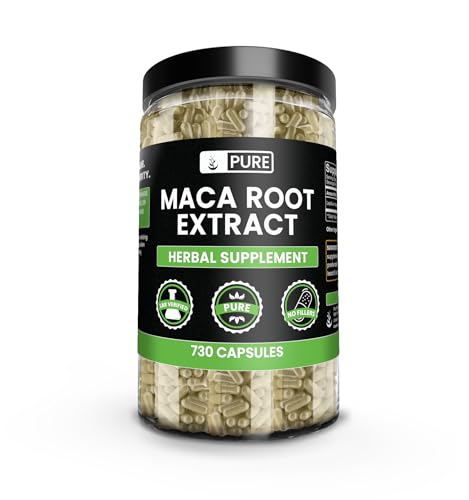
While these findings are interesting, they are from animal studies and do not directly translate to human liver safety or efficacy. Human clinical trials specifically investigating maca’s long-term effects on liver function markers are still largely needed to establish a comprehensive safety profile.
Distinguishing Maca (Lepidium meyenii) from Other Lepidium Species
It’s important to differentiate between maca (Lepidium meyenii) and other species within the same genus, such as Lepidium sativum (garden cress). While both are in the Lepidium genus, they are distinct plants with different chemical compositions and traditional uses. Some research on liver support has been conducted on Lepidium sativum, which is not maca.
For example, studies have shown that Lepidium sativum seeds may have hepatoprotective activity against CCl4-induced hepatotoxicity in rabbits [5] and against D-galactosamine/lipopolysaccharide induced hepatotoxicity in an animal model [6]. Efficacy of Lepidium sativum against carbon tetrachloride induced hepatotoxicity and its bioactive compounds have also been explored [7]. More recently, Lepidium sativum seeds were investigated for their ability to safeguard against monosodium glutamate-induced hepatic dysfunction [8]. These studies pertain to Lepidium sativum, not Lepidium meyenii, and thus their findings cannot be directly attributed to maca root.
One in vitro study investigated the biological activity of Lepidium meyenii extracts, noting some activity in cellular models [9]. However, this is an in vitro study and does not provide direct evidence for liver safety or function in a living organism.

Potential for Drug Interactions
Another aspect of liver safety involves potential interactions with medications, as the liver is central to drug metabolism. One study screened maca for its potential to inhibit or induce CYP3A4, an important enzyme involved in metabolizing many drugs, using a parallel artificial membrane permeability assay (PAMPA). The findings suggested that maca did not show significant inhibition or induction of CYP3A4, which could indicate a lower risk of certain drug interactions compared to some other botanicals [10].
However, this was an in vitro study, and the complexity of drug metabolism in the human body means that further research, including clinical studies, would be needed to fully understand any potential interactions, especially for individuals taking multiple medications.
Considerations for Women in Midlife and Menopause
For women in midlife and menopause, liver health is particularly important, as hormonal changes can sometimes influence liver function. While the existing research on maca root liver safety is limited, particularly in human populations, the animal studies generally do not point to significant liver toxicity with typical use.
However, it’s crucial to remember that ‘safe’ is relative, and individual responses can vary. Factors such as dosage, duration of use, existing liver conditions, and concurrent medication use can all influence how an individual’s body responds to maca. Therefore, a cautious approach is always recommended.


References
- Maca. 2012
- Antioxidative and Energy Metabolism-Improving Effects of Maca Polysaccharide on Cyclophosphamide-Induced Hepatotoxicity Mice via Metabolomic Analysis and Keap1-Nrf2 Pathway. Nutrients, 2022
- Maca modulates fat and liver energy metabolism markers insulin, IRS1, leptin, and SIRT1 in rats fed normal and high-fat diets. Archives of physiology and biochemistry, 2023
- Maca roots: A potential therapeutic in the management of metabolic disorders through the modulation of metabolic biochemical markers in rats fed high-fat high-carbohydrate diet. Journal of ethnopharmacology, 2024
- Amelioration of CCl(4)-Induced Hepatotoxicity in Rabbits by Lepidium sativum Seeds. Evidence-based complementary and alternative medicine : eCAM, 2019
- Hepatoprotective activity of Lepidium sativum seeds against D-galactosamine/lipopolysaccharide induced hepatotoxicity in animal model. BMC complementary and alternative medicine, 2016
- Efficacy of Lepidium sativum against carbon tetra chloride induced hepatotoxicity and determination of its bioactive compounds by GC⿿MS. Toxicology reports, 2015
- Investigating the Chemical Composition of Lepidium sativum Seeds and Their Ability to Safeguard against Monosodium Glutamate-Induced Hepatic Dysfunction. Foods (Basel, Switzerland), 2023
- The in vitro biological activity of Lepidium meyenii extracts. Cell biology and toxicology, 2006
- Screening for CYP3A4 inhibition and induction coupled to parallel artificial membrane permeability assay (PAMPA) for prediction of botanical-drug interactions: The case of açaí and maca. Phytomedicine : international journal of phytotherapy and phytopharmacology, 2019
These statements have not been evaluated by the Food and Drug Administration. This information is not intended to diagnose, treat, cure, or prevent any disease. Content is for informational purposes only and is not medical advice; consult a qualified healthcare provider before starting any supplement. As an Amazon Associate we earn from qualifying purchases.
