As women navigate perimenopause and menopause, bone health often becomes a significant consideration. The natural changes in hormone levels during this time can impact bone density, making it a key area of focus for overall well-being. Many individuals seek natural approaches to support their health during this transition.
Maca root (Lepidium meyenii) is a plant traditionally used for its potential health benefits. While research on maca root bone density is still in its early stages, some studies have begun to explore its possible role in supporting bone health, particularly in contexts relevant to menopausal changes.
Understanding Bone Health During Perimenopause
Perimenopause marks the transition period leading up to menopause, characterized by fluctuating hormone levels, particularly estrogen. Estrogen plays a vital role in maintaining bone density, and its decline can contribute to a gradual reduction in bone mass. This makes supporting bone health during perimenopause a proactive step for long-term well-being.
Maintaining strong bones involves a combination of factors, including adequate nutrition, regular weight-bearing exercise, and lifestyle choices. While conventional approaches are well-established, there is growing interest in how natural supplements like maca root might complement these efforts.
Maca Root and Bone Health: What the Research Suggests
Research into maca root’s effects on bone health is ongoing and primarily conducted in animal models. These studies provide initial insights but do not directly translate to human outcomes. One area of investigation involves how compounds within maca might influence bone formation pathways.
For instance, a compound found in maca, N-(3-methoxybenzyl)-(9Z,12Z,15Z)-octadecatrienamide, has been observed to promote bone formation through a specific cellular signaling pathway known as the canonical Wnt/β-catenin pathway in laboratory settings [1]. This suggests a potential mechanism by which maca constituents might influence bone metabolism.

Other research, often involving Lepidium sativum (a related species sometimes confused with Lepidium meyenii or maca root, though distinct), has explored its osteoprotective activities. For example, a study in ovariectomized rats (a model often used to study post-menopausal bone changes) indicated osteoprotective activity of Lepidium sativum and identified related metabolites [2]. Another study suggested a synergistic antiosteoporotic effect when Lepidium sativum was combined with alendronate in a rat model of glucocorticoid-induced osteoporosis [3]. It is important to note these findings are from related species and not directly from maca (Lepidium meyenii) itself, though they contribute to the broader understanding of the genus.
Maca’s Potential Influence on Bone Mass in Animal Models
Specific research on maca root (Lepidium meyenii) and bone mass has also been conducted in animal models. A study involving ovariectomized rats (a model for post-menopausal bone loss) examined the influence of Lepidium meyenii on lipid and bone mass. This study observed an influence on bone mass in these animals [4].
These animal studies suggest that maca root may have properties that could support bone health. However, it is crucial to understand that findings from animal research do not automatically apply to humans. The mechanisms and extent of any potential benefits in humans require dedicated clinical trials.
What We Know About Maca Root and Perimenopause
While direct human clinical trials specifically on maca root bone density during perimenopause are limited, the existing animal and mechanistic studies offer a foundation for future research. The potential influence on bone formation pathways [1] and observations in animal models [4] hint at areas for further investigation.
Maca root is often explored for its adaptogenic properties, which may support overall well-being during hormonal transitions. While these general benefits are distinct from direct bone density effects, a holistic approach to health during perimenopause often considers various aspects of physiological balance.
Incorporating Maca Root: Considerations and Safety
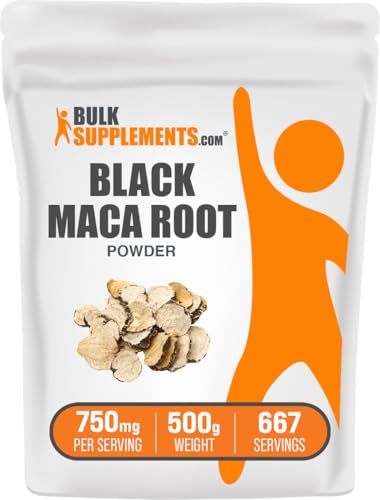
If considering maca root to support bone health during perimenopause, it is important to approach it with realistic expectations given the limited evidence. Maca is generally well-tolerated, but individual responses can vary. It is available in various forms, including powder, capsules, and extracts.
Always choose high-quality maca root products from reputable sources. Starting with a lower dose and gradually increasing it allows your body to adjust. Paying attention to how your body responds is key. Always consult with a healthcare professional before adding any new supplement to your regimen, especially if you have existing health conditions or are taking other medications.
Limitations of Current Research
It is important to emphasize that the current evidence for maca root’s direct impact on human bone density, particularly in perimenopausal women, is limited. Much of the promising research has been conducted in animal models or in vitro, which may not directly translate to human physiology. We lack large-scale, placebo-controlled human trials specifically investigating maca root bone density in this population.
While the findings on related species like Lepidium sativum are interesting [5], they are not directly interchangeable with Lepidium meyenii (maca root). Further human-specific research is needed to establish definitive conclusions about maca root’s role in supporting bone health during perimenopause.


References
- N-(3-methoxybenzyl)-(9Z,12Z,15Z)-octadecatrienamide promotes bone formation via the canonical Wnt/β-catenin signaling pathway. Phytotherapy research : PTR, 2019
- Osteoprotective Activity and Metabolite Fingerprint via UPLC/MS and GC/MS of Lepidium sativum in Ovariectomized Rats. Nutrients, 2020
- Synergistic antiosteoporotic effect of Lepidium sativum and alendronate in glucocorticoid-induced osteoporosis in Wistar rats. African journal of traditional, complementary, and alternative medicines : AJTCAM, 2013
- [Influence of Lepidium meyemii walp on lipid and bone mass in ovariectomized rats]. Wei sheng yan jiu = Journal of hygiene research, 2009
- Evidence for Health-Promoting Properties of Lepidium sativum L.: An Updated Comprehensive Review. Turkish journal of pharmaceutical sciences, 2022
These statements have not been evaluated by the Food and Drug Administration. This information is not intended to diagnose, treat, cure, or prevent any disease. Content is for informational purposes only and is not medical advice; consult a qualified healthcare provider before starting any supplement. As an Amazon Associate we earn from qualifying purchases.
