Ready to buy? Check current prices on Amazon and compare deals before you decide.
Navigating perimenopause often brings a range of changes, and for many women, a decrease in sexual desire can be a significant concern. This shift in libido is a common experience, prompting interest in various supportive approaches.
Maca root (Lepidium meyenii) has gained attention as a potential botanical aid for sexual well-being, particularly for its reported effects on libido. This article will explore the current evidence surrounding maca root for low libido in women experiencing perimenopause, offering a balanced perspective on what the research suggests.
Understanding Low Libido in Perimenopause
Perimenopause is the transitional phase leading up to menopause, characterized by fluctuating hormone levels, primarily estrogen and progesterone. These hormonal shifts can contribute to various symptoms, including changes in mood, sleep disturbances, vaginal dryness, and, for many, a noticeable decline in sexual interest or responsiveness.
It’s important to recognize that low libido in midlife women is complex and can stem from a combination of physiological, psychological, and relational factors. While hormonal changes play a role, stress, fatigue, body image concerns, and relationship dynamics can also influence sexual desire.
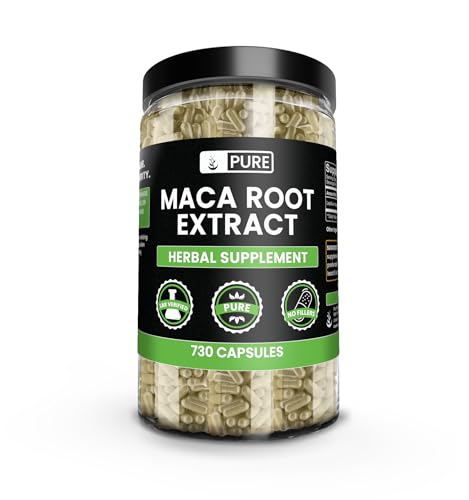
What is Maca Root?
Maca root, a plant native to the Andes mountains of Peru, has a long history of traditional use as both a food and a folk remedy. It belongs to the cruciferous family, similar to broccoli and cabbage, and its root is the part typically consumed. Traditionally, it has been valued for its nutritional content and perceived adaptogenic properties, which are thought to help the body adapt to stressors.
Different types of maca, often categorized by the color of their roots (e.g., yellow, red, black), are believed to have slightly varying properties. While maca is rich in vitamins, minerals, and amino acids, its potential effects on sexual function are often attributed to unique compounds like macamides and macaenes, though the precise mechanisms are still being investigated.
Maca Root and Sexual Function: What the Research Shows for Women
Research into maca root’s effects on sexual function has explored its potential for improving libido in various contexts. A systematic review published in 2010 examined studies on maca (L. meyenii) for improving sexual function, noting some positive findings in certain populations [1]. Another overview of systematic reviews from 2011 also touched upon complementary and alternative medicine (CAM) for sexual dysfunction in older men and women, mentioning maca among other botanicals [2].
Specifically for women in midlife, a double-blind, randomized study in postmenopausal women found that maca root had beneficial effects on psychological symptoms and measures of sexual dysfunction, and these effects were not linked to changes in estrogen or androgen levels [3]. This suggests that maca’s influence on sexual well-being may operate through mechanisms other than direct hormonal modulation, which could be relevant for perimenopausal women experiencing fluctuating hormones.
While some systematic reviews, such as one from 2018 on phytoestrogens and sexual function in menopausal women, did not specifically highlight maca’s role, existing trials offer insights into its potential for improving sexual desire in women [4]. The evidence for maca root in supporting libido for women in perimenopause is considered moderate, with some promising findings from clinical studies.
Maca Root for Antidepressant-Induced Sexual Dysfunction
Beyond age-related changes, antidepressant medications, particularly selective serotonin reuptake inhibitors (SSRIs), can sometimes contribute to sexual dysfunction, including low libido. This is a common side effect that can impact quality of life for women taking these medications.

Several studies have investigated maca root’s potential to help with antidepressant-induced sexual dysfunction. A double-blind, placebo-controlled trial specifically looked at maca root as a supportive option for antidepressant-induced sexual dysfunction in women. The findings suggested that maca root might be beneficial in this context [5].
Earlier pilot studies also explored maca root (L. meyenii) for the management of SSRI-induced sexual dysfunction, with a double-blind, randomized, dose-finding study showing some positive indications [6]. While the focus here is on medication-induced issues, these studies contribute to the overall understanding of maca’s potential influence on sexual function and desire in women. A more recent systematic review and meta-analysis from 2025 on pharmacological treatments for antidepressant-induced sexual dysfunction in women also included a discussion of various interventions, further contextualizing the role of botanicals like maca [7].
How Maca Root Might Influence Libido
The exact mechanisms by which maca root might support libido are not fully understood, but current theories point to several possibilities. As noted, studies have suggested that maca’s effects on sexual function in postmenopausal women were not related to changes in estrogen or androgen content [3]. This indicates that its action may be independent of direct hormonal modulation, which is distinct from how traditional hormone therapies might work.
Instead, researchers hypothesize that maca may influence neurotransmitter systems, such as those involving dopamine or serotonin, which play a role in mood and sexual desire. It might also exert adaptogenic effects, helping the body manage stress and fatigue, which are often contributors to low libido. Some studies have also observed positive effects on psychological symptoms, which can indirectly support sexual well-being [3].
References
- Maca (L. meyenii) for improving sexual function: a systematic review. BMC complementary and alternative medicine, 2010
- Complementary and alternative medicine (CAM) for sexual dysfunction and erectile dysfunction in older men and women: an overview of systematic reviews. Maturitas, 2011
- Beneficial effects of Lepidium meyenii (Maca) on psychological symptoms and measures of sexual dysfunction in postmenopausal women are not related to estrogen or androgen content. Menopause (New York, N.Y.), 2008
- Effect of phytoestrogens on sexual function in menopausal women: a systematic review and meta-analysis. Climacteric : the journal of the International Menopause Society, 2018
- A double-blind placebo-controlled trial of maca root as treatment for antidepressant-induced sexual dysfunction in women. Evidence-based complementary and alternative medicine : eCAM, 2015
- A double-blind, randomized, pilot dose-finding study of maca root (L. meyenii) for the management of SSRI-induced sexual dysfunction. CNS neuroscience & therapeutics, 2008
- Pharmacological treatment of antidepressant-induced sexual dysfunction in women: A systematic review and meta-analysis of randomized clinical trials. Clinics (Sao Paulo, Brazil), 2025
These statements have not been evaluated by the Food and Drug Administration. This information is not intended to diagnose, treat, cure, or prevent any disease. Content is for informational purposes only and is not medical advice; consult a qualified healthcare provider before starting any supplement. As an Amazon Associate we earn from qualifying purchases.
