Ready to buy? Check current prices on Amazon and compare deals before you decide.
As women navigate midlife and menopause, lifestyle choices become increasingly important for overall well-being. Many consider incorporating natural supplements like maca root into their daily routines. Understanding how maca root might interact with common lifestyle factors, such as alcohol and caffeine, is a sensible consideration.
This article aims to provide an evidence-based overview of the current knowledge regarding maca root’s interactions with alcohol and caffeine. It’s important to note that research in this specific area is limited, and further studies are needed to draw definitive conclusions.
Maca Root: An Overview of Its Compounds
Maca root (Lepidium meyenii) is a plant native to the Andes mountains, traditionally used for its nutritional and adaptogenic properties. Its potential effects are often attributed to a range of bioactive compounds, including macamides and macaenes. Some research has identified N-alkylamides in Lepidium meyenii, which are also found in other plants and have been noted for their modulating effects on certain systems [1].
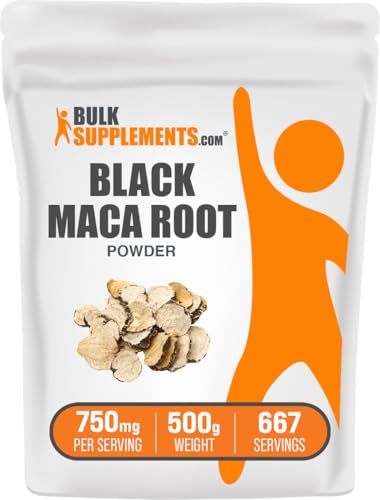
Other compounds present in maca, such as triterpenoids, are also subjects of scientific interest, with studies exploring their interactions in related plant species like Lepidium sativum [2]. While these studies highlight the complex biochemistry of maca and related plants, direct evidence on how these compounds specifically interact with alcohol or caffeine in the human body is not readily available.
Maca Root and Alcohol: What the Evidence Suggests
The direct interaction between maca root and alcohol consumption in humans has not been extensively studied. Therefore, specific guidance based on robust scientific evidence is currently limited. While maca has been explored for its potential to relieve fatigue in exercising mice by inhibiting inflammatory responses [3], this research does not address its interaction with alcohol.
Given the lack of specific studies, it’s prudent to approach the combination of maca root and alcohol with caution. Both substances can affect the body in various ways, and without direct research, it is difficult to predict potential synergistic or antagonistic effects. Individuals considering combining maca root with alcohol should be mindful of their body’s responses.
Maca Root and Caffeine: Current Understanding
Similar to alcohol, there is a scarcity of direct research investigating the interactions between maca root and caffeine. Caffeine is a stimulant widely consumed in beverages like coffee and tea, known for its effects on alertness and energy levels. Maca root is sometimes associated with supporting energy, though the mechanisms are distinct from caffeine.
Some research has explored the allelopathic potential of certain plant extracts on Lepidium sativum [4], and other studies discuss synthetic ecosystems and inter-kingdom communication [5]. However, these studies do not provide information on how maca root, specifically, interacts with caffeine in human physiology. Without dedicated studies, it is challenging to determine if maca root might amplify, diminish, or have no discernible interaction with caffeine’s effects.
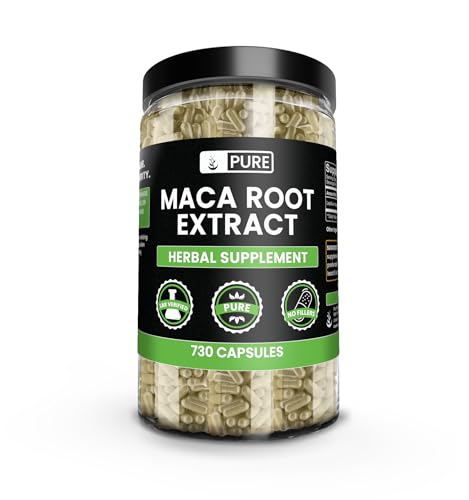
Women who regularly consume caffeine and are considering maca root may wish to observe their individual responses carefully, especially when first introducing maca. While some might find the combination enhances their sense of energy, others might experience no change or even feel overstimulated if they are sensitive to stimulants. This is purely anecdotal, however, as scientific evidence is lacking.
General Considerations for Midlife Women
For women in midlife and menopause, managing energy levels, sleep quality, and overall well-being is often a priority. Both alcohol and caffeine can influence these aspects. Alcohol consumption can affect sleep patterns and mood, while caffeine can impact sleep, anxiety levels, and heart rate, depending on individual sensitivity and amount consumed.
When incorporating a supplement like maca root, it’s always advisable to consider it within the context of your broader lifestyle. Paying attention to how your body responds to maca root, both with and without alcohol and caffeine, can provide personal insights. However, these personal observations do not substitute for scientific research.
References
- Identification of endocannabinoid system-modulating N-alkylamides from Heliopsis helianthoides var. scabra and Lepidium meyenii. Journal of natural products, 2014
- Plant Triterpenoid Crosstalk: The Interaction of Brassinosteroids and Phytoecdysteroids in Lepidium sativum. Plants (Basel, Switzerland), 2020
- The macamide relieves fatigue by acting as inhibitor of inflammatory response in exercising mice: From central to peripheral. European journal of pharmacology, 2022
- Allelopathic Potential of Lantana camara L. Leaf Extracts and Soils Invaded by It on the Growth Performance of Lepidium sativum L. TheScientificWorldJournal, 2023
- Synthetic ecosystems based on airborne inter- and intrakingdom communication. Proceedings of the National Academy of Sciences of the United States of America, 2007
These statements have not been evaluated by the Food and Drug Administration. This information is not intended to diagnose, treat, cure, or prevent any disease. Content is for informational purposes only and is not medical advice; consult a qualified healthcare provider before starting any supplement. As an Amazon Associate we earn from qualifying purchases.
