Ready to buy? Check current prices on Amazon and compare deals before you decide.
Maca root (Lepidium meyenii Walp) has garnered interest among women seeking support during midlife and menopause. While much discussion focuses on its immediate benefits, understanding the potential implications of sustained use is equally important for informed choices.
This article examines the available evidence regarding maca root’s long-term effects, focusing on what women should consider when incorporating this Andean crop into their wellness routine over an extended period. Our aim is to provide accurate, non-hyped information based solely on research findings.
Understanding Maca Root and Its Potential
Maca root, native to the Andes mountains, has a history of traditional use. It is recognized for its various biological properties [1]. Research has explored its potential roles in areas relevant to overall health and well-being, including its historical use as an Andean crop [2].

For women in midlife, specific areas of interest often include hormonal balance, mood, and energy levels. While maca is not a hormone, some studies have investigated its potential influence on symptoms commonly experienced during perimenopause and postmenopause.
Maca Root and Menopausal Symptoms: Sustained Use Observations
One pilot study involving postmenopausal women explored the effects of maca over a 12-week period. This research indicated that maca consumption was associated with a reduction in blood pressure and improvements in depression scores in the participants [3]. This suggests potential benefits for some menopausal symptoms with consistent use.
It is important to note that while these findings are encouraging, this was a pilot study. More extensive research with larger participant groups and longer durations would help further clarify the sustained impact of maca on menopausal symptoms and overall well-being. The existing evidence points towards potential areas of support rather than definitive outcomes for all individuals.
Maca Root and General Well-being Over Time
Beyond specific menopausal symptoms, the broader biological properties of maca root have been reviewed [1]. These properties might contribute to general well-being when maca is consumed regularly. As an Andean crop, it has also been considered for its potential role in the prevention of chronic diseases [2].
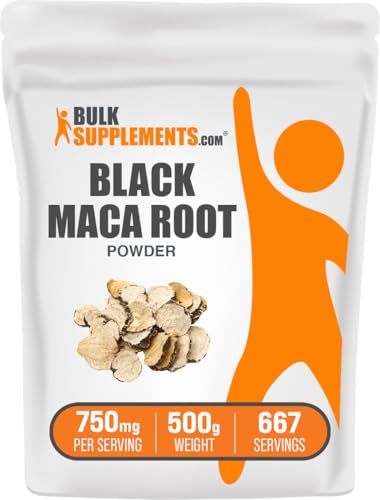
The concept of sustained use often relates to maintaining a sense of balance and vitality. For women in midlife, supporting overall health can be a priority. While specific long-term studies focusing solely on maca’s impact on general well-being in this demographic are still developing, its traditional use and observed properties suggest it could be a supportive addition for some.
Safety Considerations for Long-Term Maca Use
Maca root is generally considered safe for consumption [1]. However, when considering sustained use, it’s always prudent to be aware of how your body responds. As with any dietary supplement, individual reactions can vary.
There is no evidence provided that suggests significant long-term adverse effects directly linked to maca root in the available research. However, it is always recommended to start with a lower dose and observe your body’s response, especially when planning for extended use. Consulting with a healthcare provider can help ensure that maca root is appropriate for your individual health profile.
References
- [Maca (Lepidium meyenii Walp), a review of its biological properties]. Revista peruana de medicina experimental y salud publica, 2014
- Smallanthus sonchifolius and Lepidium meyenii – prospective Andean crops for the prevention of chronic diseases. Biomedical papers of the Medical Faculty of the University Palacky, Olomouc, Czechoslovakia, 2003
- Maca reduces blood pressure and depression, in a pilot study in postmenopausal women. Climacteric : the journal of the International Menopause Society, 2015
These statements have not been evaluated by the Food and Drug Administration. This information is not intended to diagnose, treat, cure, or prevent any disease. Content is for informational purposes only and is not medical advice; consult a qualified healthcare provider before starting any supplement. As an Amazon Associate we earn from qualifying purchases.
