Ready to buy? Check current prices on Amazon and compare deals before you decide.
Navigating midlife and menopause often involves exploring various natural supports. Maca root is one such botanical that women frequently consider for its potential to help manage some of the discomforts associated with this life stage.
A common question that arises when incorporating maca root is about the timeline for experiencing its potential effects. While individual responses can vary, understanding general expectations can be helpful as you consider this supplement.
Maca Root and Menopause: An Overview of Potential Support
Maca root, a plant native to the Andes mountains, has been traditionally used for centuries[1]. In recent years, it has gained attention for its potential adaptogenic qualities, meaning it may help the body adapt to stressors and support overall balance. For women in midlife, this has translated into interest regarding its potential to help with common menopause symptoms.
It’s important to understand that maca root is not a hormone replacement therapy[2]. Instead, it is thought to work by supporting the body’s own systems, rather than directly introducing hormones. This gentle, supportive approach often means that effects may not be immediate, but rather unfold over a period of time as the body responds.

Factors Influencing the Timeline for Maca Root’s Potential Effects
Several factors can influence how long it might take to notice potential changes when taking maca root for menopause symptoms. These include the individual’s unique physiology, the severity of their symptoms, and the consistency of maca root intake. Just as no two women experience menopause exactly alike, their responses to supplements can also differ.
Dosage and the specific form of maca root (e.g., raw powder, gelatinized powder, extract) could also play a role, though generalized recommendations for onset of effects often don’t differentiate between these forms in broad terms. Consistency is key; integrating maca root into a daily routine is generally recommended to allow the body sufficient time to respond.
General Expectations: When Might You Notice Potential Changes?
Based on general observations and user experiences, many women report that potential effects from maca root for menopause symptoms may become noticeable over a period of weeks to a few months. It’s not typically a supplement that yields immediate results within days. This gradual onset is consistent with how many botanical supplements that support the body’s systems tend to work.
Some individuals might begin to notice subtle shifts in energy levels or mood within 4-6 weeks[2]. For more pronounced changes related to symptoms like hot flashes or sleep disturbances, it might take a longer period, potentially 2-3 months or even more, for the body to fully adapt and for these changes to become more apparent. It’s often described as a subtle, cumulative effect rather than a sudden transformation.
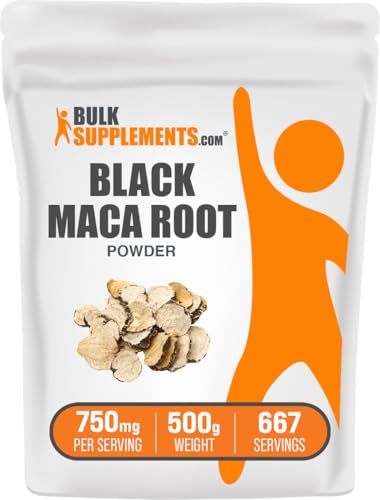
Managing Expectations: What to Look For and How to Assess Progress
When incorporating maca root, it’s helpful to maintain realistic expectations. Instead of looking for a ‘cure’ for all menopause symptoms, consider observing for subtle improvements in your overall well-being. This might include a feeling of increased vitality, a more stable mood, or a slight reduction in the intensity or frequency of certain symptoms.
Keeping a simple symptom journal can be a valuable tool to track your experience. Note down your energy levels, mood, sleep quality, and any specific menopause symptoms you are hoping to address. After several weeks or months of consistent maca root intake, review your journal to see if you can identify any patterns or positive shifts that you might not have noticed day-to-day. This objective tracking can help you assess if maca root is providing the support you’re seeking.
Long-Term Use and Continued Support
For those who find maca root to be supportive, continued, consistent use is often part of their wellness routine during midlife and menopause. The benefits, once established, are generally maintained through ongoing intake. If you decide to discontinue maca root, it’s possible that any improvements you’ve experienced may gradually diminish over time, as the body’s own systems no longer receive that specific botanical support.
As with any supplement, periodic re-evaluation of its effectiveness and your overall health goals is a sensible practice. You might find that your needs change over time, and adjusting your supplement regimen accordingly, ideally with guidance from a healthcare provider, can be beneficial.
References
- Is the hype around the reproductive health claims of maca (Lepidium meyenii Walp.) justified?. Journal of ethnopharmacology, 2018
- Beneficial effects of Lepidium meyenii (Maca) on psychological symptoms and measures of sexual dysfunction in postmenopausal women are not related to estrogen or androgen content. Menopause (New York, N.Y.), 2008
These statements have not been evaluated by the Food and Drug Administration. This information is not intended to diagnose, treat, cure, or prevent any disease. Content is for informational purposes only and is not medical advice; consult a qualified healthcare provider before starting any supplement. As an Amazon Associate we earn from qualifying purchases.
