Ready to buy? Check current prices on Amazon and compare deals before you decide.
Navigating the changes of midlife and menopause often involves experiencing various symptoms, with hot flashes being among the most common. Many women explore different approaches to support their well-being during this transition, including dietary supplements like maca root.
Maca (Lepidium meyenii) is a plant native to the Andes mountains, traditionally used for its nutritional properties. When considering its potential role in managing menopausal symptoms, it’s helpful to look at what the available evidence suggests, particularly regarding hot flashes.
Understanding Hot Flashes in Midlife and Menopause
Hot flashes, characterized by sudden feelings of warmth, sweating, and sometimes a flushed face, are a hallmark symptom for many women transitioning through menopause. They can range in intensity and frequency, significantly impacting daily life and sleep quality.
These physiological changes are primarily linked to fluctuating hormone levels, particularly estrogen, as the body’s reproductive functions decline. While hormone therapy is a well-established option for managing severe symptoms, many women seek alternative or complementary strategies.
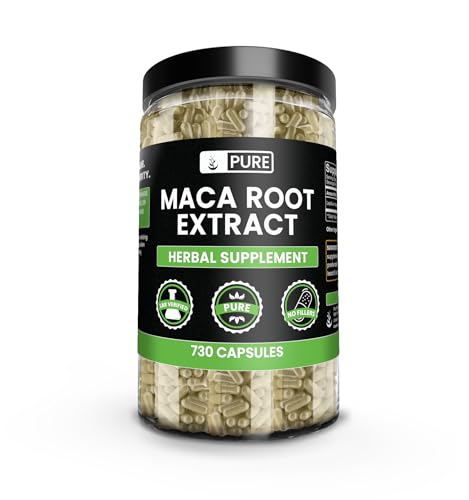
Maca Root: A Brief Overview of Its Traditional Use and Research Interest
Maca root has a long history of use in its native South America, where it’s valued as a food and for its perceived health benefits. In recent decades, it has gained international attention, prompting scientific inquiry into its potential effects on human health, including menopausal well-being.
Research interest in maca for menopausal symptoms stems from its traditional use and its unique nutritional profile. Unlike some other herbal preparations, maca is not typically considered to be a source of phytoestrogens [1].
What the Evidence Says About Maca Root and Hot Flashes
The current body of evidence exploring maca root’s impact on hot flashes is moderate and somewhat mixed. A systematic review published in 2011 examined several studies on maca for menopausal symptoms. This review suggested that maca may have some positive effects on menopausal symptoms, but noted that the quality and size of the included studies varied [2].
Another systematic review and meta-analysis from 2018 focused on the effect of phytoestrogens on sexual function in menopausal women. While maca is often discussed in the context of menopausal support, it’s important to reiterate that it’s generally not categorized as a phytoestrogen [3]. Therefore, its potential mechanisms of action, if any, for hot flashes would likely differ from those of phytoestrogen-rich compounds.
A case report from 2021 discussed the nutritional management of surgically induced menopause and included maca as part of a broader nutritional strategy. This report described a positive outcome in symptom management, but it’s important to remember that case reports represent individual experiences and do not provide the same level of evidence as larger clinical trials [4].
Overall, while some studies and reports suggest a possible role for maca in supporting menopausal well-being, including potentially influencing symptoms like hot flashes, more robust and larger-scale research is needed to draw definitive conclusions. The evidence strength for maca root specifically for hot flashes is considered moderate, indicating that while there are promising signals, the full extent and consistency of its effects are still being investigated.

Potential Mechanisms: How Might Maca Work?
The exact mechanisms by which maca root might influence menopausal symptoms, including hot flashes, are not fully understood. While it’s not typically considered to have direct estrogenic activity like phytoestrogens [1], researchers have explored other possibilities.
Some theories suggest that maca may interact with the endocrine system in ways that support overall hormonal balance, rather than directly supplying hormones. Its rich nutritional profile, including vitamins, minerals, and unique compounds called macamides and macaenes, might contribute to its broader adaptogenic properties. However, these are hypotheses, and further research is required to clarify how maca might exert any effects on menopausal symptoms.
Integrating Maca Root into a Midlife Wellness Strategy
For women considering maca root as part of their approach to managing hot flashes or other menopausal symptoms, it’s important to view it within a comprehensive wellness strategy. This often includes maintaining a balanced diet, regular physical activity, stress management techniques, and adequate sleep.
If you choose to explore maca root, it’s available in various forms, including powders and capsules. The optimal dosage and duration of use for specific menopausal symptoms are still areas of ongoing research. Starting with a lower dose and observing your body’s response is often a sensible approach.
References
- Herbal preparations for the menopause: beyond isoflavones and black cohosh. Maturitas, 2014
- Maca (Lepidium meyenii) for treatment of menopausal symptoms: A systematic review. Maturitas, 2011
- Effect of phytoestrogens on sexual function in menopausal women: a systematic review and meta-analysis. Climacteric : the journal of the International Menopause Society, 2018
- Nutritional management of surgically induced menopause: A case report. Women’s health (London, England), 2021
These statements have not been evaluated by the Food and Drug Administration. This information is not intended to diagnose, treat, cure, or prevent any disease. Content is for informational purposes only and is not medical advice; consult a qualified healthcare provider before starting any supplement. As an Amazon Associate we earn from qualifying purchases.
