Ready to buy? Check current prices on Amazon and compare deals before you decide.
For women in midlife and menopause, exploring natural options like maca root can be part of a holistic approach to well-being. However, if you are also using hormone medications, it’s natural to wonder about how maca root might fit into your routine and whether there are any potential interactions.
Our aim is to provide clear, evidence-based information on maca root and hormone medications. It’s important to note that the current evidence on maca root drug interactions, particularly with hormone medications, is limited. This guide will help you understand what we know and, more importantly, what we don’t know yet, so you can have an informed conversation with your healthcare provider.
Understanding Maca Root’s General Safety Profile
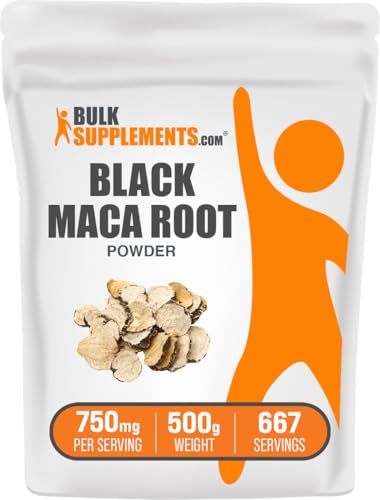
Maca (Lepidium meyenii Walp) is a root vegetable native to the Andes mountains, traditionally used for its nutritional value and perceived health benefits. While often discussed in relation to hormones, maca is not a hormone itself. Instead, it is sometimes referred to as an ‘adaptogen,’ a substance believed to help the body adapt to stress and support balance.
Research on maca’s general safety profile has explored various aspects. For example, studies have investigated its effects on sexual behavior in male rats [1] and its neuroprotective activity in glioblastoma cells [2]. Other research has examined its potential to improve social recognition deficits in an animal model of autism spectrum disorder [3] and how medium components affect plant regeneration [4]. These studies, while not directly addressing human drug interactions, contribute to our broader understanding of maca’s biological activities.
When considering any supplement, it’s crucial to acknowledge that even generally well-tolerated substances can have individual variations in response. This is especially true when other medications are involved.
Maca Root and Hormone Medications: What the Evidence Suggests
The primary concern when combining maca root with hormone medications (such as hormone replacement therapy, birth control, or thyroid medications) is the potential for maca to influence hormone levels or how these medications work in the body. However, direct, robust human studies specifically investigating maca root drug interactions with hormone medications are scarce.
Most of what we understand about maca’s potential influence on hormones comes from studies exploring its effects in isolation, rather than in combination with prescribed hormone medications. For example, some research has explored maca’s effects on sexual function, which can be linked to hormonal balance, though these studies often don’t involve participants concurrently taking hormone therapy [1].
It’s important to differentiate between maca’s purported adaptogenic properties and direct hormonal action. While some believe maca may support the endocrine system, this is distinct from directly altering the efficacy or metabolism of exogenous hormones. Without specific research, making definitive statements about interactions with hormone medications is challenging and requires caution.
Limited Research on Adaptogen-Drug Interactions
While direct evidence for maca root drug interactions with hormone medications is limited, we can look to broader categories of supplements for some context. Maca is sometimes categorized as an adaptogen. A retrospective chart review explored adverse events of interactions between adaptogens and antidepressant drugs [5]. This particular study focused on antidepressants, not hormone medications, but it highlights the general principle that interactions between herbal supplements and pharmaceutical drugs can occur.
Another review looked at the pharmacology of herbal sexual enhancers, including some that might be considered adaptogens, and their potential psychiatric and neurological adverse effects [6]. This review underscores the importance of considering potential interactions and adverse effects when combining herbal supplements with medications, even if the specific interaction with hormone therapy is not detailed.
These broader studies emphasize the need for caution and professional guidance when combining any herbal supplement, including maca root, with prescription medications, regardless of the specific drug class. The absence of reported interactions does not equate to the absence of interactions; it often reflects a lack of specific research.
Why “Limited Evidence” Matters
When we say the evidence for maca root drug interactions with hormone medications is “limited,” it means a few things. Firstly, there isn’t a large body of clinical trials specifically designed to test these combinations in humans. Secondly, much of the research on maca has focused on its isolated effects or in animal models, which don’t always translate directly to human responses, especially in complex drug interaction scenarios.
This lack of specific evidence means that healthcare providers often rely on general principles of pharmacology, knowledge of maca’s potential mechanisms, and individual patient factors when advising on its use with hormone medications. It is not an indication that interactions definitively do or do not occur, but rather that they have not been thoroughly studied.
Therefore, any decision to use maca root while on hormone medications should be made with careful consideration and under the guidance of a healthcare professional who understands your individual health profile and medication regimen.
References
- Acute and chronic dosing of Lepidium meyenii (Maca) on male rat sexual behavior. The journal of sexual medicine, 2007
- Neuroprotective activity of macamides on manganese-induced mitochondrial disruption in U-87 MG glioblastoma cells. Toxicology and applied pharmacology, 2018
- Oral Supplementation with Maca Improves Social Recognition Deficits in the Valproic Acid Animal Model of Autism Spectrum Disorder. Brain sciences, 2023
- Stem cell induction and plant regeneration are affected by medium components in maca (Lepidium meyenii Walp). Molecular biology reports, 2023
- Harder, better, faster, stronger? Retrospective chart review of adverse events of interactions between adaptogens and antidepressant drugs. Frontiers in pharmacology, 2023
- Pharmacology of Herbal Sexual Enhancers: A Review of Psychiatric and Neurological Adverse Effects. Pharmaceuticals (Basel, Switzerland), 2020
These statements have not been evaluated by the Food and Drug Administration. This information is not intended to diagnose, treat, cure, or prevent any disease. Content is for informational purposes only and is not medical advice; consult a qualified healthcare provider before starting any supplement. As an Amazon Associate we earn from qualifying purchases.
