Ready to buy? Check current prices on Amazon and compare deals before you decide.
Maca root (Lepidium meyenii) is a plant native to the Andes mountains, traditionally used for its nutritional and potential health-supporting properties. As women approach and navigate midlife and menopause, questions often arise about natural approaches that might support well-being.
One common area of interest is how maca root might interact with hormonal balance, particularly its potential influence on estrogen levels. This article will examine the available scientific evidence to provide a clear, non-hyped understanding of what research suggests regarding maca root and estrogen.
Understanding Estrogen in Midlife and Menopause
Estrogen is a key hormone that plays many roles in the female body, from reproductive health to bone density and mood regulation. During midlife, as women transition through perimenopause and into menopause, ovarian function naturally declines, leading to fluctuating and eventually lower levels of estrogen.
These hormonal shifts can contribute to a range of experiences, including hot flashes, night sweats, mood changes, and vaginal dryness. Many women seek ways to support their bodies through these changes, prompting interest in botanicals like maca root.
Does Maca Root Contain Estrogen?
A common misconception is that maca root directly contains estrogen or compounds that act strongly like estrogen in the body. However, research suggests this is not the case. Studies investigating maca’s effects on postmenopausal women found that its beneficial effects on psychological symptoms and measures of sexual dysfunction were not linked to its estrogen or androgen content [1].
While some plant-derived compounds, known as phytoestrogens, can mimic estrogen’s effects, the direct estrogenic content of maca root itself is not considered to be the mechanism behind its observed benefits. For instance, a different plant, Lepidium apetalum (a close relative to maca), was found to contain a compound with estrogen-like effects in vitro and in vivo [2], but this specific finding does not directly apply to Lepidium meyenii (maca root).

Instead of directly providing estrogen, the current understanding points towards maca root potentially influencing the body’s own hormonal systems in a more indirect way, often described as an adaptogenic effect, helping the body adapt to stressors and maintain balance.
Maca Root’s Influence on Hormones: What the Research Says
Several studies have explored maca root’s impact on hormone levels, often with findings suggesting it does not directly alter estrogen in a significant way, but may influence other hormonal markers.
In a study involving postmenopausal women, consumption of maca did not show changes in estrogen levels, yet it was associated with beneficial effects on psychological symptoms and sexual function [1]. This suggests that any positive effects observed were not due to an increase in estrogen.
Another study on ovariectomized rats (a model often used to study menopause) found that an ethanolic extract of Lepidium meyenii Walp influenced serum hormone levels, including follicle-stimulating hormone (FSH) and luteinizing hormone (LH), without necessarily increasing estrogen directly [3]. This implies a modulatory effect rather than a direct estrogenic one.
In men, maca has been studied for its potential impact on male reproductive health. For example, it has been shown to improve semen parameters in adult men [4] and is listed among plants considered in the management of male infertility [5]. However, these findings in men do not directly translate to changes in female estrogen levels.
A more recent study explored maca’s role in metabolism, finding it modulated fat and liver energy metabolism markers like insulin, IRS1, leptin, and SIRT1 in rats fed normal and high-fat diets [6]. While not directly about estrogen, this highlights maca’s potential influence on broader physiological systems that can indirectly affect hormonal balance.
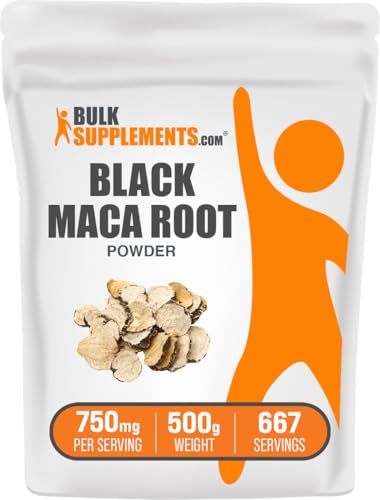
Maca Root and Menopausal Symptoms: Not Necessarily Estrogenic
For women navigating menopause, the interest in maca often stems from its potential to alleviate common symptoms. As noted, studies suggest that any benefits observed are likely not due to a direct increase in estrogen.
For instance, the review of hormones, herbal preparations, and nutriceuticals for post-menopause mentions maca among various options, but its mechanism of action is often described as adaptogenic or indirectly supportive, rather than directly estrogenic [7].
The evidence points to maca potentially supporting the body’s overall endocrine system, helping it to achieve a better balance, without necessarily acting as a phytoestrogen or directly boosting estrogen levels. This distinction is important for women who may be seeking alternatives to estrogen-based therapies or who are sensitive to estrogen fluctuations.
Current Understanding of Maca Root and Estrogen
Based on the available research, the consensus is that maca root does not significantly alter estrogen levels directly in women. Its reported benefits, particularly for psychological symptoms and sexual function in postmenopausal women, appear to be independent of estrogen content or direct estrogenic activity [1].
Instead, maca is thought to exert its effects through other mechanisms, such as supporting the hypothalamic-pituitary-adrenal (HPA) axis, which plays a central role in stress response and hormone regulation. This indirect modulation could help the body adapt to the hormonal shifts of midlife and menopause.
It’s important to remember that research on botanicals like maca root is ongoing, and while some studies show promising results, more extensive human trials are often needed to fully understand their mechanisms and efficacy. The current evidence, however, leans away from maca being a direct estrogen booster.
References
- Beneficial effects of Lepidium meyenii (Maca) on psychological symptoms and measures of sexual dysfunction in postmenopausal women are not related to estrogen or androgen content. Menopause (New York, N.Y.), 2008
- 2-Phenylacetamide Isolated from the Seeds of Lepidium apetalum and Its Estrogen-Like Effects In Vitro and In Vivo. Molecules (Basel, Switzerland), 2018
- Effect of ethanolic extract of Lepidium meyenii Walp on serum hormone levels in ovariectomized rats. Indian journal of pharmacology, 2014
- Lepidium meyenii (Maca) improved semen parameters in adult men. Asian journal of andrology, 2001
- Plants in the management of male infertility. Andrologia, 2020
- Maca modulates fat and liver energy metabolism markers insulin, IRS1, leptin, and SIRT1 in rats fed normal and high-fat diets. Archives of physiology and biochemistry, 2023
- Hormones, herbal preparations and nutriceuticals for a better life after the menopause: part II. Climacteric : the journal of the International Menopause Society, 2015
These statements have not been evaluated by the Food and Drug Administration. This information is not intended to diagnose, treat, cure, or prevent any disease. Content is for informational purposes only and is not medical advice; consult a qualified healthcare provider before starting any supplement. As an Amazon Associate we earn from qualifying purchases.
