Ready to buy? Check current prices on Amazon and compare deals before you decide.
As women navigate the perimenopausal transition, a variety of bodily changes can occur, including shifts in skin health. These changes might include alterations in texture, hydration, and overall appearance. Many individuals seek natural approaches to support their well-being during this time.
Maca root, a plant native to the Andes Mountains, has garnered attention for its potential properties. While research on maca root’s direct impact on human skin health, particularly during perimenopause, is still emerging, some studies offer early insights into its components and potential effects.
Understanding Perimenopausal Skin Changes
The perimenopausal phase often brings about fluctuations in hormone levels, which can influence various aspects of the body, including the skin. Skin might become drier, less elastic, or appear duller during this time. These changes are a natural part of the aging process and hormonal shifts.
Maintaining a consistent skincare routine, staying hydrated, and protecting the skin from environmental factors are generally recommended strategies to support skin health throughout midlife. Exploring complementary approaches, such as certain botanicals, is also an area of interest for many.
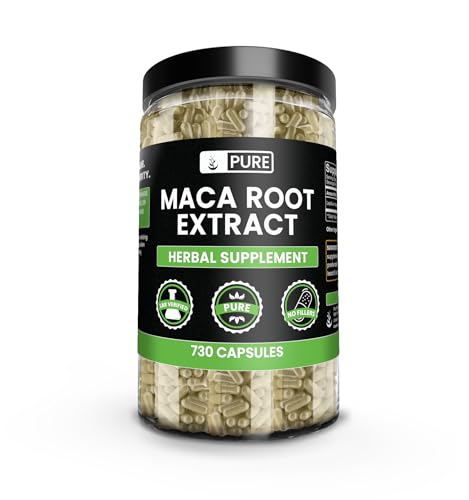
Maca Root’s Nutritional Profile and Skin Considerations
Maca (Lepidium meyenii) is known for its diverse chemical composition, which includes amino acids, fatty acids, vitamins, minerals, and polyphenols [1]. These compounds are essential for overall health and can play a role in maintaining cellular function.
Polyphenols, for instance, are plant compounds recognized for their antioxidant properties. Some research suggests that polyphenols may offer a degree of protection against damage from ultraviolet (UV) radiation, which is a known factor in skin aging [2]. While maca contains polyphenols, the direct impact of maca root consumption on human skin’s response to sun exposure requires further investigation.


Early Research on Maca and Skin Support
Current evidence specifically linking maca root to improved skin radiance or direct anti-aging effects in humans is limited. However, some preliminary research in animal models has explored maca’s potential influence on skin processes.
One study found that red maca (Lepidium meyenii) promoted skin wound healing in adult male mice, both at sea level and at high altitude [3]. While this research provides an interesting insight into maca’s potential biological activity, it’s important to remember that findings in animal models do not always translate directly to human experience. Wound healing is a complex process, and more research is needed to understand any potential relevance to general skin health or perimenopausal skin concerns.
Another review noted that botanical extracts, including some plant-derived compounds, are being explored for their potential anti-aging properties in the skin [4]. While maca root contains various compounds of interest, its specific role as an anti-aging preparation for human skin requires more targeted research.

Maca’s Potential in Cosmetic Applications
Beyond consumption, there is emerging interest in the use of Lepidium peruvianum (a species related to maca) as a source of compounds for cosmetic applications [5]. This suggests that researchers are exploring the plant’s constituents for their potential benefits when applied topically.
However, the development of cosmetic formulations is a complex process, involving considerations of toxicity, biodegradability, and skin irritation [6]. While the presence of beneficial compounds in maca is promising, the effectiveness and safety of maca-derived ingredients in topical skincare products for perimenopausal skin would need to be rigorously evaluated through dedicated studies.
Considerations for Incorporating Maca Root
If considering maca root as a dietary supplement, it’s generally consumed in powdered form, which can be added to smoothies, drinks, or foods. The specific dosage and form may vary. It’s important to choose reputable sources for maca products.
As with any supplement, individual responses can differ. Observing how your body reacts and making gradual adjustments can be a sensible approach. Remember that maca root is a food and supplement, not a substitute for a balanced diet, healthy lifestyle, or professional medical advice.
References
- Chemical composition and health effects of maca (Lepidium meyenii). Food chemistry, 2019
- Polyphenols and Sunburn. International journal of molecular sciences, 2016
- Red Maca (Lepidium meyenii), a Plant from the Peruvian Highlands, Promotes Skin Wound Healing at Sea Level and at High Altitude in Adult Male Mice. High altitude medicine & biology, 2017
- Botanical extracts as anti-aging preparations for the skin: a systematic review. Drugs & aging, 2010
- Lepidium peruvianum as a Source of Compounds with Anticancer and Cosmetic Applications. International journal of molecular sciences, 2024
- Optimization of Toxicity, Biodegradability, and Skin Irritation in Formulations Containing Mixtures of Anionic and Nonionic Surfactants Combined with Silica Nanoparticles. Toxics, 2025
These statements have not been evaluated by the Food and Drug Administration. This information is not intended to diagnose, treat, cure, or prevent any disease. Content is for informational purposes only and is not medical advice; consult a qualified healthcare provider before starting any supplement. As an Amazon Associate we earn from qualifying purchases.
