Ready to buy? Check current prices on Amazon and compare deals before you decide.
Navigating midlife often brings unique challenges, and for many women, managing stress and anxiety becomes a significant focus. While these experiences are a natural part of life, finding ways to support emotional well-being is important.
Maca root, a traditional adaptogenic herb, has garnered attention for its potential role in supporting the body’s response to stress. This article explores current research regarding maca root and its possible influence on stress and anxiety, particularly for women in midlife and during menopause.
Understanding Stress and Anxiety in Midlife
Midlife can be a period of significant change, both hormonally and in terms of life circumstances. Fluctuating hormone levels, particularly estrogen, during perimenopause and menopause can sometimes influence mood and emotional regulation. Additionally, life events such as career demands, family responsibilities, and caring for aging parents can contribute to increased stress levels. These combined factors can sometimes amplify feelings of anxiety.

While stress is a normal physiological response, chronic stress can have broader impacts on overall well-being. Similarly, anxiety, when persistent or excessive, can interfere with daily life. Many women seek natural approaches to complement their existing wellness strategies during this time.
Maca Root’s Potential Role in Stress Response
Maca (Lepidium meyenii) is an adaptogen, a classification of herbs thought to help the body adapt to various stressors. While direct human studies on maca’s impact on stress and anxiety in midlife women are still developing, some research offers insights into its potential mechanisms of action.
Studies in animal models have explored maca’s effects on stress responses. For instance, research in mice exposed to chronic unpredictable mild stress suggested that an extract from maca demonstrated antidepressant-like behavioral, anatomical, and biochemical effects [1]. Another study indicated that Lepidium peruvianum chacon, a variety of maca, appeared to help restore homeostasis in rats impaired by restraint stress [2]. These findings suggest that maca may play a role in supporting the body’s balance when faced with stressors.
Maca and Oxidative Stress
Oxidative stress is a state where there’s an imbalance between free radicals and antioxidants in the body, and it has been implicated in various physiological processes, including those related to stress. Some research suggests maca may have antioxidant properties.
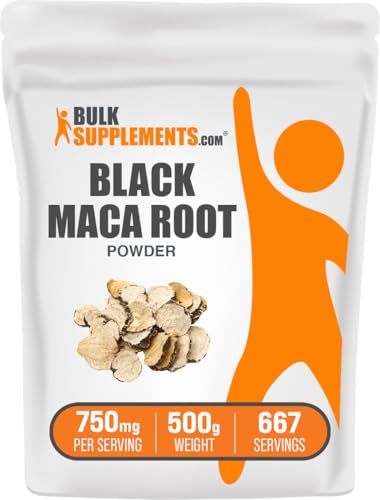
For example, a study on the methanol leaf extract of maca showed antioxidant and neuroprotector effects against specific toxicity in PC12 cells [3]. Other animal research has also investigated maca’s potential in contexts involving oxidative stress, such as its attenuation of chronic oxidative stress-induced testicular and epididymal dysfunction in rabbits [4] and its anti-fatigue effects related to preventing mitochondria-mediated muscle damage and oxidative stress in vivo and vitro [5]. Additionally, research on male Wistar rats indicated that Lepidium meyenii targeted oxidative stress and pro-inflammatory cytokines in MSG-induced subfertility [6]. While these studies are not directly on human stress and anxiety, they provide a basis for understanding maca’s broader biological activities, which may indirectly contribute to overall well-being and stress resilience.
Considerations for Midlife Women
For women in midlife, managing stress and anxiety often involves a multi-faceted approach, including lifestyle adjustments, mindful practices, and sometimes professional support. Incorporating traditional herbs like maca root could be part of a broader wellness strategy. While direct, large-scale human clinical trials specifically on maca’s impact on stress and anxiety in menopausal women are still limited, the existing research, primarily from animal and in vitro studies, offers preliminary insights into its potential mechanisms.
It’s important to approach these findings with a balanced perspective. The effects observed in animal models or cell cultures do not always directly translate to human experiences. However, the adaptogenic classification of maca and its observed effects on stress responses and oxidative balance in various studies suggest areas for future research in human populations, particularly those experiencing midlife transitions.
References
- Antidepressant-like behavioral, anatomical, and biochemical effects of petroleum ether extract from maca (Lepidium meyenii) in mice exposed to chronic unpredictable mild stress. Journal of medicinal food, 2014
- Lepidium peruvianum chacon restores homeostasis impaired by restraint stress. Phytotherapy research : PTR, 2004
- Antioxidant and neuroprotector effect of Lepidium meyenii (maca) methanol leaf extract against 6-hydroxy dopamine (6-OHDA)-induced toxicity in PC12 cells. Toxicology mechanisms and methods, 2017
- Attenuation of Chronic Oxidative Stress-Induced Testicular and Epididymal Dysfunction by Oral Intake of Lepidium meyenii in New Zealand Rabbits. Journal of animal physiology and animal nutrition, 2025
- Anti-fatigue effect of Lepidium meyenii Walp. (Maca) on preventing mitochondria-mediated muscle damage and oxidative stress in vivo and vitro. Food & function, 2021
- The effects of Lepidium meyenii on MSG-induced subfertility in male Wistar rats: Targeting oxidative stress, pro-inflammatory cytokines, steroidogenic enzymes, and reproductive hormones regulation. Heliyon, 2025
These statements have not been evaluated by the Food and Drug Administration. This information is not intended to diagnose, treat, cure, or prevent any disease. Content is for informational purposes only and is not medical advice; consult a qualified healthcare provider before starting any supplement. As an Amazon Associate we earn from qualifying purchases.
