Ready to buy? Check current prices on Amazon and compare deals before you decide.
As women navigate midlife and menopause, changes in skin health, including concerns about elasticity and the appearance of aging, are common. Many look for natural approaches to support skin vitality during this time. Maca root, a plant native to the Peruvian highlands, has gained attention for its potential wellness benefits, and some are curious about its role in skin health.
This article will explore the current, albeit limited, scientific understanding of how maca root might support skin health, focusing on aspects related to elasticity and the visible signs of aging. We will review the available evidence to provide a balanced perspective on what is currently known.
Understanding Skin Changes in Midlife and Menopause
During midlife and menopause, hormonal shifts can significantly influence skin structure and function. Collagen and elastin, crucial proteins for skin’s firmness and elasticity, tend to decrease. This can lead to a reduction in skin’s ability to bounce back, increased dryness, and the more noticeable appearance of fine lines and wrinkles. Environmental factors, such as sun exposure, also play a significant role in accelerating these changes.
Maintaining skin health during this period often involves a multi-faceted approach, including hydration, protection from environmental stressors, and supporting the body’s natural processes. Exploring botanical extracts like maca root is an area of ongoing interest for their potential contributions to skin wellness [1].
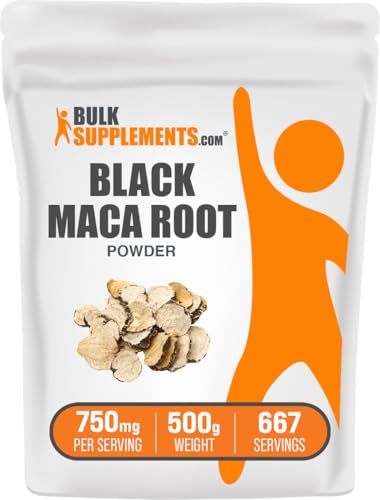
Maca Root’s Nutritional Profile and Skin Support
Maca (Lepidium meyenii) is recognized for its rich nutritional composition, which includes various beneficial compounds. These include amino acids, vitamins (such as C and E), minerals, fatty acids, and a diverse array of phytochemicals like polyphenols and glucosinolates [2]. These constituents contribute to maca’s overall profile as a plant with potential health-supporting properties.
While maca root is not a direct source of collagen or elastin, its nutritional components may indirectly support skin health. For example, some compounds found in maca, such as polyphenols, are recognized for their antioxidant properties. Antioxidants can help protect cells from oxidative stress, which is a factor in skin aging [3].
Maca Root and Skin Elasticity: Early Research
The concept of supporting skin elasticity with botanical extracts is an area of active research. While direct human studies specifically on maca root’s impact on skin elasticity in midlife women are limited, some preliminary research offers insights into its potential mechanisms. For instance, some plant compounds, including those found in maca, are being investigated for cosmetic applications [4].
It is important to note that the current evidence is not sufficient to claim that maca root directly improves skin elasticity in humans. Most research in this area is foundational or involves in vitro and animal models. More targeted human studies are needed to understand any specific effects on skin elasticity.
Maca Root and Signs of Aging: Emerging Findings
When considering maca root’s potential influence on the visible signs of aging, the focus often turns to its reported antioxidant and anti-inflammatory properties, which may indirectly support skin health. Oxidative stress and inflammation are known contributors to skin aging. By helping to modulate these processes, certain plant compounds might contribute to a healthier skin appearance.
One study on male mice indicated that red maca (Lepidium meyenii) promoted skin wound healing both at sea level and at high altitude [5]. While wound healing is a different aspect of skin health than reducing visible signs of aging, this research suggests maca may have some biological activity related to skin repair processes. However, these findings in mice cannot be directly extrapolated to anti-aging effects in human skin.
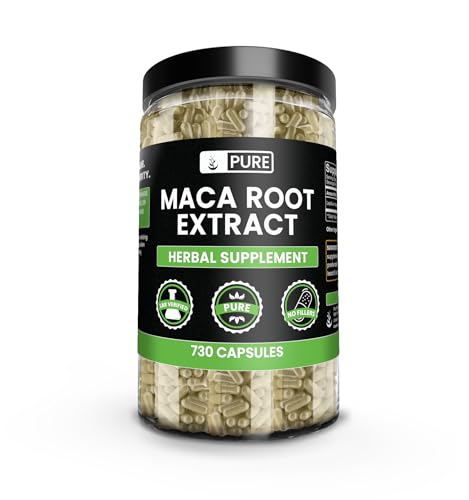
How Maca Root Might Support Skin Health (Indirectly)
While direct evidence for maca root as a ‘skin anti-aging’ solution is limited, its potential benefits for skin health may come from its overall supportive effects on the body. A well-nourished body often translates to healthier-looking skin. The presence of vitamins, minerals, and antioxidants in maca could contribute to general wellness, which in turn might reflect in skin vitality [2].
Additionally, some botanical extracts are being explored for their potential to offer protective effects against environmental stressors, which contribute to skin aging [1]. While research is ongoing for maca in this specific context, its rich phytochemical profile suggests areas for future investigation.
What the Evidence Tells Us (and What It Doesn’t)
Currently, scientific evidence directly supporting maca root as a proven solution for improving skin elasticity or reducing specific signs of aging in women during midlife and menopause is limited. Much of the understanding is based on its general nutritional profile, antioxidant potential, and some preliminary animal studies. There are no large-scale human clinical trials demonstrating these specific skin benefits.
It’s important to approach claims about ‘maca root skin anti-aging’ with a balanced perspective. While maca is a nutritious food with potential general health benefits, more research, particularly human trials, is needed to confirm any direct and significant effects on skin elasticity, collagen production, or the visible reduction of aging signs.


References
- Botanical extracts as anti-aging preparations for the skin: a systematic review. Drugs & aging, 2010
- Chemical composition and health effects of maca (Lepidium meyenii). Food chemistry, 2019
- Polyphenols and Sunburn. International journal of molecular sciences, 2016
- Lepidium peruvianum as a Source of Compounds with Anticancer and Cosmetic Applications. International journal of molecular sciences, 2024
- Red Maca (Lepidium meyenii), a Plant from the Peruvian Highlands, Promotes Skin Wound Healing at Sea Level and at High Altitude in Adult Male Mice. High altitude medicine & biology, 2017
These statements have not been evaluated by the Food and Drug Administration. This information is not intended to diagnose, treat, cure, or prevent any disease. Content is for informational purposes only and is not medical advice; consult a qualified healthcare provider before starting any supplement. As an Amazon Associate we earn from qualifying purchases.
