Ready to buy? Check current prices on Amazon and compare deals before you decide.
Navigating midlife often brings shifts in energy levels and overall vitality. Many women seek natural approaches to support their well-being during this phase, including during menopause. Among the botanicals often discussed for these purposes are maca root and ginseng.
This article will explore what current evidence suggests about maca root and ginseng, focusing on their potential roles in supporting energy and vitality. We will compare their reported effects to help you understand their differences and similarities, grounded in available research.
Understanding Maca Root: A Brief Overview
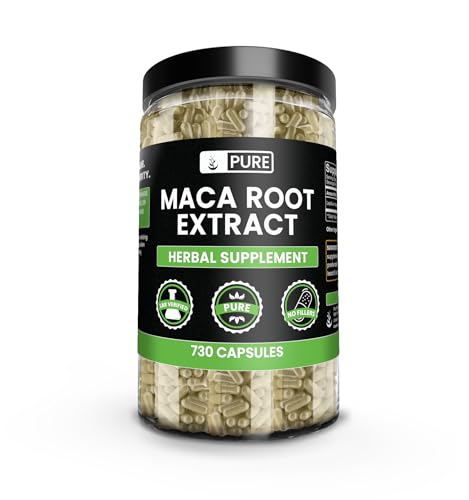
Maca root (Lepidium meyenii) is a cruciferous vegetable native to the Andes Mountains of Peru. Traditionally, it has been consumed as a food source and for its perceived health-supporting properties. Different colors of maca root exist, each with slightly varied nutritional profiles.
While maca root is often associated with adaptogenic qualities, meaning it may help the body adapt to stressors, the specific mechanisms by which it might influence energy and vitality are still being explored. The quality control of alkaloid content in maca-containing products is an area of ongoing research, with new methods being validated to ensure consistency in dietary supplements [1].
Understanding Ginseng: A Brief Overview
Ginseng is a term that generally refers to plants in the genus Panax, with the most commonly studied varieties being Panax ginseng (Asian ginseng) and Panax quinquefolius (American ginseng). Ginseng has a long history of use in traditional medicine, particularly in Asian cultures, where it is valued for its potential to enhance overall well-being.
Like maca, ginseng is often considered an adaptogen. Its active compounds, called ginsenosides, are believed to contribute to its potential effects on the body. Research has explored ginseng’s role in various aspects of health, including its potential influence on cognitive function and energy.
Maca Root and Energy in Midlife
For women in midlife experiencing dips in energy, maca root is often discussed as a potential natural support. While specific, large-scale studies directly comparing maca’s energy effects to a placebo in midlife women are still emerging, some research suggests a general role for dietary ingredients in mental energy. A recent scoping review highlighted the importance of randomized controlled trials in understanding the role of various dietary ingredients in mental energy [2].
It’s thought that maca’s potential to support vitality may stem from its nutritional profile and unique compounds. However, more targeted research is needed to fully understand how maca root specifically impacts energy levels and vitality during midlife and menopause. The ongoing development of robust methods for quality control of maca’s active compounds, such as alkaloids, is important for ensuring consistent product quality in dietary supplements [1].
Ginseng and Energy in Midlife
Ginseng has been more extensively studied for its potential effects on energy and fatigue compared to maca root. Research, including some randomized controlled trials, has investigated various forms of ginseng for their potential to support energy levels. The mechanisms are thought to involve its impact on the central nervous system and metabolic processes.

Similar to maca, ginseng is often categorized as an adaptogen, which may contribute to its perceived benefits for managing fatigue and supporting overall vitality. The specific effects can vary depending on the type of ginseng and the individual. While there’s a broader body of research on ginseng’s impact on energy, direct comparisons in midlife women specifically navigating menopausal symptoms are still an area where more dedicated research would be beneficial.
Maca Root vs. Ginseng: A Comparative Look for Midlife Vitality
When considering maca root vs. ginseng for energy and vitality in midlife, both botanicals offer potential benefits, but with different levels of research backing. Ginseng generally has a more substantial body of research regarding its effects on energy and fatigue. Maca root, while gaining popularity, has a more nascent research profile, particularly concerning its specific impact on energy in midlife women. However, the importance of robust research methods for dietary ingredients, including those for mental energy, is increasingly recognized [2].
Both are considered adaptogens, suggesting they may help the body cope with various stressors. The choice between them may come down to individual preference, specific concerns, and consultation with a healthcare professional. Quality control for both, particularly for maca with its alkaloid content, is crucial for ensuring product consistency and potential effectiveness [1].
Neither should be seen as a substitute for a balanced diet, regular physical activity, and adequate sleep, which remain foundational for sustained energy and vitality during midlife and menopause.
References
- UPLC-TQD-MS/MS Method Validation for Quality Control of Alkaloid Content in Lepidium meyenii (Maca)-Containing Food and Dietary Supplements. ACS omega, 2024
- The Role of Dietary Ingredients in Mental Energy – A Scoping Review of Randomized Controlled Trials. Journal of the American Nutrition Association, 2024
These statements have not been evaluated by the Food and Drug Administration. This information is not intended to diagnose, treat, cure, or prevent any disease. Content is for informational purposes only and is not medical advice; consult a qualified healthcare provider before starting any supplement. As an Amazon Associate we earn from qualifying purchases.
