Ready to buy? Check current prices on Amazon and compare deals before you decide.
Navigating perimenopause often involves exploring various options to support well-being. Among the natural approaches, maca root and black cohosh are two botanicals that women sometimes consider for managing the shifts that occur during this time.
This article aims to provide an evidence-based comparison of maca root and black cohosh, focusing on what current research suggests regarding their potential roles in perimenopause. It’s important to approach such comparisons with a clear understanding of the existing scientific evidence, which for both, remains limited.
Understanding Perimenopause and its Symptoms
Perimenopause is the transitional phase leading up to menopause, often characterized by fluctuating hormone levels, particularly estrogen. This period can last for several years and may bring about a range of experiences, including irregular menstrual cycles, hot flashes, night sweats, mood changes, sleep disturbances, and vaginal dryness.
These shifts are a natural part of the aging process, but for many women, the associated symptoms can impact daily life and overall comfort. Exploring ways to support the body through these changes is a common focus for women in midlife.
Maca Root: Potential for Perimenopausal Support
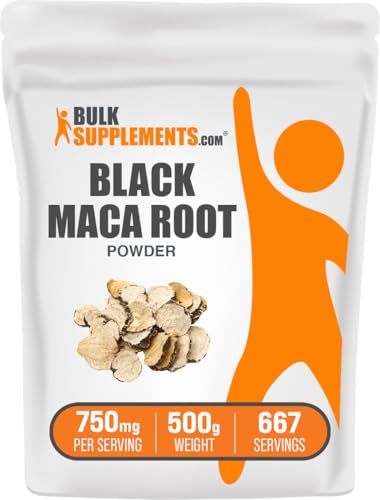
Maca root (Lepidium meyenii) is a plant native to the Andes mountains of Peru, traditionally used for its nutritional and adaptogenic properties. It is often consumed as a powder or supplement.
Regarding perimenopause, some women report using maca to help with symptoms such as mood swings and energy levels. While anecdotal reports exist, the scientific evidence specifically on maca root’s effectiveness for perimenopausal symptoms is limited[1]. More robust research is needed to fully understand its potential benefits and mechanisms of action in this context.
Black Cohosh: Traditional Use and Research for Menopausal Symptoms
Black cohosh (Actaea racemosa or Cimicifuga racemosa) is a perennial plant native to North America, historically used by Native Americans. It has gained popularity as a botanical for managing menopausal symptoms, particularly hot flashes.
While black cohosh has been the subject of more studies than maca root regarding menopausal symptoms[2][1], the overall evidence on its effectiveness for hot flashes and other perimenopausal experiences remains limited and somewhat inconsistent[2]. Some studies suggest it may offer some relief for certain women, but other research has not found a significant benefit. The mechanisms through which black cohosh might exert its effects are not fully understood, and more definitive research is required.
Comparing Maca Root and Black Cohosh: What the Evidence Suggests
When comparing maca root and black cohosh for perimenopause, it’s crucial to acknowledge the limited nature of the current scientific evidence for both. Neither botanical has been definitively proven as a widely effective intervention for perimenopausal symptoms.
Maca root’s potential benefits are often discussed in terms of supporting overall vitality and mood, rather than directly addressing specific vasomotor symptoms like hot flashes. Black cohosh, on the other hand, has been more specifically investigated for hot flashes, although with mixed results. There is currently no strong, conclusive evidence to suggest one is clearly superior to the other for the broad range of perimenopausal experiences.
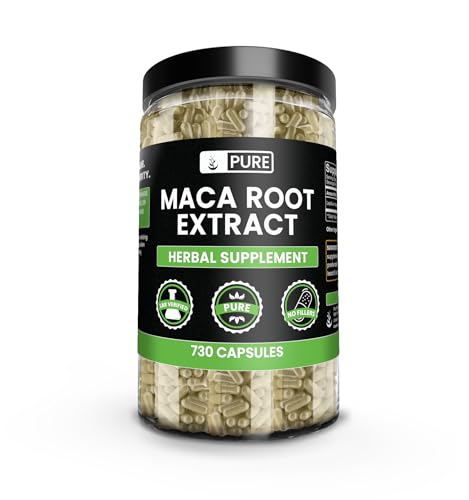
The decision to consider either maca root or black cohosh for perimenopausal support should be made with an understanding that the scientific backing is still developing and that individual responses can vary greatly.
Safety Considerations and Potential Side Effects
As with any supplement, understanding potential safety considerations and side effects is important. Both maca root and black cohosh are generally considered safe for most people when consumed in appropriate amounts, but they are not without potential concerns.
Maca root is typically well-tolerated, but some individuals may experience mild digestive upset. Black cohosh has been associated with potential liver concerns in rare cases, although a causal link is not definitively established. Other reported side effects for black cohosh include gastrointestinal upset, headache, and dizziness.
It is always advisable to discuss any new supplement with a healthcare provider, especially if you have pre-existing health conditions or are taking other medications, to ensure it is appropriate for your individual circumstances and to minimize the risk of interactions or adverse effects.
References
- Maca (Lepidium meyenii) for treatment of menopausal symptoms: A systematic review. Maturitas, 2011
- Black cohosh (Cimicifuga spp.) for menopausal symptoms. The Cochrane database of systematic reviews, 2012
These statements have not been evaluated by the Food and Drug Administration. This information is not intended to diagnose, treat, cure, or prevent any disease. Content is for informational purposes only and is not medical advice; consult a qualified healthcare provider before starting any supplement. As an Amazon Associate we earn from qualifying purchases.
