Ready to buy? Check current prices on Amazon and compare deals before you decide.
Navigating midlife and menopause brings a range of physiological changes, and for many women, shifts in sexual desire can be a significant concern. While these changes are a natural part of aging, understanding potential supportive approaches can be helpful. This article explores the current evidence regarding maca root and its potential influence on female libido during this life stage.
Maca root (Lepidium meyenii) is a plant native to the Andes mountains, traditionally used for various purposes. As interest in natural approaches for well-being grows, maca has garnered attention for its potential to support sexual function. We’ll delve into what the research suggests about maca root for women experiencing changes in libido during midlife and menopause.
Understanding Changes in Female Libido During Midlife and Menopause
Midlife and the menopausal transition are characterized by fluctuating and eventually declining hormone levels, particularly estrogen. These hormonal shifts, alongside other factors such as stress, fatigue, and relationship dynamics, can contribute to changes in sexual desire and function. It’s a common experience, and many women seek ways to maintain their sexual well-being during this time. While hormone therapy is one option, some women explore complementary approaches.
A decrease in libido, or sexual dysfunction, is a complex issue with multiple potential contributing factors. For women in midlife, this can range from reduced desire to difficulties with arousal or satisfaction. Understanding the multifaceted nature of these changes is important when considering any potential supportive intervention.

Maca Root: A Traditional Botanical for Well-being
Maca root has a long history of traditional use in Peru for its purported benefits related to energy, stamina, and fertility. It’s considered a ‘superfood’ by some due to its nutritional profile, which includes vitamins, minerals, amino acids, and beneficial plant compounds. The part of the plant most commonly used is the hypocotyl, which is dried and often consumed in powdered form.
The exact mechanisms by which maca root might exert its effects are not fully understood, but research suggests it may work through pathways that do not directly involve estrogen or androgen levels. This is a key distinction, as many traditional approaches to libido support often focus on hormonal modulation. Its unique composition is thought to contribute to its adaptogenic properties, helping the body to adapt to various stressors.
Research Findings on Maca Root and Female Libido
Several studies have investigated maca root’s potential influence on sexual function, including in women experiencing midlife and menopause. A systematic review published in 2010 noted that maca (L. meyenii) has been reported to improve sexual function [1]. Another overview of systematic reviews from 2011 also highlighted complementary and alternative medicine (CAM) for sexual dysfunction in older women [2].
Specifically, a study published in 2008 examined the effects of maca on psychological symptoms and measures of sexual dysfunction in postmenopausal women. This research found beneficial effects of Lepidium meyenii (Maca) on these measures, and importantly, these effects were not related to estrogen or androgen content [3]. This suggests that maca may act through different pathways than conventional hormone-based approaches.
Furthermore, maca root has also been explored in contexts beyond natural menopausal changes. A double-blind, randomized pilot study in 2008 investigated maca root for the management of SSRI-induced sexual dysfunction [4]. While this specific study focused on a different population, it contributes to the broader understanding of maca’s potential effects on sexual function. A more recent systematic review and meta-analysis from 2025 also looked at pharmacological treatment of antidepressant-induced sexual dysfunction in women [5], indicating ongoing interest in various interventions for sexual function.
Maca Root and Hormonal Balance: What the Evidence Suggests
While some phytoestrogens have been studied for their potential impact on sexual function in menopausal women [6], research on maca root suggests its effects on sexual well-being may be independent of direct hormonal modulation. As mentioned, the 2008 study on postmenopausal women specifically noted that the beneficial effects of maca were not related to estrogen or androgen content [3]. This is a crucial point for women who may be seeking non-hormonal options.
This non-hormonal pathway is often a point of interest for women who prefer to avoid interventions that directly alter hormone levels, or for whom hormonal therapies may not be suitable. The adaptogenic nature of maca is thought to contribute to its overall supportive role in the body’s systems, which may indirectly benefit sexual function.

Considering Maca Root: What to Know
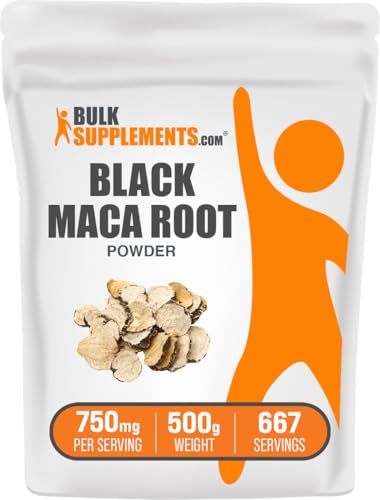
When considering maca root, it’s generally available in various forms, including powder, capsules, and liquid extracts. The dosage and form can vary, and it’s always advisable to follow product instructions or consult with a healthcare provider. The type of maca (e.g., red, black, yellow) is also sometimes discussed, though specific research on their differential effects on libido is still developing.
The existing evidence, while encouraging, primarily consists of smaller studies and reviews. The systematic review from 2010 concluded that maca (L. meyenii) has been reported to improve sexual function, suggesting a potential role [1]. However, as with many botanical supplements, more extensive, large-scale clinical trials are always beneficial to further solidify findings and understand optimal usage.


References
- Maca (L. meyenii) for improving sexual function: a systematic review. BMC complementary and alternative medicine, 2010
- Complementary and alternative medicine (CAM) for sexual dysfunction and erectile dysfunction in older men and women: an overview of systematic reviews. Maturitas, 2011
- Beneficial effects of Lepidium meyenii (Maca) on psychological symptoms and measures of sexual dysfunction in postmenopausal women are not related to estrogen or androgen content. Menopause (New York, N.Y.), 2008
- A double-blind, randomized, pilot dose-finding study of maca root (L. meyenii) for the management of SSRI-induced sexual dysfunction. CNS neuroscience & therapeutics, 2008
- Pharmacological treatment of antidepressant-induced sexual dysfunction in women: A systematic review and meta-analysis of randomized clinical trials. Clinics (Sao Paulo, Brazil), 2025
- Effect of phytoestrogens on sexual function in menopausal women: a systematic review and meta-analysis. Climacteric : the journal of the International Menopause Society, 2018
These statements have not been evaluated by the Food and Drug Administration. This information is not intended to diagnose, treat, cure, or prevent any disease. Content is for informational purposes only and is not medical advice; consult a qualified healthcare provider before starting any supplement. As an Amazon Associate we earn from qualifying purchases.
