Ready to buy? Check current prices on Amazon and compare deals before you decide.
Navigating perimenopause and menopause often brings a range of changes, with hot flashes and night sweats being among the most commonly reported. Many women seek non-pharmacological options to help manage these experiences. Maca root, a plant native to the Andes mountains, has garnered interest for its potential role in supporting women during this life stage.
This article will explore the current evidence regarding maca root and its potential influence on hot flashes and night sweats, focusing on what research suggests. We’ll examine findings from studies while maintaining a careful and evidence-based perspective, acknowledging the nuances of scientific inquiry.
What are Hot Flashes and Night Sweats?
Hot flashes are sudden feelings of intense heat, often accompanied by sweating and flushing, primarily affecting the face, neck, and chest. When they occur during sleep, they are known as night sweats. These vasomotor symptoms are a hallmark of the menopausal transition, thought to be related to fluctuating hormone levels affecting the body’s temperature regulation center. Their frequency and intensity can vary significantly among individuals, impacting quality of life and sleep.
Maca Root: A Brief Overview
Maca (Lepidium meyenii) is a cruciferous vegetable, similar to broccoli or cabbage, that has been cultivated for centuries in the high altitudes of the Peruvian Andes. Traditionally, it has been used for its nutritional value and perceived health benefits. The root of the plant is typically consumed in powdered form. Interest in maca root has grown due to its adaptogenic properties and its potential to support various bodily systems, including hormonal balance, though its precise mechanisms are still being explored [1].
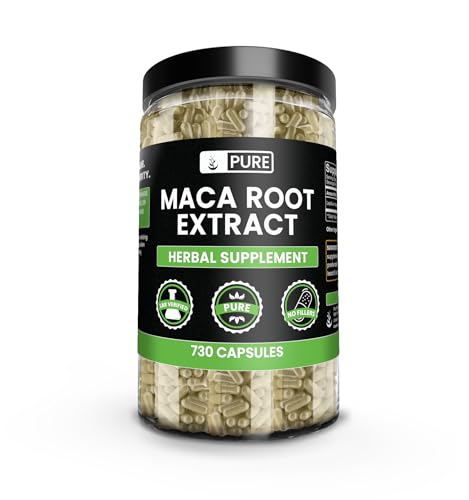
It’s important to note that maca root is not a source of phytoestrogens in the same way that soy or flaxseed are [2]. This distinction is relevant when considering its potential effects on hormone-related symptoms like hot flashes, as its actions may involve different pathways.
Examining the Evidence: Maca Root and Hot Flashes
Several studies have investigated maca root’s potential to influence menopausal symptoms, including hot flashes. A systematic review published in 2011 examined the existing research on maca for menopausal symptoms. It found some evidence suggesting that maca might help with certain menopausal symptoms, though it highlighted the need for more rigorous studies [3].
One pilot study involving early postmenopausal women explored the effects of gelatinized maca over 12 weeks. Participants reported a decrease in the frequency and severity of hot flashes and night sweats [4]. Another clinical pilot study with perimenopausal women also reported a reduction in hot flashes when using pre-gelatinized maca [5]. While these findings are encouraging, it’s important to remember that pilot studies are often small and designed to explore initial potential, rather than to provide definitive conclusions.
A small pilot study in postmenopausal women also observed that maca reduced depression and blood pressure, but the focus was not primarily on hot flashes [6]. While a systematic review and meta-analysis on phytoestrogens and sexual function in menopausal women did not specifically focus on maca, it noted the broader interest in herbal preparations for menopause beyond traditional phytoestrogens [7][2].

The overall body of evidence for maca root’s impact on hot flashes is considered moderate. While some smaller studies suggest a potential benefit, larger, well-designed clinical trials are needed to confirm these initial findings and understand the optimal dosage and duration of use. The exact mechanisms by which maca might influence hot flashes, given its non-phytoestrogenic nature, are still areas of ongoing research.
Safety and Considerations for Maca Root Use
Maca root is generally considered safe for consumption, particularly in the amounts typically found in dietary supplements. However, like any supplement, it’s not without potential considerations. While traditional use supports its safety, current research is still exploring all potential interactions and long-term effects. For instance, one study indicated that a maca root extract could increase the expression of MMP-1 and stimulate the migration of triple-negative breast cancer cells in a laboratory setting [8]. This finding, from an in vitro study, highlights the importance of discussing any supplement use with a healthcare provider, especially for individuals with specific health concerns or conditions.
It’s also worth noting that research on maca has explored other areas, such as its effect on osteoporosis in ovariectomized rats [9] and its nutritional management in surgically induced menopause in a case report [10]. These diverse research interests underscore the breadth of potential applications being investigated for maca root, but they do not directly address hot flashes.
When considering maca root, choosing a high-quality product from a reputable source is important. “Gelatinized” maca is a common form, which means the starch has been removed, potentially making it easier to digest for some individuals [4].


References
- Is the hype around the reproductive health claims of maca (Lepidium meyenii Walp.) justified?. Journal of ethnopharmacology, 2018
- Herbal preparations for the menopause: beyond isoflavones and black cohosh. Maturitas, 2014
- Maca (Lepidium meyenii) for treatment of menopausal symptoms: A systematic review. Maturitas, 2011
- Use of gelatinized maca (lepidium peruvianum) in early postmenopausal women. International journal of biomedical science : IJBS, 2005
- Therapeutic Effects of Pre-Gelatinized Maca (Lepidium Peruvianum Chacon) used as a Non-Hormonal Alternative to HRT in Perimenopausal Women – Clinical Pilot Study. International journal of biomedical science : IJBS, 2006
- Maca reduces blood pressure and depression, in a pilot study in postmenopausal women. Climacteric : the journal of the International Menopause Society, 2015
- Effect of phytoestrogens on sexual function in menopausal women: a systematic review and meta-analysis. Climacteric : the journal of the International Menopause Society, 2018
- Maca Root (Lepidium meyenii) Extract Increases the Expression of MMP-1 and Stimulates Migration of Triple-Negative Breast Cancer Cells. Nutrition and cancer, 2022
- Effect of ethanol extract of Lepidium meyenii Walp. on osteoporosis in ovariectomized rat. Journal of ethnopharmacology, 2006
- Nutritional management of surgically induced menopause: A case report. Women’s health (London, England), 2021
These statements have not been evaluated by the Food and Drug Administration. This information is not intended to diagnose, treat, cure, or prevent any disease. Content is for informational purposes only and is not medical advice; consult a qualified healthcare provider before starting any supplement. As an Amazon Associate we earn from qualifying purchases.
