Ready to buy? Check current prices on Amazon and compare deals before you decide.
As women navigate midlife and the menopausal transition, changes in hair health, including thinning and altered growth patterns, are common concerns. Many seek natural approaches to support their well-being during this time. Maca root, an adaptogenic herb, is often discussed in relation to various aspects of midlife health, and its potential connection to hair health is a topic of interest.
It’s important to approach this topic with a focus on current evidence. While maca root has a long history of traditional use, specific research on its direct impact on human hair growth and thinning, particularly in midlife women, is limited. This article will explore what is currently understood about maca root and its potential, while emphasizing the need for more dedicated research.
Understanding Hair Changes in Midlife and Menopause
Hormonal fluctuations, particularly declining estrogen levels, are a significant factor contributing to hair changes during midlife and menopause. These shifts can influence the hair growth cycle, potentially leading to increased shedding, slower growth, and a reduction in hair density. Other factors like stress, nutritional status, and genetics also play a role in overall hair health during this period.
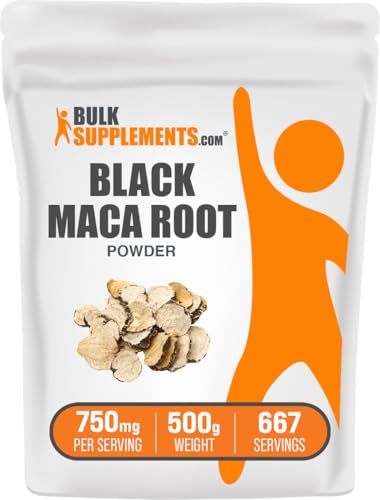
When considering any supplement or natural approach for hair health, it’s beneficial to understand the complex interplay of these factors. While maca root is known for its adaptogenic properties, which may help the body adapt to various stressors, the direct mechanisms by which it might influence hair follicles are not yet clearly established through dedicated human studies.
Maca Root: A Brief Overview
Maca (Lepidium meyenii) is a cruciferous vegetable native to the Andes Mountains of Peru. Traditionally, it has been used for its nutritional value and perceived health benefits, often consumed as a food or supplement. It contains various beneficial compounds, including amino acids, vitamins, minerals, and unique fatty acids called macaenes and macamides.
While some research has explored the effects of related species, such as Lepidium sativum, on various biological processes [1], no published study has examined Lepidium meyenii (maca root) in relation to human hair follicle activity or growth patterns in midlife women. The general adaptogenic properties of maca are often cited as a reason for its potential across various health areas, but this is an indirect association when it comes to hair.


Exploring the Limited Evidence for Maca Root and Hair Health
Currently, there is a lack of direct, high-quality human studies specifically investigating the effects of maca root on hair thinning or growth in midlife women. The existing scientific literature focuses on other aspects of plant biology or related species. For example, some studies discuss root growth in general plant physiology [2] or the isolation of compounds from different plant species [3], but these do not directly address maca root’s impact on human hair.
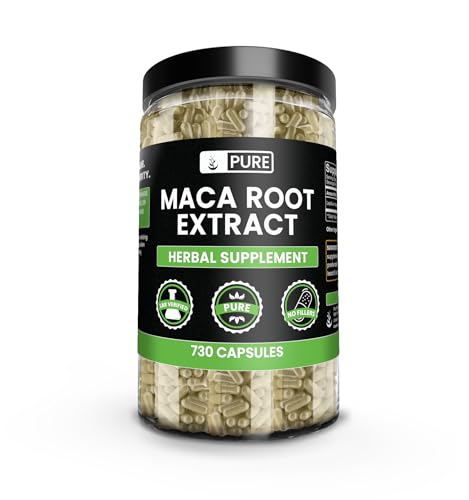
While there is interest in how maca root might support overall well-being during menopause, including potentially indirect benefits that could contribute to a healthy environment for hair, no published trial has tested maca root for hair growth or hair thinning. It is important to distinguish between general wellness support and specific claims about hair regeneration.
What the Research Doesn’t Yet Show
It’s crucial to acknowledge the current gaps in scientific understanding regarding maca root and hair health. No published study has tested whether maca root stimulates hair follicles, reduces hair loss, or improves hair density in humans, whether in midlife, around menopause, or in any other context. Research on plant extracts sometimes investigates effects on specific biological pathways, such as amelioration of hepatic inflammation and insulin response in rats [1], but these findings cannot be directly extrapolated to human hair growth.
Furthermore, general toxicology studies, such as those evaluating the effects of radiation on plants [4], while relevant to understanding plant safety in other contexts, do not offer insights into maca root’s specific effects on human hair health. More targeted research, including clinical trials focusing on women experiencing hair changes during midlife, would be necessary to draw any definitive conclusions.
References
- Effective amelioration of hepatic inflammation and insulin response in high fat diet-fed rats via regulating AKT/mTOR signaling: Role of Lepidium sativum seed extracts. Journal of ethnopharmacology, 2021
- An empirical function for the description of root growth. Plant physiology, 1987
- Isolation, characterization and activity of phytotoxic compounds from quackgrass [Agropyron repens (L.)Beauv]. Journal of chemical ecology, 1987
- Evaluation of toxic and genotoxic effects of low-level 137Cs ionising radiation on plants. Arhiv za higijenu rada i toksikologiju, 2006
These statements have not been evaluated by the Food and Drug Administration. This information is not intended to diagnose, treat, cure, or prevent any disease. Content is for informational purposes only and is not medical advice; consult a qualified healthcare provider before starting any supplement. As an Amazon Associate we earn from qualifying purchases.
