Ready to buy? Check current prices on Amazon and compare deals before you decide.
Perimenopause, the transitional phase leading up to menopause, often brings a range of changes, and one common concern reported by many women is persistent fatigue. This feeling of low energy can impact daily life and overall well-being, prompting interest in natural approaches that might offer support.
Among the various botanicals explored for menopausal well-being, maca root (Lepidium meyenii) has garnered attention. This article will delve into what current research suggests about maca root’s potential role in addressing fatigue experienced during perimenopause, focusing on evidence-based insights rather than speculation.
Understanding Perimenopausal Fatigue
Fatigue during perimenopause isn’t just about feeling tired; it can be a pervasive exhaustion that doesn’t improve with rest. While hormonal fluctuations, particularly in estrogen, are often implicated, other factors like sleep disturbances, stress, and lifestyle can also contribute to this common complaint. Exploring ways to support energy levels during this time is a priority for many women seeking to maintain their quality of life.
What is Maca Root?
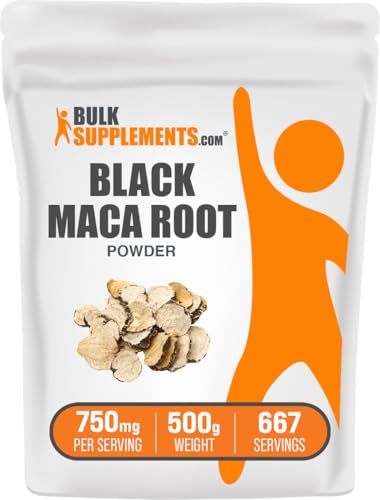
Maca root, derived from the Lepidium meyenii plant native to the Andes mountains of Peru, has a long history of traditional use. It’s often consumed as a food and is known for its adaptogenic properties, meaning it may help the body adapt to various stressors. Different varieties of maca exist, and their chemical composition can vary [1].

The plant’s root contains a complex array of compounds, including alkaloids, macamides, macaenes, and glucosinolates, which are believed to contribute to its potential effects [2][1]. These compounds are the subject of ongoing scientific investigation to better understand maca’s influence on the human body.
Maca Root and Energy: The Current Evidence
While direct, large-scale studies specifically on maca root’s impact on perimenopausal fatigue in humans are still developing, some research offers insights into its broader effects on energy and vitality. It’s important to note that much of the mechanistic research has been conducted in animal models or in vitro, and human studies, where available, are often smaller in scale.
Some research has explored maca’s influence on metabolic markers in animal models. For instance, a study in rats indicated that maca might modulate fat and liver energy metabolism markers such as insulin, IRS1, leptin, and SIRT1 in rats fed normal and high-fat diets [3]. While these findings are interesting for understanding potential biological pathways, they do not directly translate to energy levels or fatigue in perimenopausal women. More research is needed to understand if and how these observations relate to human energy metabolism and fatigue.
The adaptogenic reputation of maca is often linked to its potential to support overall resilience. However, the exact mechanisms by which maca might influence perceived energy or combat fatigue in perimenopausal women require further dedicated human clinical trials. The variability in maca’s chemical composition across different types and processing methods also highlights the need for standardized research approaches to draw clearer conclusions [1].
Considering Maca Root for Perimenopausal Well-being
For women navigating perimenopause and experiencing fatigue, incorporating maca root might be considered as part of a broader wellness strategy, alongside other lifestyle factors like diet, exercise, and stress management. It’s often viewed as a supplement that may support general vitality rather than a specific remedy for fatigue.
While maca is generally considered safe for most people, it’s always advisable to discuss any new supplement with a healthcare provider, especially if you have existing health conditions or are taking other medications. This ensures that it is appropriate for your individual circumstances.
Quality and Safety Considerations for Maca Root
When considering maca root supplements, quality is paramount. The chemical and pharmacological variability of Lepidium meyenii underscores the importance of sourcing reputable products [1]. Consumers should look for products from trusted manufacturers that provide information about their sourcing and testing practices.
It’s also important to be aware of potential contaminants. For example, there has been a documented case of unintentional lead exposure from maca, highlighting the need for careful quality control in supplement production [4]. Ensuring that products are tested for heavy metals and other impurities is a crucial safety measure when choosing a maca supplement.


References
- Exploring the chemical and pharmacological variability of Lepidium meyenii: a comprehensive review of the effects of maca. Frontiers in pharmacology, 2024
- UPLC-TQD-MS/MS Method Validation for Quality Control of Alkaloid Content in Lepidium meyenii (Maca)-Containing Food and Dietary Supplements. ACS omega, 2024
- Maca modulates fat and liver energy metabolism markers insulin, IRS1, leptin, and SIRT1 in rats fed normal and high-fat diets. Archives of physiology and biochemistry, 2023
- Unintentional and Sequential Lead Exposure from a Ceramic Mug and Maca (Lepidium meyenii). Journal of medical toxicology : official journal of the American College of Medical Toxicology, 2018
These statements have not been evaluated by the Food and Drug Administration. This information is not intended to diagnose, treat, cure, or prevent any disease. Content is for informational purposes only and is not medical advice; consult a qualified healthcare provider before starting any supplement. As an Amazon Associate we earn from qualifying purchases.
