Ready to buy? Check current prices on Amazon and compare deals before you decide.
Navigating perimenopause often involves exploring various approaches to support well-being during this transitional phase. Maca root, a plant native to the Andes mountains, has gained attention for its potential role in supporting women’s health during this time. Understanding how maca root has been used in studies can help inform personal choices.
This guide provides an evidence-based overview of maca root dosage, focusing on information relevant to women experiencing perimenopause. We’ll look at amounts used in research and practical considerations, emphasizing that individual responses can vary.
Understanding Maca Root and Perimenopause
Perimenopause is the stage leading up to menopause, marked by hormonal fluctuations that can lead to various changes. While maca root is sometimes discussed in relation to hormonal balance, it’s important to note that studies have not consistently shown it to directly alter serum hormone levels in humans, though some animal studies have observed effects on hormones [1]. Instead, its potential benefits may relate to other mechanisms within the body.
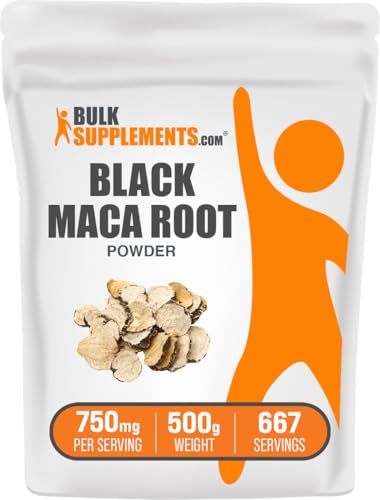
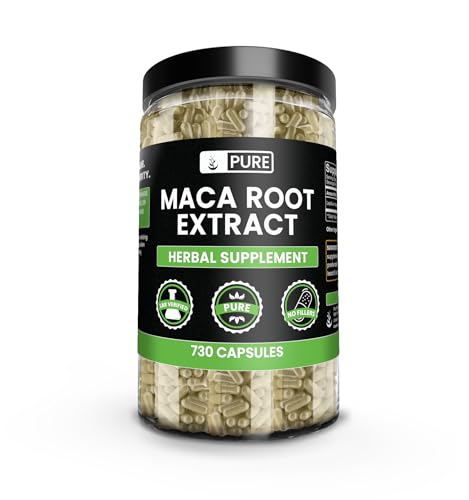
Maca root, specifically Lepidium meyenii, is considered a nutriceutical and has been the subject of research concerning women’s health during the menopausal transition [2]. It’s available in various forms, including powders and capsules, and is often consumed as a dietary supplement.
Typical Maca Root Dosages in Studies
When considering maca root dosage for perimenopause, it’s helpful to review amounts that have been used in research. Many human studies investigating maca’s effects have utilized dosages typically ranging from 1.5 grams to 3 grams per day. For example, a pilot dose-finding study exploring maca root for SSRI-induced sexual dysfunction used doses of 1.5 grams and 3 grams daily [3].
Another review noted that herbal preparations, including maca, have been explored for menopausal symptoms, often in dosages within this range [2]. It is important to recognize that these studies often involve specific populations and research designs, and individual needs may differ.
While specific studies on maca root dosage for perimenopause are limited, the general range observed in related human research provides a starting point for understanding typical consumption levels. The form of maca (e.g., raw, gelatinized) can also influence its properties, though no published trial has compared doses across different maca forms.
Starting and Adjusting Your Maca Root Intake
Based on the available evidence, a common approach when starting a new supplement like maca root is to begin with a lower amount and gradually increase it, if desired and well-tolerated. For instance, some studies have used 1.5 grams daily as an initial dose [3]. This allows the body to adjust and helps in observing individual responses.
It’s generally recommended to monitor how your body responds and adjust the amount accordingly. Some individuals may find benefit at lower doses, while others might prefer higher amounts within the studied range. There is no universally established ‘optimal’ dose for perimenopause, and what works well for one person may not be the same for another.
Considerations for Long-Term Use and Safety
Research has explored both short-term and longer-term use of maca root. Animal studies have investigated physiological responses to dietary maca over extended periods [4]. In human studies, maca has been used for several weeks to months, typically without significant adverse effects reported at the dosages mentioned [3].
Maca root is generally considered to have a good safety profile for most people when consumed in typical dietary amounts. However, individual responses can vary. It’s always advisable to consult with a healthcare provider before starting any new supplement, especially if you have existing health conditions or are taking other medications.
Understanding Different Maca Forms
Maca root is available in several forms, including raw maca powder and gelatinized maca powder. Gelatinization is a process that breaks down starches, which some believe may make maca easier to digest. While some animal research has looked at pre-gelatinized maca [4], the provided human evidence does not specify whether raw or gelatinized forms were exclusively used in dosage studies [3].
The choice between raw and gelatinized maca often comes down to personal preference and digestive sensitivity. Both forms contain the beneficial compounds of maca, but their processing differs. No published trial has compared raw and gelatinized maca head to head, so there is no evidence base for using a different dose for one form over the other.


References
- Effect of ethanolic extract of Lepidium meyenii Walp on serum hormone levels in ovariectomized rats. Indian journal of pharmacology, 2014
- Hormones, herbal preparations and nutriceuticals for a better life after the menopause: part II. Climacteric : the journal of the International Menopause Society, 2015
- A double-blind, randomized, pilot dose-finding study of maca root (L. meyenii) for the management of SSRI-induced sexual dysfunction. CNS neuroscience & therapeutics, 2008
- Short and long-term physiological responses of male and female rats to two dietary levels of pre-gelatinized maca (lepidium peruvianum chacon). International journal of biomedical science : IJBS, 2006
These statements have not been evaluated by the Food and Drug Administration. This information is not intended to diagnose, treat, cure, or prevent any disease. Content is for informational purposes only and is not medical advice; consult a qualified healthcare provider before starting any supplement. As an Amazon Associate we earn from qualifying purchases.
