Ready to buy? Check current prices on Amazon and compare deals before you decide.
Maca root, a plant native to the high altitudes of the Peruvian Andes, has gained attention for its potential wellness benefits, particularly for women navigating midlife and menopause. As with many botanicals, the journey from farm to supplement can significantly influence the final product’s characteristics and potential effects.
Understanding the various stages of maca root cultivation and processing is crucial for consumers seeking to make informed choices. This article explores how different agricultural practices and preparation methods may affect maca’s composition and potency.
The Unique Environment of Maca Cultivation
Maca (Lepidium meyenii) thrives in the harsh, high-altitude conditions of the Peruvian Andes, typically at elevations between 3,500 and 4,500 meters (approximately 11,500 to 14,800 feet) [1][2]. This challenging environment, characterized by intense sunlight, strong winds, and extreme temperature fluctuations, is believed to contribute to the plant’s unique phytochemical profile [1].
The soil composition and climate in these regions play a role in the development of maca’s bioactive compounds. Traditional cultivation practices, often involving crop rotation and minimal chemical intervention, are still common in the native growing areas [2]. The specific environmental stressors faced by maca at these altitudes are thought to influence the concentration of beneficial compounds within the root [1].

Maca Root Colors and Their Potential Distinctions
Maca roots are not uniformly colored; they can vary significantly in hue, including yellow, red, black, and purple, among others [3][1]. These color variations are not merely aesthetic; they may correlate with differences in the root’s chemical composition and potential biological activities [3].
For instance, red maca has been noted for its higher concentration of glucosinolates compared to yellow maca, while black maca may contain a higher concentration of certain polysaccharides [3]. These distinctions suggest that the specific color of maca chosen for a supplement could influence its potential effects. Yellow maca is the most commonly cultivated and commercially available variety [3].

Traditional Drying Methods: Sun-Drying’s Role
After harvest, maca roots are traditionally sun-dried for several weeks to months in the Andean highlands [1]. This slow, natural drying process is a critical step in preparing the root for consumption and further processing. Sun-drying is thought to be more than just moisture removal; it may facilitate enzymatic reactions and chemical changes that contribute to the development of maca’s characteristic flavor and potentially its beneficial compounds [1].
The controlled exposure to sunlight and air during drying is important. Improper or rushed drying methods, such as high-heat artificial drying, could potentially degrade sensitive compounds or alter the root’s phytochemical profile, potentially affecting its potency [1]. The traditional methods are often seen as integral to preserving the root’s natural qualities.
Processing for Absorption: Gelatinization Explained
Raw maca root contains starch, which can be difficult for some individuals to digest [1]. To address this, many maca supplements undergo a process called gelatinization. Gelatinization is not about adding gelatin; rather, it involves heating the dried maca roots under pressure to remove the starch content [1].
This process breaks down the complex starch molecules, making the maca powder more concentrated and potentially easier to digest for some individuals [1]. While gelatinization removes starch, it is generally understood to preserve or even concentrate the non-starch active compounds, such as macaenes, macamides, and glucosinolates, which are believed to contribute to maca’s potential benefits [1][4]. However, some very heat-sensitive compounds might be affected, so the specific temperature and duration of gelatinization are important factors.
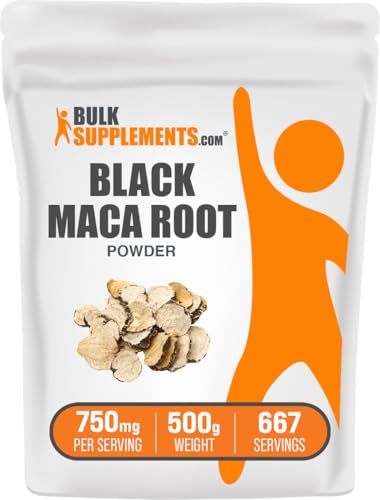
Extracts vs. Whole Root Powder
Maca supplements are available in various forms, including whole root powder (raw or gelatinized) and extracts. Extracts are typically concentrated forms where specific compounds are isolated or concentrated from the maca root [5]. The extraction method used can significantly influence the final product’s composition.
While extracts may offer a higher concentration of certain compounds, the whole root powder contains the full spectrum of maca’s naturally occurring constituents, which may work synergistically [5][6]. The choice between whole root powder and an extract often depends on the desired concentration of specific compounds and individual preferences for a ‘full spectrum’ product versus a more targeted approach.

Quality Control and Standardization
The diverse nature of maca root, from its cultivation environment to processing methods, underscores the importance of quality control and standardization in supplement production [3]. Reputable manufacturers often implement rigorous testing to ensure the identity, purity, and potency of their maca products.
Factors such as the absence of contaminants, accurate labeling of maca color, and verification of processing methods contribute to a high-quality supplement [3]. Consumers may consider looking for products that provide transparency about their sourcing, cultivation practices, and processing techniques to help ensure they are receiving a product consistent with their expectations.
References
- Medicinal effects of Peruvian maca (Lepidium meyenii): a review. Food & function, 2020
- Lepidium meyenii (Maca): a plant from the highlands of Peru–from tradition to science. Forschende Komplementarmedizin (2006), 2009
- Not All Maca Is Created Equal: A Review of Colors, Nutrition, Phytochemicals, and Clinical Uses. Nutrients, 2024
- Lepidium meyenii (Maca) Roots: UPLC-HRMS, Molecular Docking, and Molecular Dynamics. ACS omega, 2022
- [Research and application progress of Lepidium meyenii(maca)]. Zhongguo Zhong yao za zhi = Zhongguo zhongyao zazhi = China journal of Chinese materia medica, 2018
- Is the hype around the reproductive health claims of maca (Lepidium meyenii Walp.) justified?. Journal of ethnopharmacology, 2018
These statements have not been evaluated by the Food and Drug Administration. This information is not intended to diagnose, treat, cure, or prevent any disease. Content is for informational purposes only and is not medical advice; consult a qualified healthcare provider before starting any supplement. As an Amazon Associate we earn from qualifying purchases.
