Ready to buy? Check current prices on Amazon and compare deals before you decide.
As women navigate the transition through perimenopause and into postmenopause, various health and wellness considerations may arise. Many explore natural options to support their well-being during this stage of life. Maca root (Lepidium meyenii) is one such botanical that has garnered interest, with some research suggesting potential benefits.
While much of the discussion around maca root often focuses on perimenopausal symptoms, there’s growing curiosity about its role in the years following the final menstrual period. This article will explore the current, albeit limited, evidence regarding maca root’s potential postmenopause benefits for women’s health.
Understanding Postmenopause and Hormonal Shifts
Postmenopause officially begins 12 months after a woman’s last menstrual period. During this phase, the ovaries have largely ceased producing estrogen and progesterone, leading to consistently low hormone levels. These significant hormonal shifts can influence various bodily systems and aspects of health.
While some of the more acute symptoms experienced during perimenopause, such as hot flashes, may lessen over time, other considerations, including bone density and mood, can remain important aspects of health management in postmenopause. Exploring supportive measures that align with individual health goals is a common approach for many women.
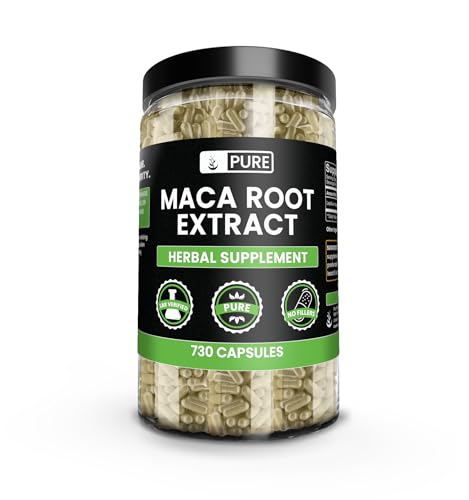
Maca Root and Hormonal Balance: A Nuanced Perspective
Maca root is often discussed in relation to its potential influence on hormonal balance. However, it’s important to understand that maca is not considered a phytoestrogen [1]. Phytoestrogens are plant compounds that can mimic estrogen in the body, which is a different mechanism than what is typically attributed to maca.
Instead, research suggests that maca may act through other pathways. For instance, an ethanolic extract of Lepidium meyenii Walp was observed to affect serum hormone levels in ovariectomized rats, suggesting a potential influence on the endocrine system in an animal model [2]. This indicates a complex interaction that is still being explored and is not a direct estrogen replacement.


Potential Support for Mood and Well-being
Changes in mood, including feelings of anxiety or low mood, can be experienced by some women during and after the menopausal transition. Some research has explored maca’s potential role in supporting psychological well-being. A systematic review noted that maca may have a role in addressing menopausal symptoms, which can include mood-related aspects [3].
While this review broadly covers menopausal symptoms, and specific evidence for postmenopause is still emerging, the potential for maca to contribute to a sense of well-being is an area of ongoing interest. It’s important to remember that individual experiences can vary significantly.

Exploring Bone Health Considerations
Maintaining bone density is a significant health consideration for women in postmenopause due to the decline in estrogen, which plays a protective role in bone health. Early research in animal models has investigated maca’s potential impact on bone health.
For example, an ethanol extract of Lepidium meyenii Walp was studied for its effect on osteoporosis in ovariectomized rats [4]. Ovariectomized rats are often used as a model for postmenopausal bone loss. The findings from such studies suggest a potential area for further investigation regarding maca’s role in supporting bone health, though these are preclinical findings and not directly applicable to human health outcomes .
Sexual Function and Postmenopause
Changes in sexual function, including libido, can be a concern for some women in postmenopause. While phytoestrogens have been systematically reviewed for their effect on sexual function in menopausal women [5], maca is not typically classified as a phytoestrogen [1].
However, some broader reviews considering menopausal symptoms have included discussions of maca’s potential role in areas that might indirectly relate to sexual well-being, such as mood and energy [3]. The specific evidence for maca root directly influencing sexual function in postmenopausal women, independent of other factors, remains limited and warrants further dedicated research.
References
- Hormones, herbal preparations and nutriceuticals for a better life after the menopause: part II. Climacteric : the journal of the International Menopause Society, 2015
- Effect of ethanolic extract of Lepidium meyenii Walp on serum hormone levels in ovariectomized rats. Indian journal of pharmacology, 2014
- Maca (Lepidium meyenii) for treatment of menopausal symptoms: A systematic review. Maturitas, 2011
- Effect of ethanol extract of Lepidium meyenii Walp. on osteoporosis in ovariectomized rat. Journal of ethnopharmacology, 2006
- Effect of phytoestrogens on sexual function in menopausal women: a systematic review and meta-analysis. Climacteric : the journal of the International Menopause Society, 2018
These statements have not been evaluated by the Food and Drug Administration. This information is not intended to diagnose, treat, cure, or prevent any disease. Content is for informational purposes only and is not medical advice; consult a qualified healthcare provider before starting any supplement. As an Amazon Associate we earn from qualifying purchases.
