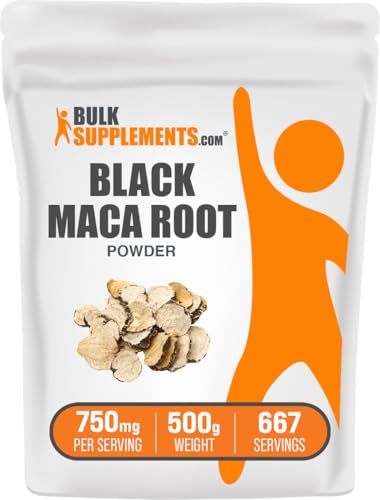
Ready to buy? Check current prices on Amazon and compare deals before you decide.
Navigating perimenopause often brings a range of changes, and for many women, managing body weight can become a more significant consideration. Hormonal fluctuations during this time can influence metabolism, making it challenging to maintain a stable weight.
Maca root, a plant native to the Andes, has garnered interest for its potential adaptogenic properties. While research specifically on maca root’s direct impact on weight management in perimenopausal women is limited, some studies explore its effects on metabolic and physiological parameters that may be relevant to this topic.
Understanding Perimenopause and Metabolic Shifts
Perimenopause is the transitional phase leading up to menopause, characterized by fluctuating hormone levels, particularly estrogen and progesterone. These hormonal shifts can influence various bodily functions, including metabolism, energy regulation, and fat distribution. Women may notice changes in body composition, with a tendency to gain weight, especially around the abdominal area, even without significant changes in diet or activity.

Metabolism is the complex set of chemical processes that occur in the body to maintain life. It involves converting food into energy, building and breaking down proteins, fats, and carbohydrates, and eliminating waste products. During perimenopause, a slower metabolic rate can contribute to the challenges of weight management. Supporting metabolic health through lifestyle and potentially certain dietary additions is an area of growing interest for women in this stage of life.
Maca Root and Potential Metabolic Influences: Early Research
While direct evidence linking maca root to weight loss in perimenopausal women is not available, some early research explores maca’s influence on metabolic parameters in other contexts. For example, a study involving mice fed a high-fat, high-sugar diet investigated the effects of a Lepidium meyenii (maca) supplemented diet. This research indicated that maca modulated neurobehavioral and biochemical parameters in these mice [1]. While this is an animal study and not directly transferable to human weight management, it points to an area of metabolic interest.
Another area of research has looked at maca’s potential to influence oxidative stress. Red maca supplementation was found to prevent acrylamide-induced oxidative stress and liver toxicity in rats [2]. Oxidative stress is a process that can impact cellular function, and its modulation could indirectly relate to overall metabolic health. However, this is also an animal study, and its relevance to weight management in humans during perimenopause requires further investigation.


Maca’s Broader Physiological Effects: What We Know
Maca root has been studied for various other physiological effects, though not directly related to weight. For instance, research has explored its impact on sexual desire in adult healthy men, noting an effect without a direct relationship with serum testosterone levels [3]. Other studies have investigated maca’s effects on testicular function and organ weight in adult rats [4]. These studies highlight the complexity of maca’s biological actions.
More recent research has also identified specific components of maca, such as polysaccharides, and explored their potential immunomodulatory effects by activating the NF-κB signaling pathway [5]. Additionally, there’s early work suggesting Lepidium meyenii Walpers may promote the regeneration of salivary gland and help prevent xerostomia (dry mouth) after irradiation injury [6]. These findings, while not directly about weight, illustrate the diverse biological activities being explored for maca root.
Maca Root and Hormonal Balance: An Indirect Link to Metabolism?
Perimenopause is defined by hormonal fluctuations, and a common theory is that maca root may support the body’s endocrine system, potentially contributing to a sense of balance. While maca is not a hormone itself, and there is no strong evidence it directly alters hormone levels in humans, some believe its adaptogenic qualities might help the body cope with the stresses of hormonal shifts. A more balanced internal environment could, in theory, indirectly support metabolic function, but this connection is largely speculative and lacks direct scientific backing regarding weight management.
It’s important to reiterate that the current evidence does not directly establish maca root as a tool for weight loss or a direct modulator of metabolism in perimenopausal women. The connections drawn are based on observations in animal models or broader physiological effects, which may have indirect relevance but require much more specific human research to confirm any benefits for weight management during perimenopause.

References
- Lepidium meyenii Supplemented Diet Modulates Neurobehavioral and Biochemical Parameters in Mice Fed High-Fat High-Sugar Diet. Endocrine, metabolic & immune disorders drug targets, 2021
- Lepidium meyenii Walp (red maca) Supplementation Prevents Acrylamide-Induced Oxidative Stress and Liver Toxicity in Rats: Phytochemical Composition by UHPLC-ESI-MS/MS. Plant foods for human nutrition (Dordrecht, Netherlands), 2022
- Effect of Lepidium meyenii (MACA) on sexual desire and its absent relationship with serum testosterone levels in adult healthy men. Andrologia, 2002
- Dose-response effects of Lepidium meyenii (Maca) aqueous extract on testicular function and weight of different organs in adult rats. Journal of ethnopharmacology, 2005
- The structures of two polysaccharides from Lepidium meyenii and their immunomodulatory effects via activating NF-κB signaling pathway. International journal of biological macromolecules, 2024
- Lepidium meyenii Walpers Promotes the Regeneration of Salivary Gland and Prevents Xerostomia After Irradiation Injury. Nutrients, 2025
These statements have not been evaluated by the Food and Drug Administration. This information is not intended to diagnose, treat, cure, or prevent any disease. Content is for informational purposes only and is not medical advice; consult a qualified healthcare provider before starting any supplement. As an Amazon Associate we earn from qualifying purchases.
