Ready to buy? Check current prices on Amazon and compare deals before you decide.
Perimenopause, the transitional phase leading up to menopause, often brings a spectrum of changes, and for many women, shifts in mood can be particularly challenging. Experiencing increased irritability, anxiety, and mood swings is a common report during this time, attributed to fluctuating hormone levels.
As women seek ways to navigate these experiences, natural options like maca root are often explored. This article delves into what is known about maca root’s potential role in supporting mood stability and reducing irritability during perimenopause, based on available information.
Understanding Perimenopausal Mood Shifts
The hormonal fluctuations characteristic of perimenopause can significantly impact emotional well-being. Estrogen and progesterone levels, which play key roles in regulating neurotransmitters like serotonin and dopamine, become less predictable. This instability can contribute to feelings of heightened irritability, anxiety, sadness, and more frequent mood swings.
It’s important to recognize that these emotional changes are a physiological response to the body’s natural transition. While they can be disruptive, understanding their root cause can be the first step in seeking supportive strategies.

What is Maca Root?
Maca (Lepidium meyenii) is a root vegetable native to the Andes mountains of Peru, where it has been cultivated for thousands of years[1]. Traditionally, it has been used for its nutritional value and perceived health benefits, often consumed as a food.
The root is typically dried and then processed into a powder, which is the most common form available as a supplement. Maca comes in different varieties, often distinguished by the color of the root, such as yellow, red, or black maca. While all varieties share common properties, some traditional uses suggest specific benefits for different types.
Maca Root and Hormonal Balance: A Complex Picture
Maca root is often discussed in relation to hormonal balance, particularly during perimenopause. However, it’s generally understood that maca does not contain hormones itself[2]. Instead, its potential mechanisms are thought to involve supporting the body’s own endocrine system.
The idea is that maca may help the body adapt to hormonal fluctuations, rather than directly supplying or altering hormone levels. This adaptogenic-like quality is what often draws interest for conditions like perimenopause where the body is undergoing significant internal shifts.

Exploring Maca Root for Mood and Irritability
Interest in maca root for mood support during perimenopause stems from its traditional use and some preliminary research. While specific, large-scale clinical trials focusing solely on maca’s effect on perimenopausal mood swings and irritability are limited, some studies have explored its broader impact on menopausal symptoms[2][3], which often include mood disturbances.
The exact way maca might influence mood is not fully understood, but hypotheses include its potential to support overall vitality and energy, which can indirectly improve mood. Additionally, some theories suggest an interaction with the body’s stress response system, though more research is needed to clarify these pathways.
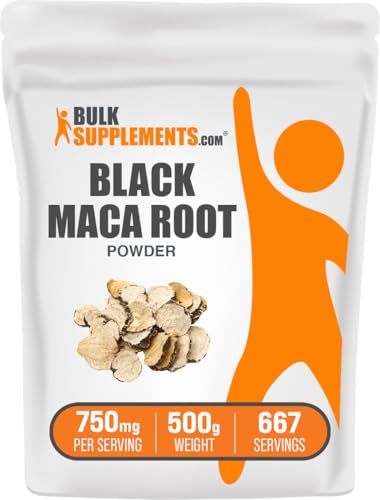
It’s important to approach these possibilities with a measured perspective. While some individuals report positive experiences with maca for mood, individual responses can vary greatly, and the scientific evidence specifically for perimenopausal mood swings and irritability requires further robust investigation.
Considering Maca Root Safely
When considering any supplement, including maca root, safety is paramount. Maca is generally recognized as a food item and has a long history of traditional use. Most healthy individuals tolerate maca well, with few reported side effects[4].
However, potential considerations include mild digestive upset, particularly when starting with higher doses. It’s always advisable to begin with a small dose and gradually increase it, monitoring your body’s response. Choosing a reputable brand that provides high-quality, pure maca powder is also important.
If you have any pre-existing health conditions, are taking medications, or are pregnant or breastfeeding, it is essential to consult with a healthcare professional before adding maca root or any new supplement to your routine. They can provide personalized advice based on your individual health profile.


References
- Is the hype around the reproductive health claims of maca (Lepidium meyenii Walp.) justified?. Journal of ethnopharmacology, 2018
- Beneficial effects of Lepidium meyenii (Maca) on psychological symptoms and measures of sexual dysfunction in postmenopausal women are not related to estrogen or androgen content. Menopause (New York, N.Y.), 2008
- Maca (Lepidium meyenii) for treatment of menopausal symptoms: A systematic review. Maturitas, 2011
- Exploring the chemical and pharmacological variability of Lepidium meyenii: a comprehensive review of the effects of maca. Frontiers in pharmacology, 2024
These statements have not been evaluated by the Food and Drug Administration. This information is not intended to diagnose, treat, cure, or prevent any disease. Content is for informational purposes only and is not medical advice; consult a qualified healthcare provider before starting any supplement. As an Amazon Associate we earn from qualifying purchases.
