For women navigating midlife and menopause, exploring different supplements to support well-being is common. Maca root, a plant native to the Andes, has gained attention for its potential benefits. When considering maca, a frequent question arises: can it be safely combined with other supplements? This practice, often called ‘stacking,’ involves taking multiple supplements together.
Understanding how different compounds might interact within the body is important. While research on maca root is ongoing, particularly regarding its interactions with other supplements, a careful and evidence-based approach is always recommended. This article will explore what is currently understood about maca root and its potential for combination with other dietary supports.
What is Maca Root and Why Consider Stacking?
Maca (Lepidium meyenii) is a cruciferous vegetable, related to broccoli and cabbage, that grows in the high Andes of Peru [1]. The root is typically dried and consumed in powder form. It contains various bioactive compounds, including glucosinolates, macaenes, and macamides [8][7]. These compounds are thought to contribute to maca’s traditional uses and the subject of current scientific investigation [2].
Women in midlife and menopause often seek support for various aspects of health, such as energy, mood, and hormonal balance. It’s not uncommon for individuals to use multiple supplements concurrently to address different needs, leading to the concept of ‘stacking.’ The goal of stacking is often to achieve a more comprehensive effect or to support multiple bodily systems simultaneously.


Maca Root and Drug Metabolism: Initial Insights
One key area of concern when combining supplements or supplements with medications is their potential impact on drug-metabolizing enzymes, particularly cytochrome P450 (CYP) enzymes. These enzymes play a crucial role in breaking down many substances in the body. If a supplement inhibits or induces these enzymes, it could potentially alter how other substances are processed.
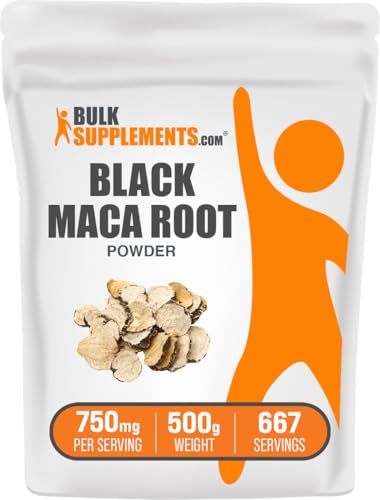
A study investigated the potential for maca to inhibit or induce CYP3A4, a significant CYP enzyme. The findings suggested that maca did not significantly inhibit or induce CYP3A4 activity in the models used [3]. This initial research provides some indication that maca may not strongly interfere with the metabolism of substances processed by this specific enzyme. However, this was an in vitro study, and human clinical data is limited. Further research is needed to fully understand maca’s influence on various drug-metabolizing pathways and its implications for stacking.
Combining Maca with Other Botanicals: Limited Evidence
While there’s interest in combining maca with other plant-based supplements, specific research on these combinations for human health is notably limited. Most studies on maca focus on its effects in isolation. For example, some animal research has explored combinations of botanicals, such as Lepidium sativum (a different species from maca, but in the same genus) with citric acid, observing impacts on liver and kidney functions in rats [4]. However, this does not directly translate to maca root combinations in humans, nor does it address common midlife supplement stacks.
The complexity of botanical compounds means that predicting interactions can be challenging. Each plant contains a unique array of metabolites, and how these might interact when combined is not always straightforward. Without specific human studies on maca root combined with other common midlife supplements, any potential benefits or risks are largely theoretical.
Maca and General Nutritional Support
Many women in midlife take foundational nutritional supplements such as multivitamins, omega-3 fatty acids, or vitamin D. There is no specific evidence to suggest adverse interactions between maca root and these general nutritional supports. Maca itself contains various nutrients, including vitamins and minerals [5].
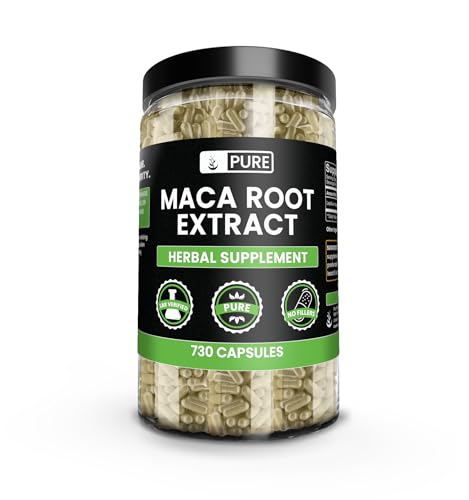
When considering stacking, it’s always prudent to review the overall nutrient intake to avoid excessive amounts of any single vitamin or mineral, though this is less of a concern with whole food-based supplements like maca. The primary focus for general nutritional support is ensuring adequate intake, and maca may contribute to a broader nutrient profile.
Important Considerations for Stacking Supplements
Given the limited specific evidence on maca root stacking, a cautious approach is advised. It’s important to consider the quality of all supplements being used. Third-party testing can help ensure that supplements contain what they claim and are free from contaminants [6].
When introducing any new supplement, whether individually or as part of a stack, it’s wise to start with a lower dose and monitor for any changes or effects. Keeping a record of supplements taken and any observed responses can be helpful. Pay attention to how your body responds and discontinue use if any uncomfortable or unexpected effects occur.
References
- Stem cell induction and plant regeneration are affected by medium components in maca (Lepidium meyenii Walp). Molecular biology reports, 2023
- Combination of a multiplatform metabolite profiling approach and chemometrics as a powerful strategy to identify bioactive metabolites in Lepidium meyenii (Peruvian maca). Food chemistry, 2021
- Screening for CYP3A4 inhibition and induction coupled to parallel artificial membrane permeability assay (PAMPA) for prediction of botanical-drug interactions: The case of açaí and maca. Phytomedicine : international journal of phytotherapy and phytopharmacology, 2019
- Biochemical and Histological Study of the Impact of Combined Lepidium sativum and Citric Acid on Liver and Kidney Functions in Rats. Doklady. Biochemistry and biophysics, 2022
- Lepidium meyenii (Maca) Roots: UPLC-HRMS, Molecular Docking, and Molecular Dynamics. ACS omega, 2022
- Third-Party Testing Nutritional Supplement Knowledge, Attitudes, and Use Among an NCAA I Collegiate Student-Athlete Population. Frontiers in sports and active living, 2020
- (+)-Meyeniins A-C, Novel Hexahydroimidazo[1,5-c]thiazole Derivatives from the Tubers of Lepidium meyenii: Complete Structural Elucidation by Biomimetic Synthesis and Racemic Crystallization. Journal of agricultural and food chemistry, 2017
- Controlling the quality of maca (Lepidium meyenii) dietary supplements: Development of compendial procedures for the determination of intact glucosinolates in maca root powder products. Journal of pharmaceutical and biomedical analysis, 2021
These statements have not been evaluated by the Food and Drug Administration. This information is not intended to diagnose, treat, cure, or prevent any disease. Content is for informational purposes only and is not medical advice; consult a qualified healthcare provider before starting any supplement. As an Amazon Associate we earn from qualifying purchases.
