Many women exploring natural approaches for midlife and menopausal well-being often ask about the best time to take maca root. While specific guidance on optimal timing for maca root is not extensively documented in research, we can consider general principles and anecdotal observations.
This article will explore common approaches to maca root timing – morning, evening, or split doses – and discuss factors that might influence your personal routine. It’s important to remember that individual responses to supplements can vary.
Understanding Maca Root and Its Potential Effects
Maca (Lepidium meyenii) is a root vegetable native to the Andes mountains, traditionally consumed for its nutritional value. In recent years, it has gained attention for its potential to support various aspects of health, particularly for women navigating hormonal shifts during midlife and menopause.
While some research explores compounds in related plants, like Glucotropaeolin-enriched Lepidium sativum L. extract, for their potential in pain modulation [1], direct research on maca root’s optimal timing for specific effects in humans, especially for midlife women, is limited. Therefore, much of the discussion around timing is based on general supplement practices and personal experiences rather than definitive scientific findings.


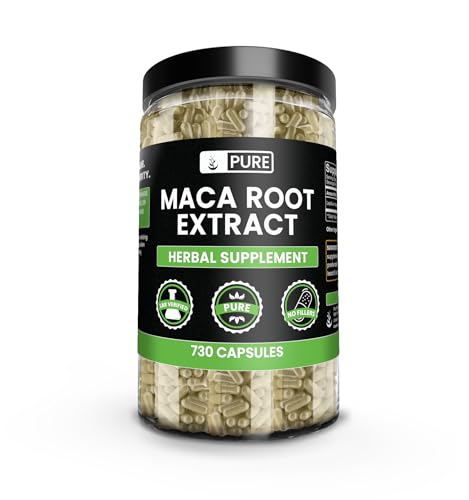
Morning Dosing: A Common Approach
Taking maca root in the morning is a popular choice for many individuals. The rationale often stems from the idea that if maca has any stimulating or energizing properties, taking it early in the day could support daytime vitality without interfering with sleep.

Some users report a sense of sustained energy or focus, which might be more noticeable when ingested with breakfast or shortly thereafter. This timing also aligns with the general practice of taking many nutritional supplements, making it an easy habit to integrate into a daily routine. However, there is no direct research indicating that morning intake specifically enhances maca’s potential benefits over other times of the day.
Evening Dosing: Considerations for Nighttime Support
While less common than morning intake, some individuals might consider taking maca root in the evening. This approach could be explored if the user perceives maca as having a calming or balancing effect that might support nighttime well-being. However, for those who find maca to be energizing, an evening dose could potentially disrupt sleep.
It’s crucial to observe your own body’s response. If you are new to maca root, starting with a morning dose and gradually introducing an evening dose if desired, while monitoring sleep patterns, could be a sensible approach. Again, specific studies on evening maca root intake and its effects on sleep or nighttime symptoms are not readily available.
Split Doses: Distributing Intake Throughout the Day
Another strategy is to divide your daily maca root intake into two or more smaller doses throughout the day. For example, you might take half your daily amount in the morning and the other half in the afternoon. This approach is sometimes favored with supplements to maintain more consistent levels of beneficial compounds in the body, although the necessity or effectiveness of this for maca root is not scientifically established.

Split dosing might also help minimize any potential digestive discomfort that a larger single dose could cause for some sensitive individuals. It allows for flexibility and could be an option if you find a single large dose too potent at one time, or if you wish to extend any perceived benefits throughout your waking hours.
Factors to Consider When Deciding Your Maca Timing
Since scientific evidence on optimal maca timing is limited, personal factors become key. Consider your lifestyle, daily routine, and how your body responds to maca root. If you are sensitive to stimulants, starting with a morning dose and avoiding evening intake might be prudent. If you notice no stimulating effects, or even a sense of calm, evening intake might be an option.
Digestive sensitivity is another factor. Taking maca with food, regardless of the time of day, may help mitigate any potential gastrointestinal upset. It’s always advisable to start with a lower dose and gradually increase it while observing your body’s reactions before settling on a routine. Listening to your body is the most reliable guide in the absence of specific research.
References
- Glucotropaeolin-enriched Lepidium sativum L. extract as a novel phytotherapy for tendinopathy: mechanistic insights into pain modulation. Biomedicine & pharmacotherapy = Biomedecine & pharmacotherapie, 2026
These statements have not been evaluated by the Food and Drug Administration. This information is not intended to diagnose, treat, cure, or prevent any disease. Content is for informational purposes only and is not medical advice; consult a qualified healthcare provider before starting any supplement. As an Amazon Associate we earn from qualifying purchases.
