Ready to buy? Check current prices on Amazon and compare deals before you decide.
Navigating midlife often brings shifts in metabolism and body composition, which can contribute to challenges with weight management. Many women in perimenopause and menopause look for ways to support their well-being naturally.
Maca root (Lepidium meyenii) is a plant traditionally used for various purposes, and its potential influence on metabolic health is an area of growing interest, particularly in the context of the changes women experience during midlife.
Understanding Midlife Metabolic Shifts and Weight Challenges
As women approach and enter perimenopause and menopause, hormonal fluctuations can impact how the body processes energy and stores fat. These changes are a natural part of aging but can make maintaining a stable weight more challenging.
Factors such as changes in body fat distribution, decreased muscle mass, and shifts in energy expenditure can all play a role. Many women seek strategies to support their metabolism and overall health during this time.
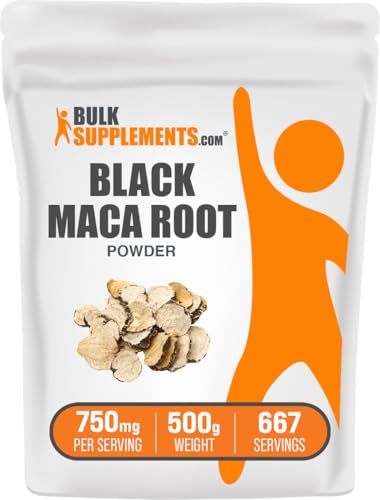
Maca Root and Metabolic Research: What the Evidence Suggests
Research into maca root’s effects on metabolic parameters is still in its early stages, with much of the current understanding coming from preclinical studies. Some animal research has explored maca’s potential influence on metabolic health. For example, a study in mice fed a high-fat, high-sugar diet found that a Lepidium meyenii supplemented diet modulated neurobehavioral and biochemical parameters [1]. This suggests a potential area for further investigation regarding metabolic responses, though these findings are not directly transferable to human experience.
Another area of interest is maca’s potential antioxidant properties. Antioxidants are important for cellular health, which can indirectly support metabolic function. While the specific impact on human weight management is not established, the chemical composition of Lepidium meyenii has been explored, revealing various active compounds [2]. Related species, such as Lepidium sativum, have also been studied for their antioxidant capacity [3], and other research has looked at anti-oxidative properties of compounds derived from cress polysaccharides [4].
It’s important to note that much of the existing research is either preclinical (animal or in vitro) or focuses on related plant species, not directly on maca root’s effects on human weight management during perimenopause. The evidence for maca root directly influencing weight management in perimenopausal women is limited.
Maca Root and Hormonal Balance in Midlife
While maca root is often discussed in relation to hormonal balance, it’s not considered a phytoestrogen like soy. Instead, it is thought to work by supporting the body’s own endocrine system [5]. This adaptogenic potential is one reason for its popularity among women navigating perimenopause and menopause [6].
A pilot study in postmenopausal women indicated that maca reduced blood pressure and depression [7]. While this study did not directly examine weight management, improvements in mood and overall well-being can indirectly support healthy lifestyle choices, which are crucial for managing weight during midlife.
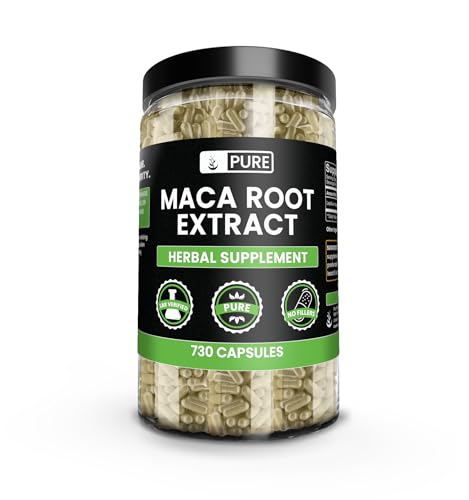
However, direct evidence linking maca root’s hormonal influence to specific weight management outcomes in perimenopausal women is not well-established in the provided research.
Maca Root and Energy Levels
Some individuals report increased energy and stamina when taking maca. While not directly linked to weight loss, improved energy levels could support a more active lifestyle, which is beneficial for weight management. However, specific studies linking maca root consumption to sustained energy increases that directly impact weight outcomes in perimenopausal women are limited within the provided evidence.
Considering Maca Root for Midlife Metabolic Support
For women navigating perimenopause and menopause, adopting a holistic approach to health is key. This includes a balanced diet, regular physical activity, stress management, and adequate sleep. While maca root may offer some supportive benefits, it should be considered as part of this broader approach, rather than a standalone solution for weight management.
The current evidence base, particularly concerning human studies directly on maca root for weight management in perimenopause, is limited. Most findings are from preclinical studies or focus on related species and broader health markers. Therefore, any potential benefits related to weight management are currently speculative and require more robust human clinical trials to confirm.
References
- Lepidium meyenii Supplemented Diet Modulates Neurobehavioral and Biochemical Parameters in Mice Fed High-Fat High-Sugar Diet. Endocrine, metabolic & immune disorders drug targets, 2021
- Exploring the chemical and pharmacological variability of Lepidium meyenii: a comprehensive review of the effects of maca. Frontiers in pharmacology, 2024
- Chemical Composition and Antioxidant Capacity of Lepidium sativum Seeds from Four Regions of Morocco. Evidence-based complementary and alternative medicine : eCAM, 2020
- Anti-Oxidative and Anti-Apoptotic Oligosaccharides from Pichia pastoris-Fermented Cress Polysaccharides Ameliorate Chromium-Induced Liver Toxicity. Pharmaceuticals (Basel, Switzerland), 2024
- Hormones, herbal preparations and nutriceuticals for a better life after the menopause: part II. Climacteric : the journal of the International Menopause Society, 2015
- Herbal preparations for the menopause: beyond isoflavones and black cohosh. Maturitas, 2014
- Maca reduces blood pressure and depression, in a pilot study in postmenopausal women. Climacteric : the journal of the International Menopause Society, 2015
These statements have not been evaluated by the Food and Drug Administration. This information is not intended to diagnose, treat, cure, or prevent any disease. Content is for informational purposes only and is not medical advice; consult a qualified healthcare provider before starting any supplement. As an Amazon Associate we earn from qualifying purchases.
