Ready to buy? Check current prices on Amazon and compare deals before you decide.
Navigating midlife and menopause can bring new challenges, including shifts in energy levels and increased stress. Many women look for ways to support their well-being during this time, and botanical supplements like maca root and ashwagandha are often discussed.
This article will explore what is currently understood about maca root and ashwagandha, particularly concerning their potential roles in supporting energy and managing stress. We aim to provide clear, evidence-based information to help you understand these options better.
Understanding Maca Root for Energy and Stress
Maca (Lepidium meyenii) is a root vegetable native to the Andes mountains of Peru, traditionally consumed as food and for its potential wellness properties. It is often categorized as an adaptogen, though more research is needed to fully understand this classification[1].
For women in midlife, maca root is sometimes considered for its potential to support energy levels. While anecdotal reports are common, the scientific evidence specifically linking maca to increased energy in menopausal women is still developing. Similarly, its potential impact on stress is an area of ongoing exploration.
It’s important to remember that individual responses to maca root can vary, and its effects may not be universally experienced or significant. Further research is needed to establish clear guidelines for its use in supporting energy and stress during midlife.

Understanding Ashwagandha for Energy and Stress
Ashwagandha (Withania somnifera) is an herb widely used in Ayurvedic medicine, also often referred to as an adaptogen. It is frequently discussed for its potential role in helping the body adapt to various stressors.
For stress support, ashwagandha has garnered interest. Some preliminary research suggests it may help the body manage stress responses, potentially contributing to a sense of calm. However, more robust studies are needed to confirm these effects[2] and understand the optimal ways to use ashwagandha for stress management, especially in the context of midlife and menopause.
Regarding energy, ashwagandha is sometimes associated with supporting vitality, though its primary focus in traditional use and current research tends to be on stress and overall well-being. Its potential influence on energy levels might be an indirect effect of improved stress management or general physiological support.
Maca Root vs. Ashwagandha: Key Differences
While both maca root and ashwagandha are considered adaptogens and are explored for energy and stress support, they are distinct botanicals with different traditional uses and chemical compositions.
Maca is a cruciferous vegetable, often consumed as a powder[3], and is traditionally associated with vitality and hormonal balance, although the evidence for the latter is still being developed. Its potential impact on energy is frequently cited in popular discussions.
Ashwagandha, on the other hand, is an herb, and its root is most commonly used. It is more strongly associated in traditional practices and some early research with stress reduction and nervous system support. While both may be considered for general well-being during midlife, their specific areas of traditional focus and current research interest differ.
Choosing Between Maca Root and Ashwagandha
When considering maca root vs. ashwagandha for energy and stress during midlife, there isn’t a definitive ‘better’ option, as individual needs and responses can vary greatly. The current evidence for both is limited, and more research is needed to fully understand their efficacy and mechanisms of action.
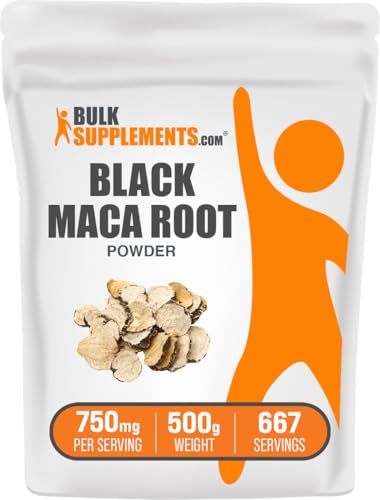
If you are exploring options to support energy, maca root is often a popular choice. If your primary concern is stress management, ashwagandha is frequently discussed in this context. Some individuals might even consider using them at different times or in combination, always with careful consideration and professional guidance.
It is always advisable to consult with a healthcare professional before adding any new supplement to your routine, especially during midlife and menopause, to ensure it is appropriate for your individual health profile and to discuss potential interactions with medications or existing health conditions.
Safety Considerations and What We Don’t Know Yet
Both maca root and ashwagandha are generally considered safe for most healthy individuals when consumed in moderate amounts. However, as with any supplement, there can be potential side effects or contraindications.
For maca root, some individuals may experience digestive upset. For ashwagandha, potential side effects can include drowsiness, stomach upset, and in rare cases, liver issues. Women who are pregnant or breastfeeding, or those with specific medical conditions such as autoimmune diseases or thyroid disorders, should exercise particular caution and seek medical advice before use.
A significant point to remember is the limited nature of current scientific evidence, especially well-designed, large-scale human trials focusing specifically on women in midlife and menopause. We lack comprehensive data on optimal dosages, long-term safety, and precise mechanisms by which these botanicals may influence energy and stress in this specific population. More research is needed to provide definitive recommendations.
References
- Maca (Lepidium meyenii) for treatment of menopausal symptoms: A systematic review. Maturitas, 2011
- Does Ashwagandha supplementation have a beneficial effect on the management of anxiety and stress? A systematic review and meta-analysis of randomized controlled trials. Phytotherapy research : PTR, 2022
- Not All Maca Is Created Equal: A Review of Colors, Nutrition, Phytochemicals, and Clinical Uses. Nutrients, 2024
These statements have not been evaluated by the Food and Drug Administration. This information is not intended to diagnose, treat, cure, or prevent any disease. Content is for informational purposes only and is not medical advice; consult a qualified healthcare provider before starting any supplement. As an Amazon Associate we earn from qualifying purchases.
