Ready to buy? Check current prices on Amazon and compare deals before you decide.
Maca (Lepidium meyenii) has gained interest as a botanical for women navigating midlife and menopause. As with many natural products, questions often arise about its origins and whether where it’s grown can influence its potential effects.
Understanding the factors that contribute to maca’s unique composition, including its geographical source and cultivation practices, can help consumers make more informed choices. This article will explore what is currently understood about maca root origin and potency.
The Traditional Home of Maca Root
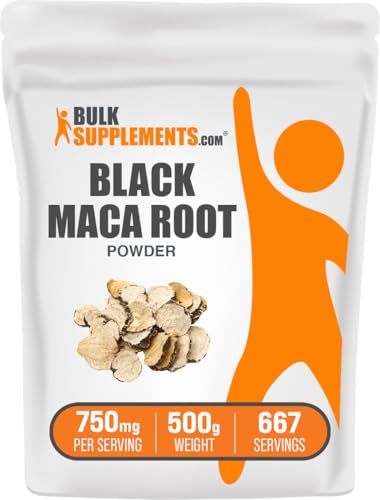
Maca (Lepidium meyenii) is a plant native to the high-altitude Andean regions of Peru [1][2]. It has a long history of traditional use in these areas. The plant is known to thrive in challenging environments, often at altitudes where few other crops can grow [3].
While maca is traditionally associated with Peru, the term ‘maca’ can sometimes be used broadly, and it’s important to recognize that specific cultivation conditions and genetic variations might exist even within its native range. The unique climate and soil conditions of its native habitat are thought to contribute to its characteristic phytochemical profile.
Phytochemicals and Maca’s Unique Compounds
The potential effects of maca are often attributed to its diverse range of phytochemicals. These include macamides, macaenes, alkaloids, and glucosinolates, among others [4][1]. Macamides, in particular, are considered characteristic compounds of maca [5].
The presence and concentration of these compounds are what researchers often look at when trying to understand the plant’s potential biological activities. Differences in these phytochemical profiles could theoretically lead to variations in how different maca products might function.
Cultivation Altitude and Phytochemical Differences
Some research suggests that cultivation altitude may play a role in the phytochemical composition of maca. One study indicated that different cultivation altitudes could lead to phytochemical and genetic differences among the four prime maca phenotypes (colors) [3]. This suggests that the environment in which maca is grown might influence the levels of certain compounds within the root.
Another study used metabolomic differentiation to examine maca accessions cultivated under different conditions, including varying altitudes, and found distinct metabolic profiles [6]. This further supports the idea that environmental factors, such as altitude, could impact the chemical makeup of the maca root.
Does Maca Root Origin Directly Impact Potency? (Limited Evidence)
While studies indicate that cultivation conditions, including altitude, can influence the phytochemical profile of maca [3][6], directly linking these differences to ‘potency’ in terms of human health effects for women in midlife is complex and currently based on limited evidence. The term ‘potency’ itself can be subjective and refers to the strength of a product’s effect.
The presence of specific macamides, for instance, is used for characteristic fingerprinting to differentiate maca [5]. If the levels of these key compounds vary based on origin or cultivation, it is plausible that this could lead to differences in the overall profile of the plant. However, more direct research is needed to establish a clear cause-and-effect relationship between specific geographical origins, phytochemical levels, and observable outcomes for women’s health during midlife and menopause.
There is currently no definitive evidence to state that maca from a specific, named origin is inherently ‘more potent’ than maca from another, assuming both are authentic Lepidium meyenii and processed appropriately. The focus should perhaps be more on the overall quality, processing, and standardized extracts, rather than solely on a geographical claim, given the limited research on this specific aspect.
Beyond Origin: Processing and Standardization
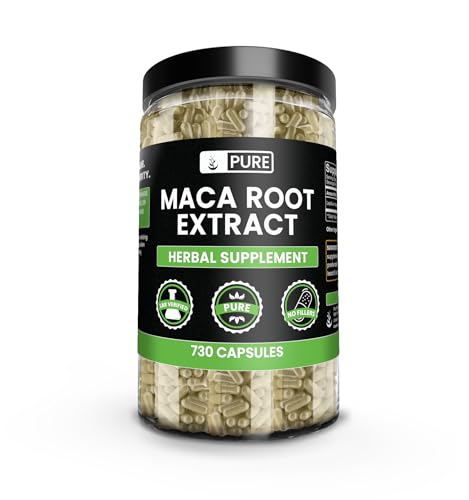
Beyond the geographical origin, how maca is processed can also be a significant factor. For example, ‘pre-gelatinized’ maca is a form where starches are removed, which some suggest may improve digestibility [7]. The method of extraction and preparation can influence the concentration and bioavailability of the active compounds.
Standardization, where a product is guaranteed to contain a certain level of a key compound, could potentially offer more consistency than relying solely on origin claims. However, it’s important to note that while macamides are characteristic, the full spectrum of maca’s potential effects may involve multiple compounds working together [4].
References
- Medicinal effects of Peruvian maca (Lepidium meyenii): a review. Food & function, 2020
- Is the hype around the reproductive health claims of maca (Lepidium meyenii Walp.) justified?. Journal of ethnopharmacology, 2018
- Peruvian Maca (Lepidium peruvianum) – III: The Effects of Cultivation Altitude on Phytochemical and Genetic Differences in the Four Prime Maca Phenotypes. International journal of biomedical science : IJBS, 2017
- Maca (Lepidium meyenii) as a Functional Food and Dietary Supplement: A Review on Analytical Studies. Foods (Basel, Switzerland), 2026
- Characteristic fingerprinting based on macamides for discrimination of maca (Lepidium meyenii) by LC/MS/MS and multivariate statistical analysis. Journal of the science of food and agriculture, 2016
- Metabolomic differentiation of maca (Lepidium meyenii) accessions cultivated under different conditions using NMR and chemometric analysis. Planta medica, 2012
- Therapeutic Effects of Pre-Gelatinized Maca (Lepidium Peruvianum Chacon) used as a Non-Hormonal Alternative to HRT in Perimenopausal Women – Clinical Pilot Study. International journal of biomedical science : IJBS, 2006
These statements have not been evaluated by the Food and Drug Administration. This information is not intended to diagnose, treat, cure, or prevent any disease. Content is for informational purposes only and is not medical advice; consult a qualified healthcare provider before starting any supplement. As an Amazon Associate we earn from qualifying purchases.
