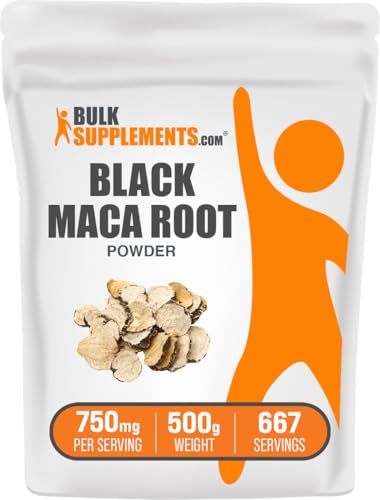
Ready to buy? Check current prices on Amazon and compare deals before you decide.
Perimenopause, the transitional phase leading up to menopause, often brings with it a range of challenging symptoms, including disruptions to sleep. Many women report difficulty falling asleep, staying asleep, or experiencing restless nights, which can significantly impact daily well-being. As interest grows in natural approaches to managing these changes, some women consider maca root.
Maca (Lepidium meyenii), a root vegetable native to the Andes mountains, has a long history of traditional use. While often discussed for its potential effects on energy and hormonal balance, its role in improving sleep quality during perimenopause is a topic of emerging interest, though the current scientific evidence is limited.
Understanding Perimenopausal Sleep Disturbances
Sleep difficulties are a common complaint during perimenopause, often attributed to fluctuating hormone levels, particularly estrogen. These hormonal shifts can affect the body’s thermoregulation, leading to night sweats and hot flashes that disrupt sleep. Additionally, anxiety and mood changes, which are also prevalent in perimenopause, can contribute to insomnia.
The impact of poor sleep extends beyond feeling tired; it can affect mood, concentration, and overall quality of life. For many women, finding effective strategies to support restful sleep becomes a priority during this phase of life.

Maca Root: Traditional Use and Modern Interest
Maca root has been consumed for centuries in its native Peru, traditionally valued for its nutritional content and perceived benefits for vitality and endurance. In contemporary discussions, maca is frequently explored for its potential adaptogenic properties, meaning it may help the body adapt to stressors and maintain balance. This has led to interest in its potential role in supporting overall well-being during hormonal transitions like perimenopause.
While maca has been studied for various aspects of health, including its potential impact on quality of life, the specific research directly linking maca root to improved sleep quality in perimenopausal women is still developing [1].
What the Research Says About Maca and Sleep in Perimenopause
Currently, direct evidence specifically on maca root’s ability to improve sleep quality or reduce insomnia symptoms in perimenopausal women is limited. However, some research has explored maca’s broader effects on perimenopausal symptoms and quality of life, which may indirectly influence sleep.
A clinical pilot study from 2006 investigated the therapeutic effects of pre-gelatinized maca in perimenopausal women. This study reported that maca appeared to alleviate symptoms of perimenopause, including reductions in discomfort and improvements in some aspects of quality of life [2]. While the study did not specifically focus on sleep, improvements in overall well-being could potentially contribute to better sleep.
Another publication noted the increasing popularity of Peruvian maca and its potential impacts on sleep and quality of life, indicating a general interest in this area, but without providing specific findings on maca’s direct effect on sleep quality in perimenopausal women [1].
It’s also worth noting that some traditional ethnobotanical surveys have documented medicinal plants used for conditions like insomnia, asthenia (weakness), and other ailments, where maca may be mentioned in a broader context of traditional remedies. For instance, a survey in the Fez-Meknes region of Morocco identified plants used for insomnia, asthenia, and oral/gum infections, highlighting the traditional use of various botanicals for such concerns [3]. However, this does not specifically link maca to improved sleep in perimenopause through modern scientific study.
A case report on the nutritional management of surgically induced menopause also discussed various nutritional interventions for managing symptoms, but its focus was broad and did not provide specific findings on maca’s direct impact on sleep [4]. Similarly, a case series on maca’s impact on testosterone levels and fertility outcomes in men does not offer direct insights into perimenopausal sleep [5].
Potential Indirect Mechanisms and Considerations
While direct evidence is scarce, it’s hypothesized that if maca root has a balancing effect on hormonal fluctuations or helps to mitigate other perimenopausal symptoms like mood changes or anxiety, it might indirectly contribute to better sleep. When overall well-being improves and disruptive symptoms lessen, sleep quality may naturally follow. However, this is speculative and requires dedicated research.
It is important to reiterate that current research on maca root’s direct impact on sleep quality in perimenopausal women is limited. The findings that exist often focus on broader perimenopausal symptoms or quality of life, rather than sleep-specific outcomes. More robust, targeted studies are needed to draw definitive conclusions about maca’s efficacy for sleep disturbances during perimenopause.
References
- The increasing popularity of Peruvian maca (Lepidium meyenii) and its potential impacts on sleep and quality of life. Clinics (Sao Paulo, Brazil), 2024
- Therapeutic Effects of Pre-Gelatinized Maca (Lepidium Peruvianum Chacon) used as a Non-Hormonal Alternative to HRT in Perimenopausal Women – Clinical Pilot Study. International journal of biomedical science : IJBS, 2006
- Ethnobotanical survey about medicinal plants used in traditional treatment of insomnia, asthenia, and oral and gum infections in the region Fez-Meknes, Morocco. Environmental science and pollution research international, 2022
- Nutritional management of surgically induced menopause: A case report. Women’s health (London, England), 2021
- Optimizing Testosterone Levels and Fertility Outcomes: A Case Series on the Impact of Lepidium peruvianum (Maca-OG(TM)) in Andropause and Sperm Dysfunction. American journal of men’s health, 2024
These statements have not been evaluated by the Food and Drug Administration. This information is not intended to diagnose, treat, cure, or prevent any disease. Content is for informational purposes only and is not medical advice; consult a qualified healthcare provider before starting any supplement. As an Amazon Associate we earn from qualifying purchases.
