Ready to buy? Check current prices on Amazon and compare deals before you decide.
Maca root has gained popularity among women navigating midlife and the menopausal transition, often considered for its potential to support well-being during this time[1]. As you explore incorporating maca, one common question arises: is it better to choose maca root powder or capsules?
Both forms offer ways to consume maca, but they come with distinct characteristics regarding convenience, dosage, and how they fit into a daily routine. Understanding these differences can help you make an informed choice that aligns with your lifestyle and preferences.
Understanding Maca Root Powder
Maca root powder is essentially dried and ground maca root, much like a flour. This form is often seen as the most traditional way to consume maca, allowing for versatility in how it’s incorporated into foods and beverages. It typically has a distinct, earthy, and slightly nutty flavor, which some individuals enjoy while others find it takes some getting used to.
One of the primary advantages of maca powder is its flexibility. It can be easily added to smoothies, oatmeal, yogurt, baked goods, or even savory dishes. This allows for creative culinary experimentation and can make daily consumption feel less like taking a supplement and more like integrating a food ingredient. The ability to adjust the amount of powder added to meals also offers a degree of dosage customization, though careful measurement is always advisable.
However, the distinct flavor of maca powder can be a drawback for some. If you are sensitive to new tastes or prefer a more neutral addition to your diet, masking the flavor might require blending it with stronger-tasting ingredients. Additionally, measuring powder accurately can sometimes be less precise than pre-portioned capsules.
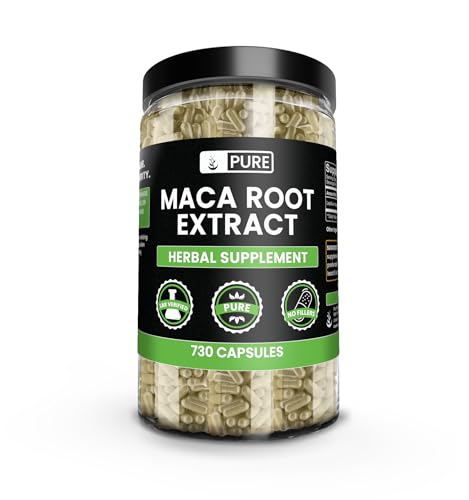
Exploring Maca Root Capsules
Maca root capsules contain powdered maca root encapsulated in a dissolvable shell, typically made from gelatin or a plant-based material. This form offers a convenient and often flavor-neutral way to consume maca, making it a popular choice for those who prefer not to taste the root.
The main benefit of capsules is their ease of use and precise dosing. Each capsule contains a pre-measured amount of maca, which can help ensure consistent intake. They are also highly portable, easy to swallow with water, and ideal for individuals with busy schedules or those who travel frequently. For those who find the taste of maca powder unappealing, capsules provide a straightforward alternative.
On the other hand, capsules offer less flexibility in terms of integration into food. While you could open a capsule and mix the powder, it defeats the primary convenience of the capsule form. The cost per serving might also sometimes be higher for capsules compared to bulk powder, depending on the brand and concentration.
Dosage and Absorption: What We Know
When considering maca root powder vs. capsules, dosage is a key factor. With powder, you have the flexibility to measure your own serving size, typically starting with a smaller amount (e.g., 1/2 to 1 teaspoon) and gradually increasing based on personal tolerance and desired effect. With capsules, the dosage is predetermined by the manufacturer, usually ranging from 500 mg to 1000 mg per capsule, and often suggesting a serving of multiple capsules per day. It’s important to follow the recommended serving size on the product label for either form.
Regarding absorption, there is currently limited specific research directly comparing the bioavailability or absorption rates of maca root consumed as a powder versus in capsule form. Generally, when a substance is consumed as a powder, it is already in a fine particulate state, which can allow for relatively direct interaction with the digestive system. Capsules, however, need to dissolve first to release the powder, which typically happens quickly in the stomach. Both forms are generally considered to deliver the active compounds of maca root to the body, though individual digestive differences can always play a role.

Purity and Quality Considerations
Regardless of whether you choose powder or capsules, the quality and purity of the maca root product are paramount. Look for products that specify the type of maca (e.g., red, black, yellow), as some research suggests different varieties may have slightly different profiles[2]. Gelatinized maca is another consideration; this form has been processed to remove starch, which some individuals find makes it easier to digest.
When purchasing either powder or capsules, prioritize brands that are transparent about their sourcing, processing methods, and third-party testing for contaminants like heavy metals or pesticides. Certifications such as organic or non-GMO can also indicate a commitment to quality. Ensuring you choose a reputable supplier helps confirm you are getting pure maca root, free from unwanted additives or fillers, in either form.
Making Your Choice: Powder or Capsules?
The decision between maca root powder and capsules ultimately comes down to personal preference, lifestyle, and how you intend to incorporate maca into your daily routine. Consider your priorities: is taste a major factor? Do you value convenience above all else? Are you looking for culinary versatility?
If you enjoy experimenting with flavors, want to integrate maca into your cooking, and don’t mind its earthy taste, then maca root powder might be an excellent choice. It offers flexibility in dosage and can be a cost-effective option over time. If, however, convenience, precise dosing, and a neutral taste are your top priorities, maca root capsules could be the more suitable option. They are discreet, easy to take on the go, and bypass any flavor concerns.
Many women find success with both forms. Some even use a combination, opting for powder in their morning smoothie and capsules when traveling or when time is short. The most important aspect is consistent, mindful use of a high-quality product, regardless of the form you choose.
References
- Maca (Lepidium meyenii) for treatment of menopausal symptoms: A systematic review. Maturitas, 2011
- Not All Maca Is Created Equal: A Review of Colors, Nutrition, Phytochemicals, and Clinical Uses. Nutrients, 2024
These statements have not been evaluated by the Food and Drug Administration. This information is not intended to diagnose, treat, cure, or prevent any disease. Content is for informational purposes only and is not medical advice; consult a qualified healthcare provider before starting any supplement. As an Amazon Associate we earn from qualifying purchases.
