Maca root (Lepidium meyenii) is a Peruvian plant that has been cultivated in the Andes for thousands of years, primarily as a food crop and traditional remedy[1]. Unlike vitamins or minerals that appear across many common foods, maca itself is the source, it is not a compound found scattered through your everyday grocery basket. If you are searching for foods high in maca root, the honest answer is that maca root is the food, and understanding how to consume it in its various natural forms is the starting point for anyone interested in getting it through diet rather than capsules.
What Maca Root Actually Is, and Why “Dietary Sources” Works Differently Here
Most nutrients we discuss in a dietary-sources context, vitamin C, magnesium, omega-3 fatty acids, appear naturally in dozens of foods. Maca does not work that way. Maca root is a whole food and botanical that is unique to the high-altitude regions of the Peruvian Andes, grown at elevations between roughly 4,000 and 4,500 metres. Its key compounds, including glucosinolates, macamides, macaridine, and various sterols, are specific to the Lepidium meyenii plant[2][3]. No other common food reliably contains these same constituents in meaningful concentrations.
That said, exploring natural dietary forms of maca, along with nutritionally related foods and dietary factors that support the body’s broader goals (energy, hormone balance, fertility support), gives a practical picture of how to incorporate this root through food-first approaches.
For a broader look at what the research says about maca’s effects on the body, see our overview at benefits and science of maca root.
Natural Dietary Forms of Maca Root
Because maca is itself the food, the practical question becomes: in which forms can you consume it as part of a real diet, rather than as a supplement capsule?
Fresh Maca Root
In the Andes, maca has traditionally been eaten as a cooked vegetable. The fresh root is boiled or baked similarly to a potato or turnip, which softens its dense, starchy flesh. In Peru, it is often eaten alongside other staple foods or simmered into porridges and soups. Outside of Peru and parts of Bolivia, fresh maca root is extremely difficult to source, and most consumers outside South America will never encounter it in this form.
Dried Maca Powder
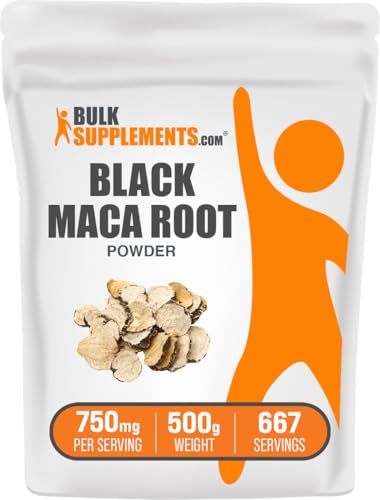
Drying and milling the root into a powder is the most common way maca is consumed as a food ingredient internationally. Maca powder can be stirred into smoothies, oatmeal, energy balls, baked goods, coffee, and warm drinks. In this sense, maca powder occupies a middle ground between whole food and supplement, it is minimally processed but concentrated. Traditional Andean communities have used dried maca for centuries, often reconstituting it into a fermented drink called maca chicha.
Maca in Traditional Preparations
In Andean culinary tradition, maca has appeared in:
- Porridges made with maca flour, water or milk, and sweeteners such as cane sugar or honey
- A fermented beverage similar to chicha, the traditional corn beer of the Andes
- Bread and biscuits made with maca-blended flours
- Soups and stews where dried maca pieces are added alongside vegetables
These are genuine food uses, but they are culturally and geographically specific. For most people outside the Andean region, accessing maca in these traditional food forms is not realistic on a day-to-day basis.
A Practical Table: Natural Forms of Maca and How They Compare
| Form of Maca | How It Is Used | Availability | Maca Content |
|---|---|---|---|
| Fresh maca root (cooked) | Boiled, baked, added to soups | Very limited outside Peru/Bolivia | Whole root, traditional amounts |
| Dried maca powder (raw or gelatinised) | Smoothies, oatmeal, baked goods | Widely available online and in health stores | Concentrated; 1-3 teaspoons per serving typical |
| Maca flour | Blended with other flours for baking | Moderate availability in specialty stores | Diluted by blending ratio |
| Maca chicha (fermented drink) | Traditional beverage | Essentially unavailable outside Andes | Variable, fermentation may alter compounds |
| Maca-enriched food products | Energy bars, chocolates, cereals | Growing availability in health food sector | Often low; primarily a marketing addition |
Related Foods That Support Similar Health Goals
Because maca’s specific compounds do not appear in other foods, there is no true food substitute if maca itself is your target. However, several foods share nutritional or functional overlap with the broader reasons people turn to maca, such as energy, stamina, and hormonal health.
Cruciferous Vegetables
Maca is a member of the Brassicaceae family, making it a botanical relative of broccoli, cabbage, kale, watercress, and radishes[4]. These vegetables share a class of plant compounds called glucosinolates, which are also found in maca and have been studied for their effects on hormonal metabolism and antioxidant activity. Eating a diet rich in cruciferous vegetables will not replicate maca’s specific macamide content, but it does engage some of the same biochemical pathways.
Adaptogenic Herbs
Maca is often grouped with adaptogens[5], plants used to support the body’s response to stress and fatigue. Other botanicals in this category include ashwagandha (Withania somnifera), rhodiola (Rhodiola rosea), and eleuthero. None of these contain maca’s compounds, but they appear in similar dietary and supplemental contexts. Some people combine these herbs in food-based preparations such as herbal teas and powder blends.
Nutrient-Dense Whole Foods for Foundational Health
Many people explore maca for energy and vitality. Supporting that goal through diet means prioritising:
- Iron-rich foods such as lentils, red meat, and dark leafy greens, since fatigue is frequently related to iron status
- Zinc-containing foods like pumpkin seeds, oysters, and legumes, relevant for reproductive and hormonal health
- B-vitamin sources including whole grains, eggs, and fortified foods, which are central to cellular energy production
- Adequate dietary fats from sources like avocado, nuts, and oily fish, which support hormone synthesis
For more context on how maca fits into a broader wellness routine, explore our guide at maca root research and evidence.
Who May Struggle to Get Enough Maca From Diet Alone
Because maca is not present in the general food supply outside of its region of origin, virtually everyone outside the Andean highlands would find it impossible to consume meaningful amounts through diet in the traditional sense. Even within Peru, maca consumption has declined in some urban populations.
The following groups are particularly unlikely to meet any meaningful intake from food sources alone:
- People living outside South America, where fresh maca root is not commercially available
- Those who do not regularly use maca powder or maca-containing food products
- Individuals on tight budgets, as quality maca powder carries a higher price than basic pantry staples
- People with digestive sensitivity who find raw maca powder hard to tolerate (gelatinised maca may be better tolerated but is less widely available as a food ingredient)
How Dietary Maca Powder Compares to Capsule Supplements
Maca powder is essentially the same material found in many capsule supplements, the difference lies in concentration, standardisation, and convenience. Capsules typically contain a specified amount per dose, often between 500 mg and 3,000 mg of maca extract or powder, making dosing predictable. Maca powder added to food tends to be consumed in approximate teaspoon measurements, which is a comparable range but less precise.
Gelatinised maca, available in both powder and capsule form, has been pre-cooked to remove starch, which some research suggests may improve tolerability and bioavailability of the active compounds. Raw maca powder is closer to the whole food but may cause digestive discomfort in some individuals when consumed in larger quantities.
For general wellness use, incorporating maca powder into daily food, a smoothie, a bowl of oatmeal, or homemade energy bites, is a practical, food-forward approach that many people find sustainable. Capsules offer convenience and dose certainty, particularly for those following protocols studied in clinical trials. The NIH Office of Dietary Supplements botanical fact sheets provide a useful reference for understanding how herbal products are evaluated and regulated.
You can also learn more about choosing the right form of maca for your needs at our maca supplement guides.


Frequently Asked Questions
Are there any common foods that naturally contain maca root?
No. Maca root is not found naturally in any common everyday foods outside of the Andean region of Peru and Bolivia. The plant is geographically and botanically specific. If you want to consume maca, you need to use maca itself, in powder, dried, or supplement form, rather than looking for it as an ingredient in ordinary foods.
Is maca powder considered a whole food or a supplement?
Maca powder sits in a grey area. It is made by drying and grinding the whole maca root with minimal processing, so it retains most of the root’s nutritional profile. Regulators in many countries classify it as a food or food ingredient rather than a pharmaceutical supplement. However, because it is consumed in small concentrated amounts rather than as a staple food, it functions more like a dietary supplement in practice.
Can eating cruciferous vegetables replace maca root?
Cruciferous vegetables like broccoli, kale, and cabbage share a botanical family with maca and contain some overlapping plant compounds, particularly glucosinolates. However, they do not contain macamides or other maca-specific compounds, so they cannot be considered a replacement. They are a valuable part of a healthy diet but serve different purposes.
How much maca powder would I need to eat each day to see potential benefits?
Most human clinical studies examining maca’s effects have used daily amounts ranging from around 1.5 g to 3.5 g of maca powder or extract, though research protocols vary widely. A teaspoon of maca powder is roughly 3 to 5 grams depending on grind size. As with any botanical, it is sensible to start with smaller amounts and assess tolerance, and to speak with a healthcare professional if you have specific health concerns.
Is raw maca powder or gelatinised maca powder better as a dietary food ingredient?
Both forms come from the same root. Raw maca powder is less processed and retains all original starches alongside the active compounds. Gelatinised maca has been cooked under pressure to remove most of the starch, which can make it easier to digest and may concentrate the active components slightly. For people who experience bloating or digestive discomfort from raw maca, gelatinised powder is generally better tolerated and mixes more smoothly into foods and drinks.
References
- Is the hype around the reproductive health claims of maca (Lepidium meyenii Walp.) justified?. Journal of ethnopharmacology, 2018
- Exploring the chemical and pharmacological variability of Lepidium meyenii: a comprehensive review of the effects of maca. Frontiers in pharmacology, 2024
- Alkaloids from Lepidium meyenii (Maca), structural revision of macaridine and UPLC-MS/MS feature-based molecular networking. Phytochemistry, 2021
- Glucosinolate-Enriched Fractions from Maca (Lepidium meyenii) Exert Myrosinase-Dependent Cytotoxic Effects against HepG2/C3A and HT29 Tumor Cell Lines. Nutrition and cancer, 2022
- Maca (Lepidium meyenii) for treatment of menopausal symptoms: A systematic review. Maturitas, 2011
These statements have not been evaluated by the Food and Drug Administration. This information is not intended to diagnose, treat, cure, or prevent any disease. Content is for informational purposes only and is not medical advice; consult a qualified healthcare provider before starting any supplement. As an Amazon Associate we earn from qualifying purchases.
