Heavy or irregular menstrual bleeding is common during perimenopause, and many women in this stage are already taking an iron supplement to manage or prevent deficiency. If maca root is also part of the routine, a reasonable question follows: does maca interfere with how well the body absorbs iron? This article looks at what’s actually known — and honestly flags what isn’t.
Maca’s Tannin and Polyphenol Content
Maca root contains polyphenolic compounds, including tannins, alongside its more widely discussed glucosinolates and alkaloids. Tannins are a normal part of many plant foods — tea, coffee, legumes, and whole grains all contain them — and they’re generally credited with some antioxidant benefit. The relevant question for iron isn’t whether tannins are present, but whether the amount in a typical maca dose is enough to matter.
No Direct Study Exists on Maca and Iron Absorption Specifically
To be direct about the evidence gap: no published clinical study has measured maca’s effect on iron absorption or iron status in humans. Everything below is inferred from general plant-tannin-iron chemistry and maca’s known nutrient profile, not from a maca-specific trial. Anyone telling you with confidence that maca “blocks” or “doesn’t affect” iron absorption is going beyond what’s actually been studied.
What General Nutrition Science Suggests
Tannins can bind non-heme iron (the form found in plant foods and most supplements) in the digestive tract, forming a complex the intestine has more difficulty absorbing[1]. This is well established for tea and coffee, where studies show iron absorption can drop meaningfully when they’re consumed alongside an iron-rich meal.
However, research on other tannin-containing plant foods, such as beans, shows this effect is dose-dependent and not uniform — some individual polyphenolic compounds within a food actually promote iron absorption rather than inhibit it, and meaningful inhibition tends to require larger polyphenol quantities than a typical 1.5 to 3 gram maca dose would provide. Maca is taken in much smaller amounts than a cup of tea or a serving of beans, which makes a clinically significant iron-blocking effect from a standard maca dose plausible to be small, though again, this hasn’t been directly tested.
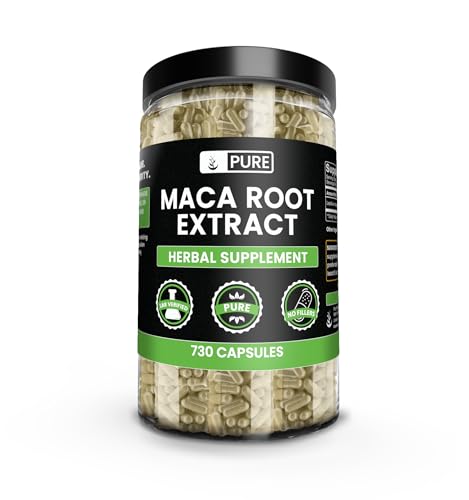
Practical Timing Guidance
Given the uncertainty, the standard precaution used for other tannin-containing foods and drinks is reasonable to apply here: if you’re taking an iron supplement for confirmed deficiency, consider separating your maca dose and your iron dose by one to two hours rather than taking them together. Pairing the iron dose with a source of vitamin C (citrus, bell pepper, a vitamin C supplement) is a well-supported way to independently boost non-heme iron absorption[1], regardless of what else is in your routine that day.
This is a low-cost precaution, not a confirmed necessity — it’s worth doing if you’re actively correcting an iron deficiency and want to remove any possible variable, but it isn’t evidence that maca meaningfully harms iron status in someone who isn’t deficient to begin with.
Maca’s Own Iron Content, in Context
Maca powder itself contains iron — nutritional analyses put raw maca powder at roughly 14 to 15 mg of iron per 100 grams. That sounds substantial until you account for the actual serving size: a typical maca dose is 1.5 to 3 grams per day, not 100 grams, which works out to roughly 0.2 to 0.45 mg of iron — a negligible contribution against a daily requirement of 18 mg for menstruating women.
Maca should not be relied on as a meaningful dietary iron source in either direction; it neither meaningfully supplements iron intake nor, based on the reasoning above, is likely to meaningfully block it at typical doses.

Frequently Asked Questions
Should I stop taking maca if I have iron-deficiency anemia?
Not necessarily. There’s no direct evidence maca causes or worsens iron deficiency. If you have confirmed anemia, talk to your doctor about your full supplement routine, and consider spacing maca and iron doses a couple of hours apart as a low-cost precaution.
Does maca root contain enough iron to help with a deficiency?
No. At typical supplement doses (1.5 to 3 grams per day), maca provides well under half a milligram of iron — far too little to meaningfully address a deficiency. An iron supplement or iron-rich diet is needed for that.
Does taking vitamin C with maca and iron help?
Vitamin C is well documented to improve non-heme iron absorption regardless of what else is in the meal or supplement stack, so pairing it with your iron dose is a reasonable general strategy whether or not maca is also part of your routine.
References
- Iron Absorption: Factors, Limitations, and Improvement Methods. ACS omega, 2022
These statements have not been evaluated by the Food and Drug Administration. This information is not intended to diagnose, treat, cure, or prevent any disease. Content is for informational purposes only and is not medical advice; consult a qualified healthcare provider before starting any supplement. As an Amazon Associate we earn from qualifying purchases.
