Maca is sold in several forms, each with different practical tradeoffs. This guide compares capsules, powder, and liquid extract formats to help you choose based on your priorities.
Capsules: Convenience and Precise Dosing
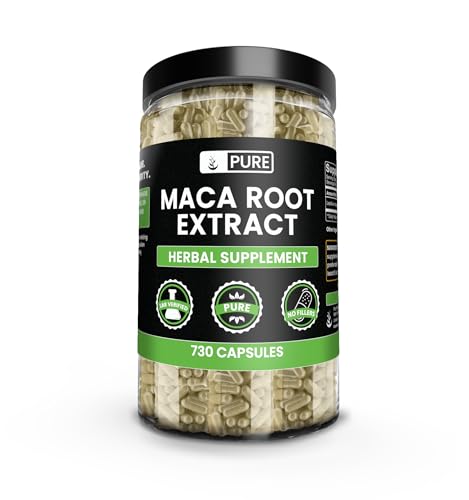
Capsules offer the most precise, consistent dosing since each capsule contains a standardized amount, and they avoid maca’s strong earthy taste entirely. The tradeoff is that capsules typically cost more per gram than raw powder and require swallowing multiple capsules to reach doses used in clinical trials (often 4 to 6 capsules for a 1.5 to 3 gram dose, depending on capsule size).

Powder: Flexibility and Cost
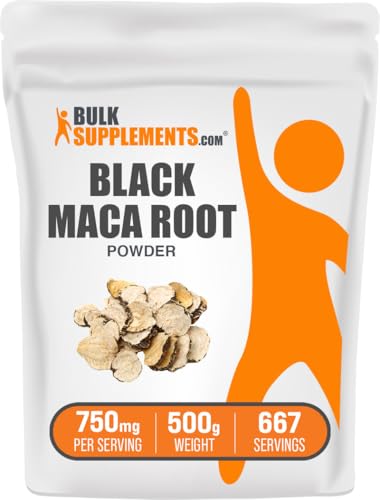
Powder is generally the most cost-effective option per gram and offers full dosing flexibility, since it can be measured precisely with a kitchen scale rather than being locked into fixed capsule increments. The main downside is taste: maca powder has a distinctive earthy, slightly bitter and pungent flavor that some people find unpleasant when mixed directly into water, though it blends more easily into smoothies, coffee, or oatmeal.
Liquid Extracts: Fast Absorption Claims
Liquid maca extracts are less common and are sometimes marketed with faster-absorption claims. There is limited independent research directly comparing absorption rates of liquid extracts to powder or capsule forms for maca specifically, so this claim should be treated as a marketing point rather than an established clinical advantage.
Raw vs Gelatinized: A Separate but Related Choice
Within powder and capsule forms, you will also see raw versus gelatinized maca. Gelatinized maca has been heat-processed to remove starch, which some people find easier to digest, and is the form most commonly used in clinical trials. Raw maca retains more of the whole-root profile but may be harder for some people to digest in larger amounts.
What Form the Trials Themselves Used
The published trials offer less guidance on format than you might expect, because they overwhelmingly report one: powdered root, weighed out in grams. The 2008 postmenopausal crossover trial administered 3.5 grams per day of powdered maca[1], a later trial used 3.3 grams per day[2], and the fertility trial used 2 grams per day[3].
That has a practical consequence for anyone choosing capsules. Doses in that range are gram-scale, and a typical capsule holds a fraction of a gram, so matching a trial dose from capsules means taking a handful of them daily rather than one or two. The format that is most convenient per serving is not automatically the format that most easily reaches a studied dose.
Why Which Product May Matter More Than Which Format
There is a variable here that sits underneath the capsule-versus-powder question. When researchers chemically analysed commercial maca products, they found that only certain products contained known macamides at what the authors called therapeutically relevant total concentrations, which they put at 3.29 milligrams or more per gram of root, and the measured biological potency of the extracts tracked their macamide content[4].
Read plainly, that means two products in the same format can differ in the compounds they actually deliver. A format preference expresses how you would like to take maca; it says nothing about which of the products in that format is worth taking.
Colour and Processing Are a Separate Variable Again
Raw versus gelatinized is not the only upstream difference. A 2024 review in Nutrients notes that research over the past twenty years has identified up to seventeen different colours of maca, and that colour, hypocotyl size, growing location, cultivation and post-harvest processing method can each significantly affect the nutrient content, phytochemical profile and clinical application of the finished material[5]. A 2024 review in Frontiers in Pharmacology describes the same variability, attributing it to ecotype, growth conditions and post-harvest processing[6].
The same Nutrients review is candid that research actually differentiating the colours by clinical outcome remains limited[5], so this is a reason to expect variation between products rather than a basis for picking one colour over another.
No Head-to-Head Format Trial Exists
To state the gap precisely rather than vaguely: no published trial has randomised participants to capsules, loose powder or a liquid extract at an equivalent dose and compared outcomes between them. Every format comparison available, including the ones in this article, reasons from dose accuracy, cost, palatability and adherence. Those are legitimate grounds for a choice. They are not clinical evidence that one format outperforms another, and nobody currently has that.
Frequently Asked Questions
Which maca form was used in most clinical trials?
Gelatinized maca extract or powder has been the most commonly used form in published clinical trials, though this does not mean raw powder is ineffective, simply less studied.
Is liquid maca extract absorbed faster than powder?
This is a common marketing claim, but there is limited independent research directly comparing absorption rates between liquid, powder, and capsule maca specifically.
Which form is best for someone who dislikes the taste?
Capsules avoid the taste issue entirely, since the powder is enclosed and swallowed without being tasted.
References
- Beneficial effects of Lepidium meyenii (Maca) on psychological symptoms and measures of sexual dysfunction in postmenopausal women are not related to estrogen or androgen content. Menopause, 2008
- Maca reduces blood pressure and depression, in a pilot study in postmenopausal women. Climacteric, 2015
- Does Lepidium meyenii (Maca) improve seminal quality?. Andrologia, 2020
- N-Benzyl-linoleamide, a Constituent of Lepidium meyenii (Maca), Is an Orally Bioavailable Soluble Epoxide Hydrolase Inhibitor That Alleviates Inflammatory Pain. Journal of Natural Products, 2020
- Not All Maca Is Created Equal: A Review of Colors, Nutrition, Phytochemicals, and Clinical Uses. Nutrients, 2024
- Exploring the chemical and pharmacological variability of Lepidium meyenii: a comprehensive review of the effects of maca. Frontiers in Pharmacology, 2024
These statements have not been evaluated by the Food and Drug Administration. This information is not intended to diagnose, treat, cure, or prevent any disease. Content is for informational purposes only and is not medical advice; consult a qualified healthcare provider before starting any supplement. As an Amazon Associate we earn from qualifying purchases.
