Ready to buy? Check current prices on Amazon and compare deals before you decide.
Many women navigating perimenopause report experiencing ‘brain fog’ – a collection of symptoms including difficulties with memory, focus, and mental clarity. These cognitive changes can be frustrating and impact daily life, prompting interest in various natural approaches that might offer support.
Maca root has garnered attention for its potential to support women’s health during this transitional phase. While research is ongoing, some individuals wonder if maca root could play a role in addressing the cognitive aspects of perimenopause, specifically brain fog.
Understanding Perimenopausal Brain Fog
Perimenopausal brain fog is not a medical diagnosis but a common experience characterized by subjective cognitive complaints. These can include forgetfulness, difficulty concentrating, feeling less mentally sharp, and struggling with word recall. While unsettling, these changes are often considered a normal part of the hormonal shifts occurring during perimenopause.
The exact mechanisms behind perimenopausal brain fog are not fully understood, but fluctuating hormone levels, particularly estrogen, are thought to play a significant role. Estrogen receptors are present in areas of the brain involved in cognitive function, suggesting a connection between hormonal shifts and mental clarity.

Maca Root: A Brief Overview
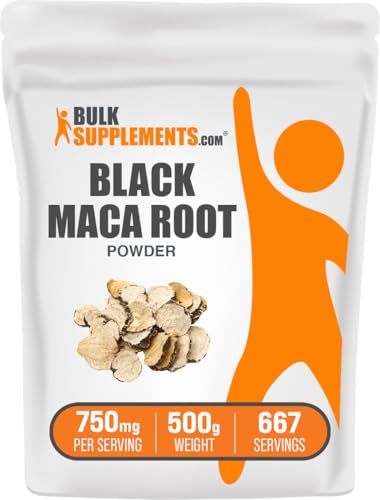
Maca (Lepidium meyenii or Lepidium peruvianum) is a cruciferous vegetable native to the Andes mountains of Peru. For centuries, it has been used as both a food and a traditional medicine. The root is typically dried and consumed in powdered form.
Maca contains various bioactive compounds, including macamides, macaenes, alkaloids, and glucosinolates. These compounds are believed to contribute to maca’s adaptogenic properties, meaning it may help the body adapt to stress and support overall balance.


What the Research Suggests About Maca Root and Cognitive Function
When considering maca root’s potential impact on brain fog and cognitive function during perimenopause, it’s important to look at the available scientific evidence. Currently, direct human studies specifically investigating maca root’s effect on perimenopausal brain fog are limited.
However, some early research has explored maca’s influence on hormone balance, which could indirectly relate to cognitive well-being. One study, conducted on ovariectomized rats, observed that pre-gelatinized organic maca appeared to have a hormone-balancing effect. This research noted biochemical and pharmacodynamic changes in a clinical laboratory model [1]. While this animal study provides an interesting initial observation, findings from animal models do not directly translate to human experiences or guarantee similar effects in women experiencing perimenopause.
The connection between hormone balance and cognitive function is an area of ongoing research. If maca root were to support hormonal equilibrium in humans during perimenopause, it is a theoretical possibility that this could, in turn, contribute to improved cognitive clarity. However, this is a significant leap from the current evidence and requires much more direct investigation in human populations.

Mechanisms and Considerations
Beyond potential hormonal effects, some researchers theorize that maca’s antioxidant properties or its impact on energy levels could indirectly support cognitive function. Oxidative stress can contribute to cognitive decline, and compounds with antioxidant activity might offer protective benefits. Additionally, improved energy and reduced fatigue, often reported by maca users, could contribute to a subjective feeling of reduced ‘brain fog.’
It’s crucial to distinguish between subjective feelings of improved clarity or energy and objectively measured cognitive improvements. While feeling more energetic might make one feel less ‘foggy,’ this is different from demonstrating enhanced memory or processing speed through standardized cognitive tests. More robust human clinical trials are needed to assess any direct cognitive benefits.
Safety and Usage Considerations
Maca root is generally considered safe for most people when consumed in typical food amounts. However, as with any supplement, there can be individual variations in response. Some individuals may experience mild digestive upset, particularly when first introducing maca.
It is always advisable to start with a low dose and gradually increase it to assess tolerance. Women who are pregnant, breastfeeding, or have hormone-sensitive conditions should exercise caution and consult with a healthcare provider before using maca root. As the evidence for maca root and brain fog is limited, it should not be considered a substitute for conventional medical advice or treatment for perimenopausal symptoms.
References
- Hormone-Balancing Effect of Pre-Gelatinized Organic Maca (Lepidium peruvianum Chacon): (I) Biochemical and Pharmacodynamic Study on Maca using Clinical Laboratory Model on Ovariectomized Rats. International journal of biomedical science : IJBS, 2006
These statements have not been evaluated by the Food and Drug Administration. This information is not intended to diagnose, treat, cure, or prevent any disease. Content is for informational purposes only and is not medical advice; consult a qualified healthcare provider before starting any supplement. As an Amazon Associate we earn from qualifying purchases.
