Ready to buy? Check current prices on Amazon and compare deals before you decide.
As women move through midlife and menopause, maintaining activity levels and athletic performance can be a priority. Many seek natural ways to support their energy and physical capabilities. Maca root, a plant native to the Andes, has garnered interest for its potential effects on stamina and athletic output.
This article explores the current, albeit limited, scientific understanding of how maca root might influence athletic performance, drawing from available research. We aim to provide clear, evidence-based information for active women considering maca root as a supplement for their fitness goals.
Understanding Maca Root and Physical Performance
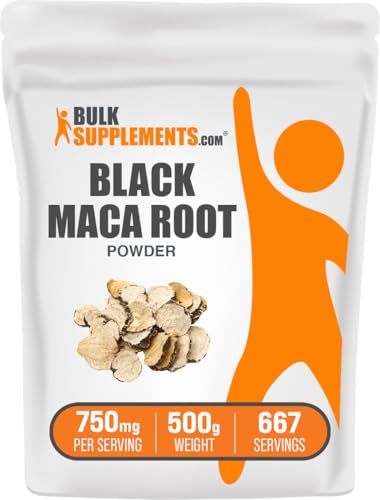
Maca (Lepidium meyenii Walp.) has a long history of traditional use, often associated with vitality. In the context of physical performance, preliminary research has begun to investigate its effects. A systematic review and meta-analysis published in 2024 examined studies on maca’s impact on physical performance in both animals and humans. This review concluded that maca supplementation may potentially enhance physical performance parameters, though it highlighted the need for more robust human studies [1].
It’s important to approach these findings with a careful perspective, as the overall evidence strength for human athletic performance is still considered limited. The mechanisms by which maca might exert these effects are still being explored, but some research points towards its influence on cellular processes and energy metabolism.


Maca’s Potential Influence on Stamina and Fatigue
One area of particular interest for active individuals is maca’s potential to support stamina and reduce fatigue. Fatigue can be a significant barrier to consistent athletic performance, especially during demanding exercise. Research in animal models has suggested that maca may possess anti-fatigue properties [2]. Another study characterized maca polysaccharides and observed an antifatigue effect in vivo [3].
While promising, these animal studies do not directly translate to human experience. However, a double-blind crossover study published in 2025 investigated the impact of maca supplementation on basketball-related performance and antifatigue ability. The findings suggested that maca supplementation could positively influence these aspects [4]. This human trial offers a more direct, albeit still early, indication of maca’s potential role in supporting athletic endurance and reducing perceived fatigue.
Maca and Oxidative Stress After Exercise
Intense physical activity can lead to increased oxidative stress in the body, which may contribute to muscle fatigue and recovery time. Antioxidants play a crucial role in mitigating this stress. A systematic review and meta-analysis published in 2024 explored the effects of maca on cellular oxidative stress. This review suggested that maca may have a role in influencing oxidative stress markers [5].
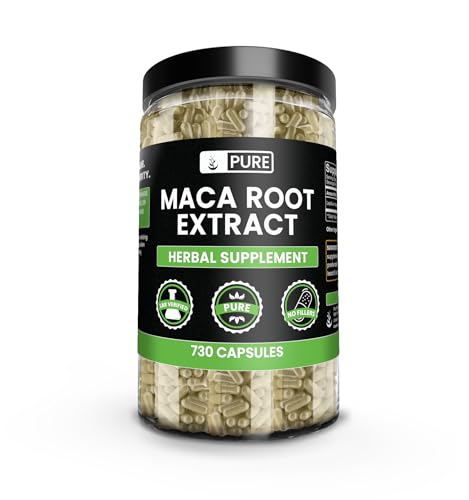
Further, a double-blind, placebo-controlled trial in 2025 looked at the enhancement of Interferon-γ secretion by maca extract supplementation after exhaustive endurance exercise in healthy men. This suggests a potential interaction with immune responses following strenuous activity [6]. While these findings offer insights into maca’s potential biological activities related to exercise, more research is needed to fully understand its implications for recovery and performance in active women.
What the Research Suggests for Active Women
For active women navigating midlife and menopause, the current evidence on maca root for athletic performance is limited but points towards some interesting possibilities. Research suggests maca may play a role in supporting physical performance and potentially reducing fatigue [1][4]. Its influence on oxidative stress and immune markers after exercise is also being investigated [5][6].
It is crucial to remember that much of the research is preliminary, involving animal models or smaller human studies. The specific benefits for women in midlife, who may experience unique physiological changes, require further dedicated investigation. While maca may offer some support for stamina and athletic output, it should be considered as a potential complementary aid rather than a definitive performance enhancer.
References
- Effects of Maca (Lepidium meyenii Walp.) on Physical Performance in Animals and Humans: A Systematic Review and Meta-Analysis. Nutrients, 2024
- Anti-fatigue effect of Lepidium meyenii Walp. (Maca) on preventing mitochondria-mediated muscle damage and oxidative stress in vivo and vitro. Food & function, 2021
- Structural Characterization and Antifatigue Effect In Vivo of Maca (Lepidium meyenii Walp) Polysaccharide. Journal of food science, 2017
- The Impact of Lepidium meyenii (MACA) Supplementation on Basketball-related Performance and Antifatigue Ability: A Double-blind Crossover Study. Journal of physiological investigation, 2025
- The Effects of Maca (Lepidium meyenii Walp) on Cellular Oxidative Stress: A Systematic Review and Meta-Analysis. Antioxidants (Basel, Switzerland), 2024
- Enhancement of Interferon-γ Secretion by Lepidium meyenii Extract Supplementation After Exhaustive Endurance Exercise in Healthy Men: A Double-blind, Placebo-controlled Trial. International journal of medical sciences, 2025
These statements have not been evaluated by the Food and Drug Administration. This information is not intended to diagnose, treat, cure, or prevent any disease. Content is for informational purposes only and is not medical advice; consult a qualified healthcare provider before starting any supplement. As an Amazon Associate we earn from qualifying purchases.
