Ready to buy? Check current prices on Amazon and compare deals before you decide.
Navigating perimenopause can bring about many changes, and for some women, concerns about fertility may arise. Maca root (Lepidium meyenii), a plant native to the Andes, has gained attention for its potential wellness benefits, including those related to reproductive health.
This article will carefully examine the current evidence regarding maca root’s potential role in supporting fertility during perimenopause. It’s important to approach this topic with an understanding that research in this specific area is limited.
Understanding Perimenopause and Fertility
Perimenopause is the transitional phase leading up to menopause, often characterized by fluctuating hormone levels, which can impact menstrual cycles and fertility. While natural fertility declines with age, some women in perimenopause may still be seeking ways to support their reproductive health.
Maca root, sometimes referred to as ‘Peruvian ginseng,’ has been traditionally used for centuries in its native regions for various health purposes, including enhancing vitality and supporting reproductive function [1][2].

Maca Root and Reproductive Health: What the Research Suggests
While maca root has a history of traditional use, scientific research specifically on maca root fertility in perimenopausal women is quite limited. Much of the existing research on maca’s reproductive effects has been conducted in animal models or focuses on broader reproductive health rather than perimenopausal fertility directly.
A review exploring the chemical and pharmacological variability of Lepidium meyenii notes its use for reproductive health [1]. Another review also discusses the reproductive health claims associated with maca [3]. However, these reviews highlight the need for more robust human studies.
One study involved a patented blend containing Lepidium meyenii (maca) extract, along with Vitex agnus-castus extract and active folate, as a nutritional supplement for potentially improving fertility in women [4]. It’s crucial to note that this study examined a combination product, making it difficult to isolate the specific effects of maca alone. Furthermore, the study design and participant demographics may not directly reflect perimenopausal women specifically seeking fertility support.


Potential Mechanisms of Action (Limited Evidence)
The exact mechanisms by which maca root might influence reproductive health are not fully understood. Some research suggests maca may have a balancing effect on the endocrine system, though it does not directly contain hormones [5].
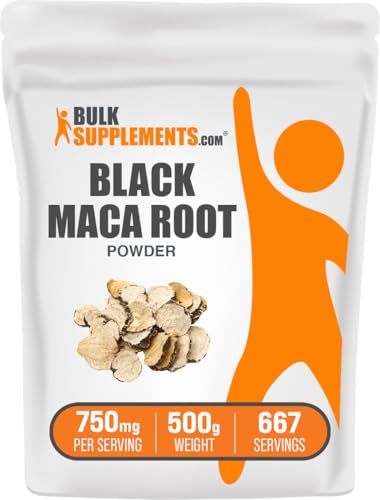
Maca contains various bioactive compounds, including macamides, alkaloids, and glucosinolates, which are thought to contribute to its potential effects [1][5]. These compounds may interact with the body in ways that could indirectly support overall well-being, which in turn might have a supportive role in reproductive health. For instance, some research suggests maca may help reduce blood pressure and depression in postmenopausal women, which could contribute to overall well-being [6]. However, this is not directly linked to fertility in perimenopause.
Animal studies have explored maca’s impact on male fertility, with one study indicating effects on oxidative stress, pro-inflammatory cytokines, steroidogenic enzymes, and reproductive hormones in male Wistar rats [7]. While interesting, findings from animal studies do not always translate directly to humans, especially women in perimenopause.
What We Don’t Know Yet About Maca Root Fertility in Perimenopause
The evidence specifically linking maca root to enhanced fertility outcomes in perimenopausal women is sparse. There is a lack of large-scale, randomized controlled trials focused on this specific demographic. Most studies are either in animal models, focus on general reproductive health, or use maca as part of a multi-ingredient blend [4][7].
We lack clear information on optimal dosages, specific maca phenotypes (e.g., red, black, yellow maca) that might be most relevant for perimenopausal fertility, and the long-term effects when used for this purpose [1][8]. The variability in chemical composition of maca itself can also influence its effects [1][9].
References
- Exploring the chemical and pharmacological variability of Lepidium meyenii: a comprehensive review of the effects of maca. Frontiers in pharmacology, 2024
- Smallanthus sonchifolius and Lepidium meyenii – prospective Andean crops for the prevention of chronic diseases. Biomedical papers of the Medical Faculty of the University Palacky, Olomouc, Czechoslovakia, 2003
- Is the hype around the reproductive health claims of maca (Lepidium meyenii Walp.) justified?. Journal of ethnopharmacology, 2018
- A Patented Blend Consisting of a Combination of Vitex agnus-castus Extract, Lepidium meyenii (Maca) Extract and Active Folate, a Nutritional Supplement for Improving Fertility in Women. Maedica, 2019
- Chemical composition and health effects of maca (Lepidium meyenii). Food chemistry, 2019
- Maca reduces blood pressure and depression, in a pilot study in postmenopausal women. Climacteric : the journal of the International Menopause Society, 2015
- The effects of Lepidium meyenii on MSG-induced subfertility in male Wistar rats: Targeting oxidative stress, pro-inflammatory cytokines, steroidogenic enzymes, and reproductive hormones regulation. Heliyon, 2025
- A Root Cause Approach to Men’s Hormone Health Using Specific Maca Phenotypes: A Narrative Review. Integrative medicine (Encinitas, Calif.), 2026
- Stem cell induction and plant regeneration are affected by medium components in maca (Lepidium meyenii Walp). Molecular biology reports, 2023
These statements have not been evaluated by the Food and Drug Administration. This information is not intended to diagnose, treat, cure, or prevent any disease. Content is for informational purposes only and is not medical advice; consult a qualified healthcare provider before starting any supplement. As an Amazon Associate we earn from qualifying purchases.
