Ready to buy? Check current prices on Amazon and compare deals before you decide.
Navigating perimenopause can bring a range of changes, and for many women, shifts in energy levels and experiences of fatigue are common. As interest in natural approaches grows, maca root, a plant native to the Andes, is often discussed for its potential role in supporting well-being during this transitional phase.
This article aims to provide an evidence-based overview of what is currently understood about maca root and its potential influence on energy and fatigue specifically for women in perimenopause. We will review available information to help you make informed decisions about your health.
Understanding Perimenopausal Fatigue and Energy Shifts
Perimenopause is the period leading up to menopause, marked by fluctuating hormone levels, particularly estrogen. These hormonal shifts can contribute to various symptoms, including changes in sleep patterns, mood, and cognitive function, all of which can impact perceived energy levels and contribute to feelings of fatigue.
Experiencing fatigue during this time is common, and many women seek ways to support their vitality. While lifestyle factors like diet, exercise, and stress management are foundational, some individuals explore botanicals like maca root as a complementary approach.
What is Maca Root?
Maca (Lepidium meyenii) is a cruciferous vegetable, related to broccoli and cabbage, that grows at high altitudes in the Andes mountains of Peru. The root is the part most commonly consumed, traditionally used as both a food source and for its perceived health benefits by indigenous populations.
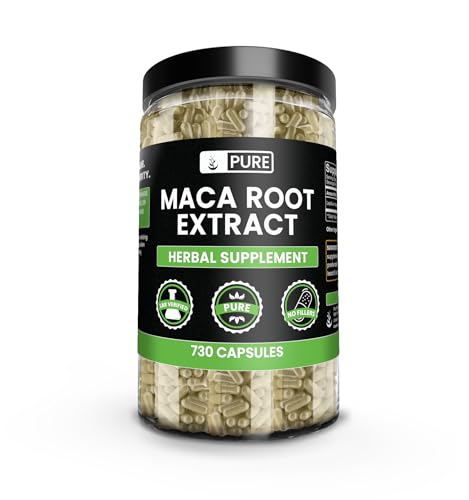
Maca root is available in various forms, including powders, capsules, and liquid extracts. Its chemical composition is complex, containing a variety of compounds such as amino acids, fatty acids, vitamins, minerals, and unique secondary metabolites like macamides and macaenes, which are thought to contribute to its properties [1].
Maca Root and Energy: What the Evidence Suggests
Research into maca root’s effects on energy and fatigue, particularly in the context of perimenopause, is an evolving area. Some traditional uses and preliminary studies suggest a potential for maca to support energy levels and reduce feelings of fatigue.
A comprehensive review of the chemical and pharmacological variability of maca notes its traditional use for energy and endurance, and explores the various compounds within maca that might contribute to its effects [1]. While the exact mechanisms are still being investigated, some theories suggest maca may influence the body’s stress response systems or support overall vitality, which could indirectly impact perceived energy.
It’s important to note that much of the existing research on maca root is not specifically focused on perimenopausal women experiencing fatigue, or involves animal studies or small human trials. Therefore, while observations are interesting, more targeted and robust studies are needed to draw definitive conclusions about its specific impact on perimenopausal energy and fatigue.
Maca Root and Perimenopausal Symptoms
Beyond energy, maca root has been explored for its potential influence on other perimenopausal symptoms. Some studies have looked at its effects on mood, sleep disturbances, and overall well-being during this life stage.

The complex array of compounds in maca root, as highlighted in a review, suggests it may have multiple biological activities [1]. These activities could potentially contribute to a more generalized sense of well-being, which might indirectly alleviate feelings of fatigue or low energy. However, direct evidence specifically linking maca to significant improvements in perimenopausal fatigue is still developing and should be interpreted with care.
When considering maca for perimenopausal symptoms, it’s beneficial to think about how it might fit into a broader wellness strategy rather than as a standalone solution for specific concerns. The ‘moderate’ evidence strength for maca root energy fatigue indicates that while there’s some promising data, it’s not yet conclusive.
Forms of Maca and Considerations for Use
Maca root is available in several forms, including raw maca powder, gelatinized maca powder, and extracts. Gelatinized maca has been processed to remove starch, which some individuals find makes it easier to digest. The specific chemical profile and potential effects can vary depending on the maca variety (e.g., red, black, yellow maca) and processing methods [1].
When considering maca, it is important to source products from reputable suppliers. There have been instances of contamination, such as unintentional lead exposure from maca products, which underscores the importance of product quality and safety [2]. Always check for third-party testing or certifications if available.
Starting with a lower dose and gradually increasing it allows your body to adjust. Paying attention to how your body responds is key, as individual experiences can vary. It is always wise to discuss any new supplement with a healthcare professional, especially if you have existing health conditions or are taking other medications.


References
- Exploring the chemical and pharmacological variability of Lepidium meyenii: a comprehensive review of the effects of maca. Frontiers in pharmacology, 2024
- Unintentional and Sequential Lead Exposure from a Ceramic Mug and Maca (Lepidium meyenii). Journal of medical toxicology : official journal of the American College of Medical Toxicology, 2018
These statements have not been evaluated by the Food and Drug Administration. This information is not intended to diagnose, treat, cure, or prevent any disease. Content is for informational purposes only and is not medical advice; consult a qualified healthcare provider before starting any supplement. As an Amazon Associate we earn from qualifying purchases.
