Ready to buy? Check current prices on Amazon and compare deals before you decide.
As women navigate midlife and menopause, many consider natural supplements like maca root to support their well-being. However, it’s crucial to understand how supplements might interact with medications, especially those for serious health conditions.
One area of particular concern is the potential interaction between maca root and anticoagulant medications, often referred to as blood thinners. This article will explore the current, albeit limited, evidence surrounding this topic.
What are Anticoagulants (Blood Thinners)?
Anticoagulants are a class of medications designed to reduce the risk of blood clots. These medications are prescribed for various conditions, including atrial fibrillation, deep vein thrombosis, pulmonary embolism, and after certain surgeries. They work by interfering with the blood clotting process.
Because blood thinners directly impact the body’s ability to form clots, it’s essential to be extremely cautious with any supplement that might also affect blood coagulation. Interactions could either increase the risk of bleeding or reduce the effectiveness of the anticoagulant medication, both of which can have serious health consequences.

Maca Root: A Brief Overview
Maca (Lepidium meyenii) is a root vegetable native to the Andes mountains, traditionally used for its nutritional value and perceived health benefits. It is often consumed in powdered form and has gained popularity for its adaptogenic properties, which are thought to help the body adapt to stress.
Women in midlife and menopause often explore maca root for potential support with symptoms like hot flashes, mood changes, and energy levels. However, like any botanical, its complex chemical composition means it can interact with physiological processes and, potentially, medications.
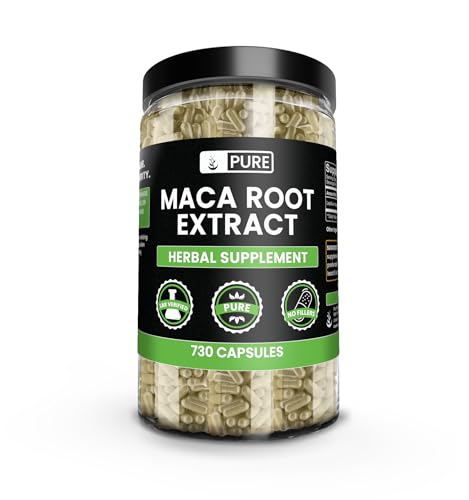


Maca Root and Blood Thinners: What the Evidence Suggests
The scientific evidence specifically examining the interaction between maca root and anticoagulant medications in humans is very limited. This lack of direct research means that definitive conclusions cannot be drawn at this time.
While maca (Lepidium meyenii) is distinct from Lepidium sativum, it is worth noting that a study involving Lepidium sativum (garden cress) and citric acid in rats investigated biochemical and histological impacts on liver and kidney functions [1]. This study did not directly examine blood thinning properties of Lepidium meyenii or its interactions with anticoagulants. However, it highlights that different species within the Lepidium genus can have biological effects that warrant careful consideration, especially when combined with other substances or medications.
It’s important to understand that the absence of evidence of an interaction does not equate to evidence of no interaction. Given the critical nature of anticoagulant therapy, any potential effect, even theoretical, must be approached with caution.
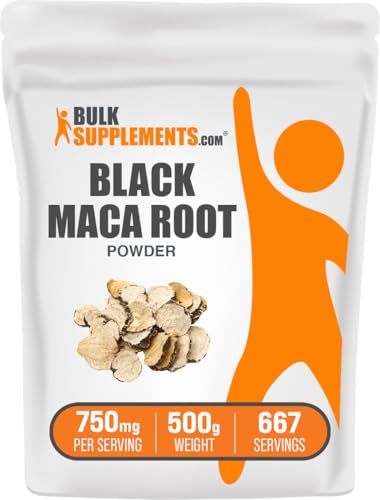
Potential Mechanisms for Interaction (Theoretical)
Although direct evidence for maca root interacting with blood thinners is scarce, it’s prudent to consider theoretical possibilities based on the general understanding of botanical compounds and anticoagulants.
Some plant compounds can influence liver enzymes responsible for metabolizing drugs, potentially altering the concentration of anticoagulants in the bloodstream. Other botanicals may contain compounds that directly or indirectly affect platelet aggregation or clotting factors. Without specific research on maca root in this context, these remain theoretical concerns.
Safety Considerations for Women on Anticoagulants
For women taking anticoagulant medications, prudence is paramount when considering any new supplement, including maca root. The primary concern is that maca could potentially either enhance the effects of the blood thinner, leading to an increased risk of bleeding, or diminish its effects, increasing the risk of clot formation.
Because of the critical balance required with anticoagulant therapy, even a minor interaction could have significant health implications. This is why open communication with a healthcare provider is essential before introducing any new supplement.
References
- Biochemical and Histological Study of the Impact of Combined Lepidium sativum and Citric Acid on Liver and Kidney Functions in Rats. Doklady. Biochemistry and biophysics, 2022
These statements have not been evaluated by the Food and Drug Administration. This information is not intended to diagnose, treat, cure, or prevent any disease. Content is for informational purposes only and is not medical advice; consult a qualified healthcare provider before starting any supplement. As an Amazon Associate we earn from qualifying purchases.
