Ready to buy? Check current prices on Amazon and compare deals before you decide.
Navigating perimenopause can bring a range of changes, and many women seek natural approaches to support their well-being during this transition. Maca root (Lepidium meyenii) is a botanical that has garnered interest for its potential role in supporting women’s health during this time.
When considering maca root, understanding typical dosages is a common question. While individual needs can vary, research offers some insights into amounts that have been explored in studies. This article will discuss general maca root dosage considerations for perimenopause, based on available evidence.
What is Maca Root and Its Potential Role in Perimenopause?
Maca root is a cruciferous vegetable native to the Andes mountains of Peru. It has a long history of traditional use as a food source and for its perceived health benefits. In recent years, it has gained attention globally, particularly among women experiencing midlife hormonal shifts.
While maca root is not a hormone itself, some research suggests it may offer support during perimenopause. Botanical preparations, including maca, have been explored for their potential to contribute to a better quality of life after menopause [1]. It’s understood to work through mechanisms that do not directly involve altering hormone levels, but rather by supporting the body’s own systems.
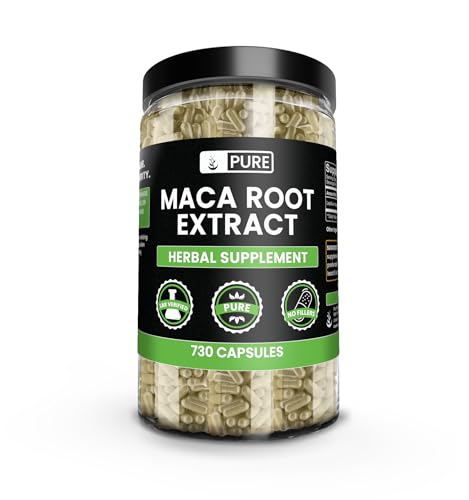
Typical Maca Root Dosage Ranges in Studies
When reviewing research on maca root for menopausal symptoms, specific dosages have been utilized. Studies exploring the effects of herbal preparations and nutriceuticals for menopausal support have often involved amounts within a particular range [1]. These dosages are typically expressed in milligrams (mg) per day.
While specific studies vary, a common range observed in research for menopausal support is often between 1,500 mg and 3,000 mg per day. These amounts are generally divided into two or three doses throughout the day to maintain consistent levels. For instance, a 3,000 mg daily dose might be taken as 1,000 mg three times a day. It’s important to note that these are typical amounts used in research settings and individual responses can differ.
Starting with a Lower Maca Root Dosage
When introducing any new supplement, including maca root, it’s often suggested to start with a lower dosage and gradually increase it. This approach allows your body to adjust and helps you assess your individual response. For maca, this might mean starting with 500 mg to 1,000 mg per day for the first week or two, and then slowly increasing towards the typical research-backed amounts if desired and well-tolerated.
This gradual increase can also help identify any sensitivities or mild digestive upset that some individuals might experience when first taking maca. Listening to your body and adjusting your intake accordingly is a sensible strategy.

Consistency and Duration of Maca Root Use
Like many botanical supplements, the potential benefits of maca root may not be immediate. Consistency in taking maca root as directed is often highlighted in discussions about its use. Some research suggests that effects from botanical preparations may become more apparent over several weeks or months of consistent use [1].
It’s not uncommon for individuals to use maca root for a period of several weeks to a few months to observe its potential effects on their well-being during perimenopause. The duration of use can be a personal decision, often guided by individual experience and consultation with a healthcare provider.
Forms of Maca Root and Dosage Considerations
Maca root is available in various forms, including powdered root, capsules, and liquid extracts. The dosage information discussed typically refers to the powdered root or encapsulated powder forms. When using extracts, it’s crucial to follow the manufacturer’s specific dosage instructions, as extracts are often more concentrated.
When selecting a maca product, you might also encounter different ‘colors’ of maca, such as red, black, or yellow. While traditional practitioners sometimes attribute specific benefits to different colors, the general dosage guidelines for overall perimenopausal support typically apply across these varieties in powdered or encapsulated forms.


References
- Hormones, herbal preparations and nutriceuticals for a better life after the menopause: part II. Climacteric : the journal of the International Menopause Society, 2015
These statements have not been evaluated by the Food and Drug Administration. This information is not intended to diagnose, treat, cure, or prevent any disease. Content is for informational purposes only and is not medical advice; consult a qualified healthcare provider before starting any supplement. As an Amazon Associate we earn from qualifying purchases.
