Ready to buy? Check current prices on Amazon and compare deals before you decide.
Maca root, a plant native to the Andes, has gained interest among women navigating midlife and menopause for its potential to support well-being. While generally considered safe for many, it’s important to approach any supplement, including maca, with an understanding of your individual health profile.
For women with pre-existing health conditions, or those taking certain medications, considering potential interactions or contraindications before incorporating maca root is a sensible step. This article explores circumstances where caution or consultation with a healthcare provider may be particularly important.
Understanding Maca Root and Hormonal Considerations
Maca root is often discussed in relation to hormonal balance, though it doesn’t contain hormones itself. Its potential effects are thought to be adaptogenic, meaning it may help the body adapt to various stressors. However, for individuals with hormone-sensitive conditions, or those undergoing hormone therapies, this aspect warrants careful consideration.
While research on maca’s direct impact on specific hormone-sensitive conditions is limited, the general principle for any substance that may influence the endocrine system is to proceed with caution. Conditions such as certain thyroid issues or hormone-responsive cancers are examples where a healthcare provider’s input is crucial before starting maca.
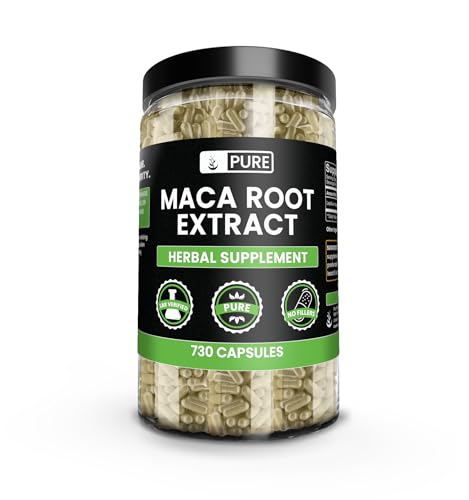
Maca Root and Blood Pressure or Cardiovascular Health
Cardiovascular health is a significant consideration for women in midlife. While some studies explore the broader benefits of plant compounds on various bodily systems, no published study has measured maca’s effect on blood pressure in people with established cardiovascular disease or taking antihypertensive medication. For instance, guidelines on managing acute pulmonary embolism do not mention maca root [1], and studies on cholesterol management focus on established therapies [2].
It is always advisable for individuals with diagnosed heart conditions, high blood pressure, or those taking cardiovascular medications to discuss any new supplement, including maca root, with their doctor. This ensures that the supplement does not interfere with existing treatments or exacerbate their condition.
Maca Root and Polycystic Ovarian Syndrome (PCOS)
Polycystic Ovarian Syndrome (PCOS) is a complex endocrine disorder that affects many women. Lifestyle modifications and certain herbal remedies are sometimes explored as supportive measures for PCOS management [3]. However, the specific role and safety of maca root for women with PCOS, particularly those with existing medication regimens, require careful evaluation.
While some herbal remedies are being investigated in the context of PCOS [3], no published study has examined maca root specifically in women with PCOS. Women with PCOS should consult their healthcare provider before adding maca root to their regimen to ensure it aligns with their overall management plan and does not interact adversely with other treatments.

Maca Root and Liver or Kidney Conditions
The liver and kidneys play vital roles in metabolizing and eliminating substances from the body. When these organs are compromised, the body’s ability to process supplements can be altered, potentially leading to increased concentrations or adverse effects. General guidelines for supplement use often advise caution in individuals with pre-existing liver or kidney disease.
Maca is generally characterised as low-toxicity, but the caution here is not purely theoretical: a case of drug-induced liver injury attributed to a maca medicinal liquor has been published [6]. That is a single case report, and an alcoholic extract is not the same product as a powder or a capsule. Alcohol is itself hepatotoxic, which makes the maca attribution hard to isolate. No comparable report has been published for maca powder or capsules. Even so, individuals with impaired liver or kidney function should seek medical advice before using maca root, and should treat alcohol-based herbal preparations with particular caution. This precaution helps to avoid placing additional strain on these organs or interfering with their function.
Maca Root and Autoimmune Conditions
Autoimmune conditions involve the immune system mistakenly attacking the body’s own tissues. Because maca root is sometimes discussed in terms of its potential to modulate immune function, individuals with autoimmune diseases such as lupus, rheumatoid arthritis, or multiple sclerosis should approach its use with caution.
While certain plants are being studied for their potential cognitive benefits [4] or effects on mood [5], no published study has examined maca in people with autoimmune conditions, though laboratory work does show that maca peptides and polysaccharides can modulate immune signalling, which is the reason the theoretical caution exists rather than evidence of harm. The immune system’s delicate balance in autoimmune diseases means that any supplement that could potentially influence immune response should be discussed with a healthcare professional to avoid unintended effects.


References
- 2019 ESC Guidelines for the diagnosis and management of acute pulmonary embolism developed in collaboration with the European Respiratory Society (ERS). European heart journal, 2020
- Use of combination therapy is associated with improved LDL cholesterol management: 1-year follow-up results from the European observational SANTORINI study. European journal of preventive cardiology, 2024
- Incredible Combination of Lifestyle Modification and Herbal Remedies for Polycystic Ovarian Syndrome Management. Evidence-based complementary and alternative medicine : eCAM, 2023
- Nootropic Herbs, Shrubs, and Trees as Potential Cognitive Enhancers. Plants (Basel, Switzerland), 2023
- Lepidium meyenii Walp (Maca)-derived extracellular vesicles ameliorate depression by promoting 5-HT synthesis via the modulation of gut-brain axis. iMeta, 2023
- Drug-induced Liver Injury Due to Lepidium meyenii (Maca) Medicinal Liquor. Chinese medical journal, 2017
These statements have not been evaluated by the Food and Drug Administration. This information is not intended to diagnose, treat, cure, or prevent any disease. Content is for informational purposes only and is not medical advice; consult a qualified healthcare provider before starting any supplement. As an Amazon Associate we earn from qualifying purchases.
